
Kubernetes Network Policy by using Cilium – Beginner Level
Kubernetes network policies explained for the beginners. We review the basics of Kubernetes network policies.
Running stateful workloads on Kubernetes: cluster setup, database operators such as those for PostgreSQL, Helm, storage, networking, OpenShift and Rancher.

Kubernetes network policies explained for the beginners. We review the basics of Kubernetes network policies.
When testing RKE2 templates, I faced an issue with member assignments. When creating the cluster, a management cluster name is generated with the format c-m-xxxxxxxx, but the ClusterRoleTemplateBinding requires the cluster name to work. After digging into Rancher source code, I found out how to set the management cluster name. So let’s start! Force the cluster name with RKE2 templates…
In Rancher, you can preconfigure your clusters and node configuration. Then your team can start provisioning clusters, with consistency and no misconfiguration. For RKE, templates are easily comprehensible and seamlessly integrated into the Rancher UI, making it user-friendly. For RKE2, we need to make use of the RKE2 cluster template. Get started with RKE2 cluster template RKE2 cluster template For…
The DevOps technology Kubernetes uses a complex networking process when using Cilium. Cilium leverage eBPF for a fast and efficient routing in Kubernetes.

Zabbix might not be the first monitoring tool that comes in mind when you want to monitor a Kubernetes cluster (Did you say Prometheus? 🙂 ). Nevertheless, as an open-source project, Zabbix have affinities with others open-source projects. In this blog post, we will see how easy it is to monitor a Kubernetes cluster with Zabbix. Monitoring Architecture As Kubernetes…
Discover a DevOps technology that is about Kubernetes Networking by using Cilium.
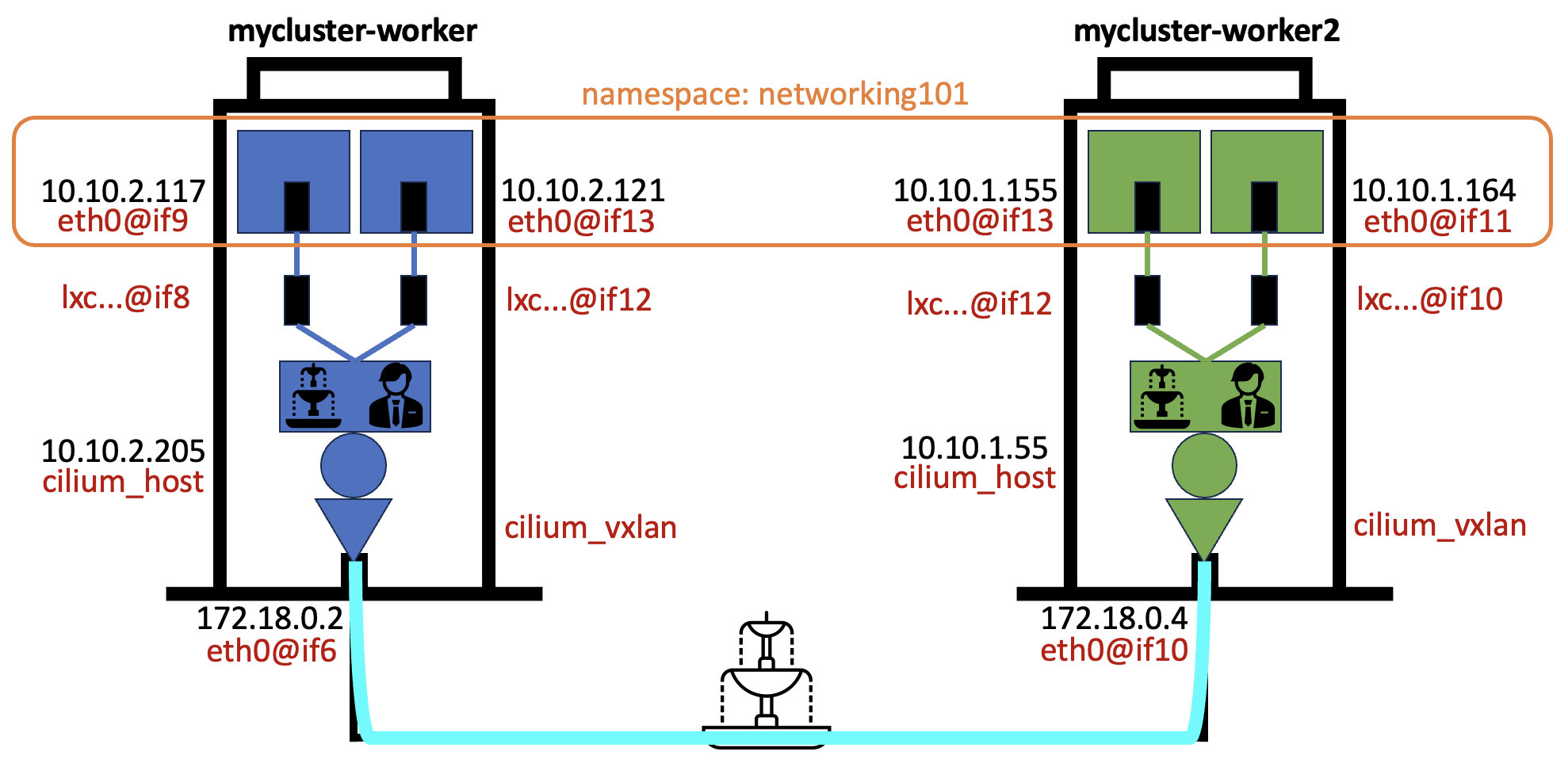
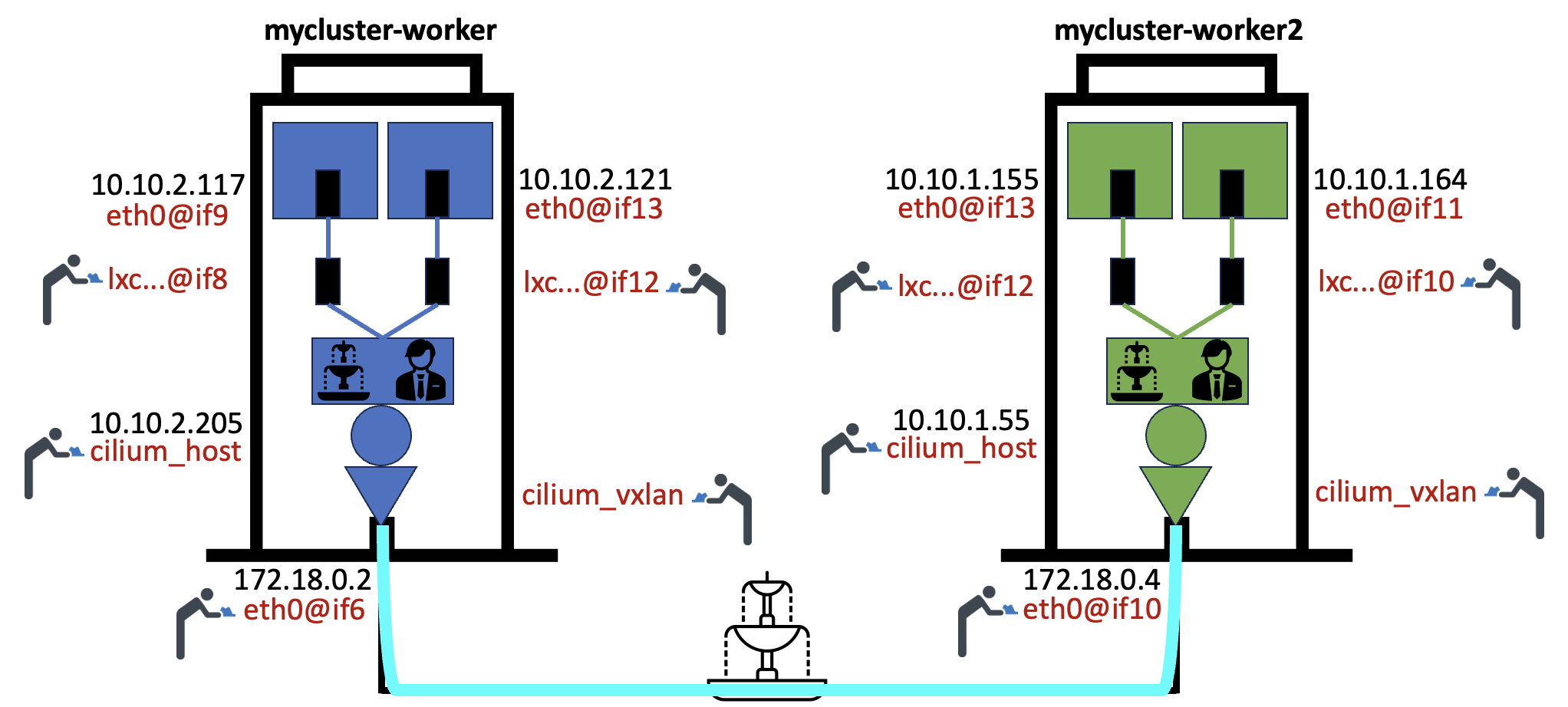
If you are new or uneasy with networking in Kubernetes, you may benefit from my previous blog for beginner level. In this blog post I will show you in a Kubernetes cluster what a building and its networking components look like. As a reminder, below is the picture I drew in my previous blog to illustrate the networking in a…
There seems to be a strong interest these days about understanding better networking in Kubernetes. This blog post is my contribution on this topic. I’ll do my best to explain it in a visual way and translate the techie part to an understandable language so that anybody can actually enjoy it. The best way to learn networking is by doing…
When thinking of containers, Cloud Native Storage topic shines like an evidence. You have to handle this topic with care as it will carry your workload and configuration. This blog will be the first of a series talking about CNS and usage.I will try to cover as many aspects as possible and clear up the CNCF situation when you start…
Introduction I came across a situation where there were no more Administrator users in Rancher. Therefore there was no access to the local (Rancher) cluster and administration of Rancher through the UI. No user could configure and reassign the Administrator role. I will show you how to retrieve the Administrator role for your Rancher users. Solution The current default admin…
This third blog describe the steps to do once your cluster is initialized and in ready state. In case you missed the first 2 blogs you can find them here and there. Ok, now from our jump server, we need to configure our Tanzu managed cluster with base tools then we’ll configure tools regarding our licence (Tanzu Kubernetes Standard Edition).…
I’m on a mission to tackle scary topics around DevOps these days! In my 2 previous blog posts (Part 1 and Part 2) I’ve tried to demystified the DevOps word (and world!) by describing what it actually is with a simple example. But there is an even scarier topic (true story!), which is… deploying a database in Kubernetes! Database is…