Skip to content

Docker

Databases and application servers in Docker containers: building images, Docker Compose, networking, volumes and what to consider before running stateful workloads in containers.

Create and manage Ansible Execution Environments

by Alexandre Nestor Introduction What is an Ansible Execution Environnement, by the way ? As per RedHat definition an Ansible Execution Environment (EE) is a standard way to build and distribute the environment that automation runs in, which reduces complexity and makes it faster and simpler to develop and deploy automation. More simple, an EE is a container, by default… 

Exploration of Calico in Minikube

If you are interested to learn Calico locally on your machine, it is possible to use it with Minikube. Minikube is a tool that sets up a Kubernetes environment on your local machine. It works on Windows, MacOS and Linux and it is very easy to install. Have a look at the kubernetes documentation for the installation instructions: https://minikube.sigs.k8s.io/docs/start/ Calico is… 

Run 2 specific GitLab Runners in local containers for CI/CD Pipeline

By testing GitLab CI/CD pipeline on my free SaaS GitLab account, I’ve explored the setup of specific GitLab Runner in containers on my local machine. For those who don’t want to use the shared runners of GitLab (it’s free but you still have to share your credit card details with GitLab!) or just want to do some tests and keep… 

Using Docker containers for Ansible testing

I’d like to share in this post a quick setup using Docker containers for Ansible testing. I wanted to create a small lab for my Ansible scripts testing. The natural option that came to my mind was to create some virtual machines with Virtualbox using Vagrant in order to automate that process. However as I’m using a Macbook with a… 

Docker – Docker for Windows 10 installation

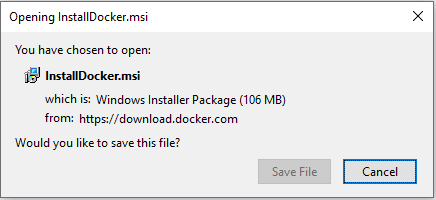
Hi team! For some purposes I had to install Docker on my Windows lab, I know my colleagues are used to install it on Linux , but what about Windows?So let’s take a look on it! Prerequisites: a Windows 10 machine 🙂 check if virtualization is enabled on your machine ( using ctrl alt del combo) note:if you have Virtual… 

Managing Ansible with AWX – Part I – Installation on Minikube

AWX is a web based GUI tool for managing Ansible playbooks. It is the open source upstream project of Red Hat Automation Controller (formerly Ansible Tower) . As for Fedora and RHEL operating systems, the releases of Automation Controller are created from a branch of AWX, which sponsored is by Red Hat. AWX provides user interface, REST API and task… 

Deploy a Kubernetes cluster using Ansible in AWS

After more than 2 years of experience in Kubernetes cluster administration, I am deeply convinced that one of the most important things to have as an ops guy is a sandbox cluster at your disposal. This can be either a sleeping cluster or a new fresh installation with all your standards replicated on it to perform your series of tests.… 

Rancher installation on RHEL 8 compatible Linux

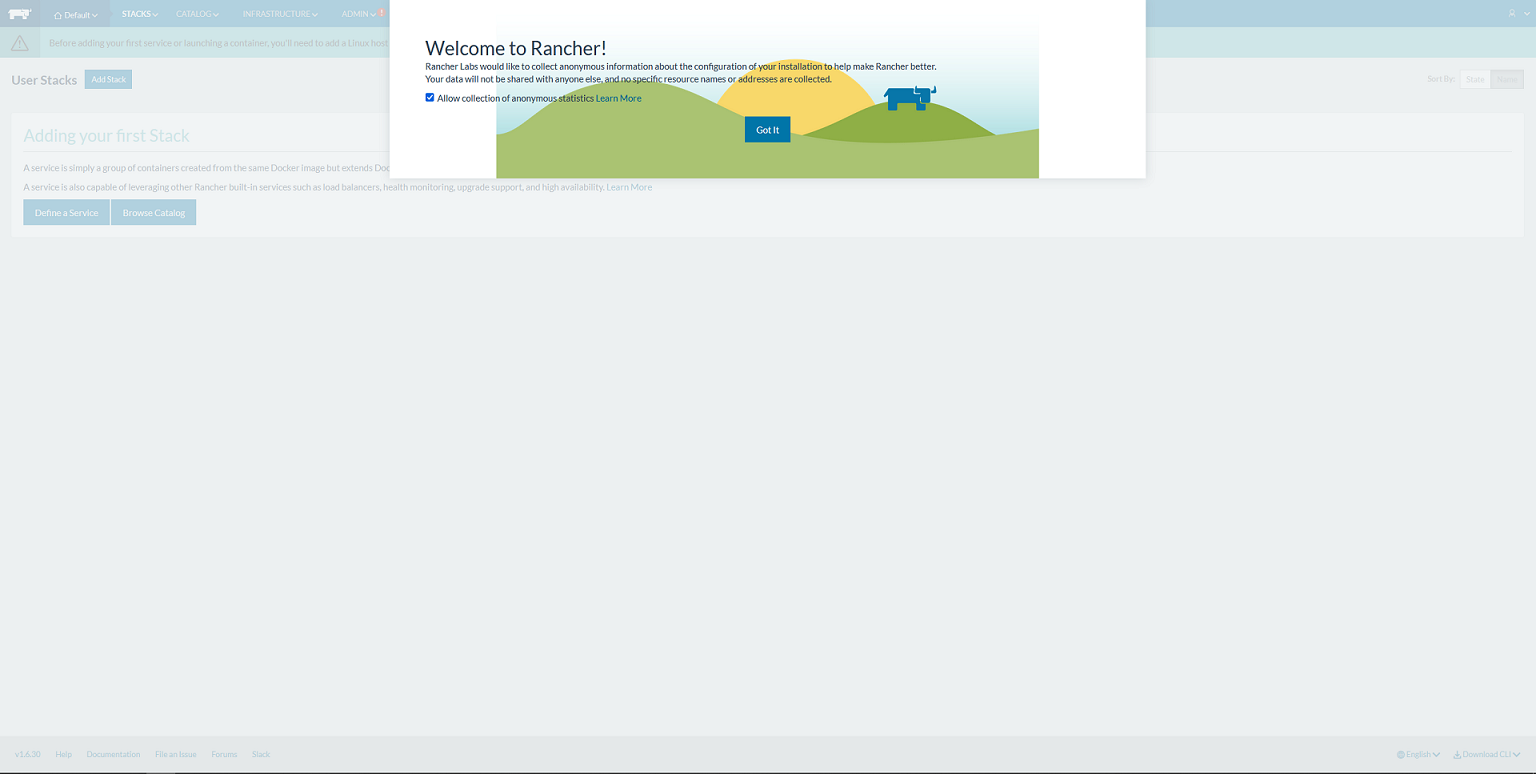
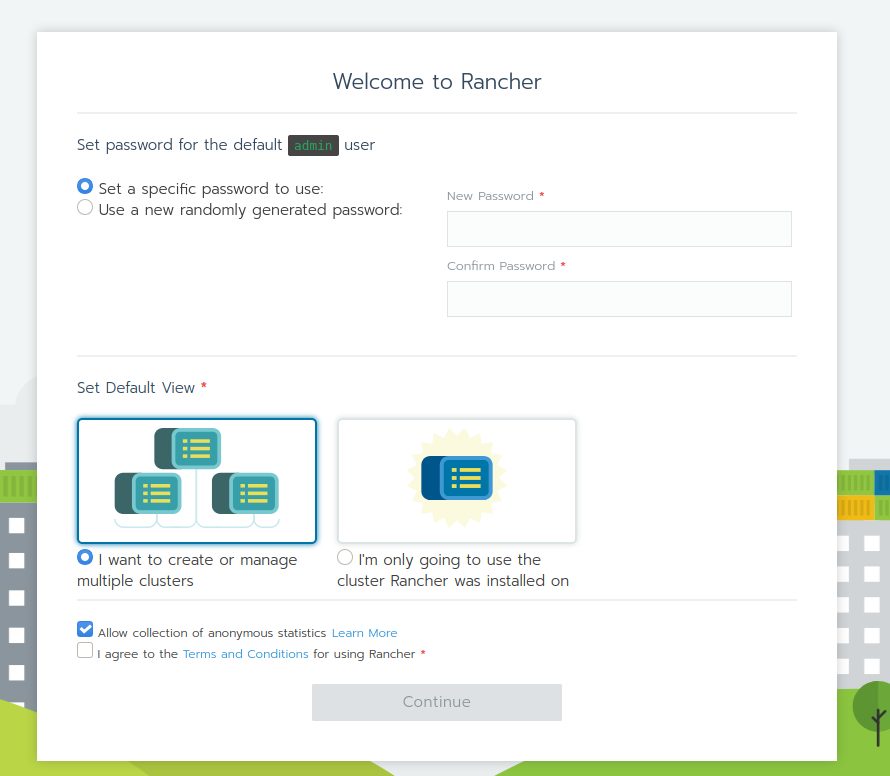
This Blog is about the installation of Rancher Community on a RHEL 8 compatible Linux, for this Blog i choose AlmaLinux 8.4, but i will also work on Rocky Linux 8.4 Release Candidate. Base is an AlmaLinux / Rocky Linux minimal installation on a VMWare Host for all nodes, using the same configuration with 4vCPU and 4GB RAM. A small… 

Deploying a Kubernetes cluster on EC2 with Rancher

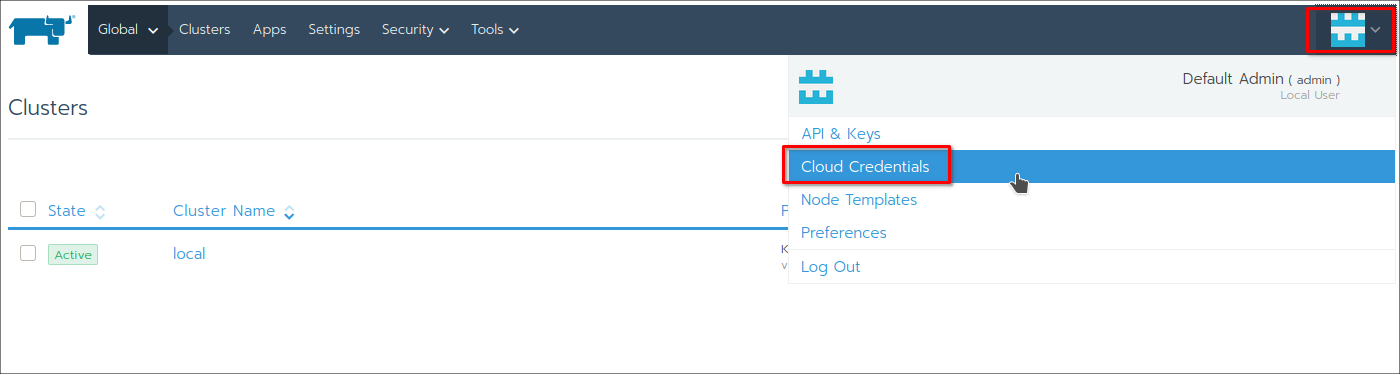
Once Rancher is up and running, it makes the deployment and management of Kubernetes clusters quite easy. In this post we’ll deploy a brand new cluster on top of EC2. If you want to have a simple and quick Rancher playground you can follow this post, which will give you a Rancher setup on SLES 15. If you want to… 

Rancher on SLES 15 as a demo environment

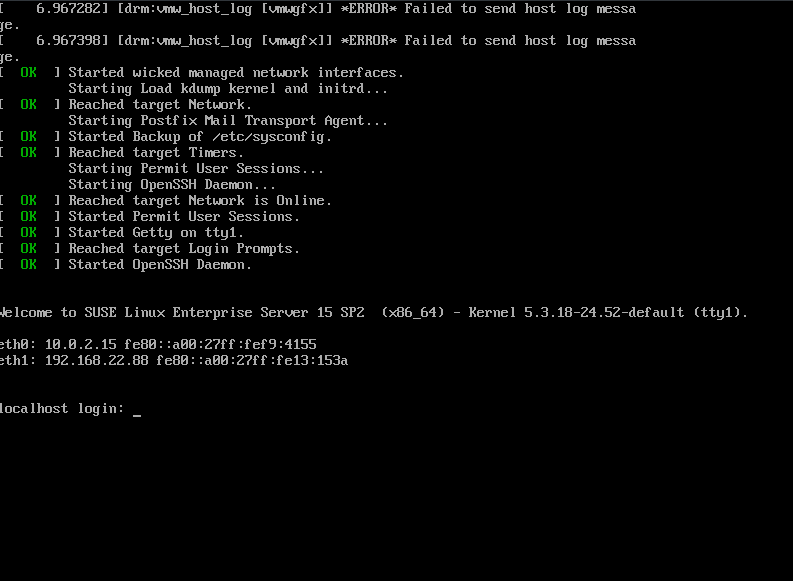
If you followed the last posts (Rancher, up and running, on EC2 – 1 – One node, Rancher, up and running, on EC2 – 2 – Three nodes and Rancher, up and running, on EC2 – 3 – Rancher setup) about Rancher, you know how to setup Rancher in a highly available RKE cluster. While this is the way to… 

Rancher, up and running, on EC2 – 3 – Rancher setup

The is the next post in this little Rancher series. After we installed a single node RKE cluster and extended this configurtation to three nodes we will finally install Rancher in this post. As Rancher is installed with Helm we need to install that first: rancher@rancher1:~$ wget https://get.helm.sh/helm-v3.5.2-linux-amd64.tar.gz rancher@rancher1:~$ tar axf helm-v3.5.2-linux-amd64.tar.gz rancher@rancher1:~$ sudo mv linux-amd64/helm /usr/local/bin/ rancher@rancher1:~$ sudo chown… 

Rancher, up and running, on EC2 – 2 – Three nodes

In the last post we’ve brought up a RKE Kubernetes cluster on a single node. While that is cool for demonstration purposes or testing, this is nothing for a real life setup. Running the control pane, the etcd nodes and the worker nodes all on one node, is nothing you want to do usually, as you can not guarantee fault…