Skip to content

Cloud

Moving databases and applications to AWS, Microsoft Azure or Oracle Cloud Infrastructure raises practical questions about architecture, migration, managed services, licensing and cost. Our consultants answer them with what actually worked on customer projects.

AWS re:invent 2018 – Day 2

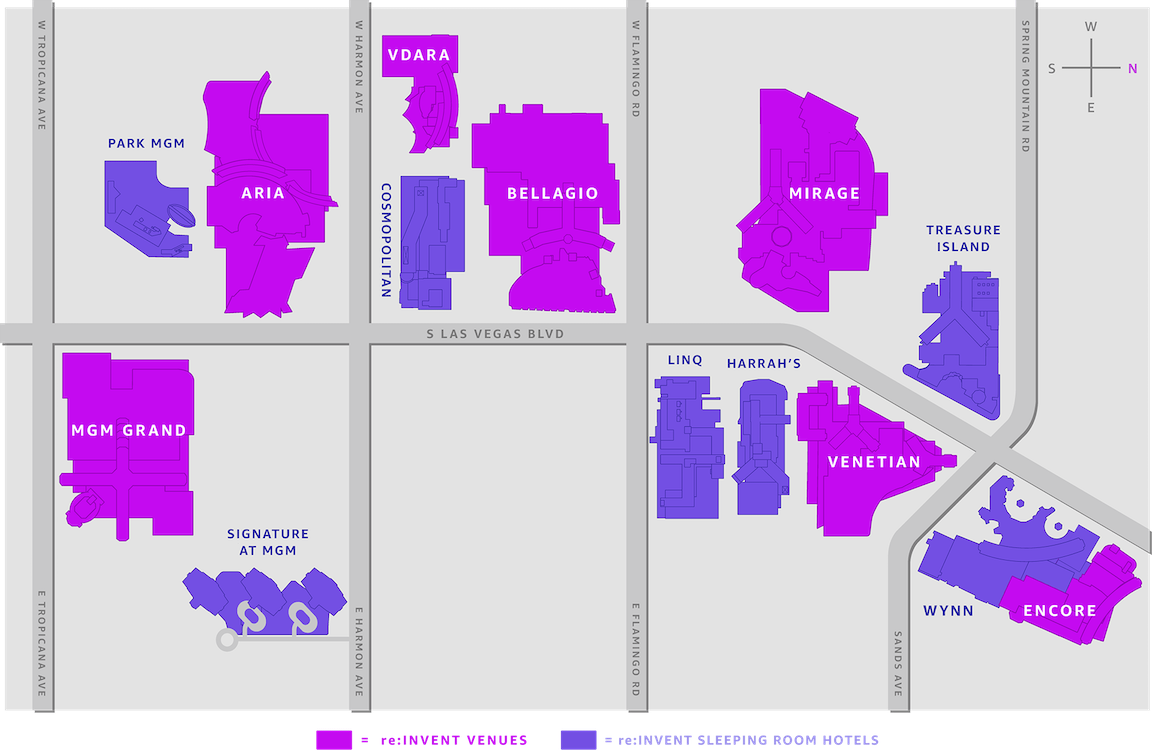
Second day in Las Vegas for the AWS re:Invent conference. It was time to travel a little bit around the campus to attend some sessions at the Aria. The planning was still around databases and a bit AWS knowledge. The shuttle service worked perfectly in both directions with a reasonable time travel between the 2 hotels. But with such time… 
AWS re:invent 2018 – Day 1

Yesterday was my first day at AWS re:Invent conference. The venue is quite impressive, the conference is split between 6 hotels where you can attend different types of sessions including chalk talk, keynotes, hands-on labs or workshop. For my first day, I stayed in the same area in The Venetian to make it easy. The walking distance is quite big between… 

AWS re:invent 2018 warm up

The Cloud is now part of our job so we have to get a deeper look on the available services to understand and take best advantage of them. The annual AWS conference re:invent has started tonight in The Venetian at Las Vegas and will last until Friday. Today was a bit special because there were no sessions yet but instead I… 

Pass summit – day 4

Optimizing Multi-Billion Row Tables in Tabular in 2018   I wanted to attend the session moderated by Marco Russo to see his approach of optimizing performance in Tabular model The first thing to understand is how the data is stored and organized in a Tabular model. It is of course using the xVelocity in-memory capabilities with the Vertipac column storage… 

Pass summit – dbi visit day 3

The Microsoft data platform is evolving The third day began with the Keynote help by Rohan Kumar the Corporate Vice President of Azure Data by Microsoft The main message was “Hybrid data platform is the way for the future” and Microsoft is working in this direction. The use of AI and analytic to transform the customer business is also a… 

Pass summit – dbi visit day 1

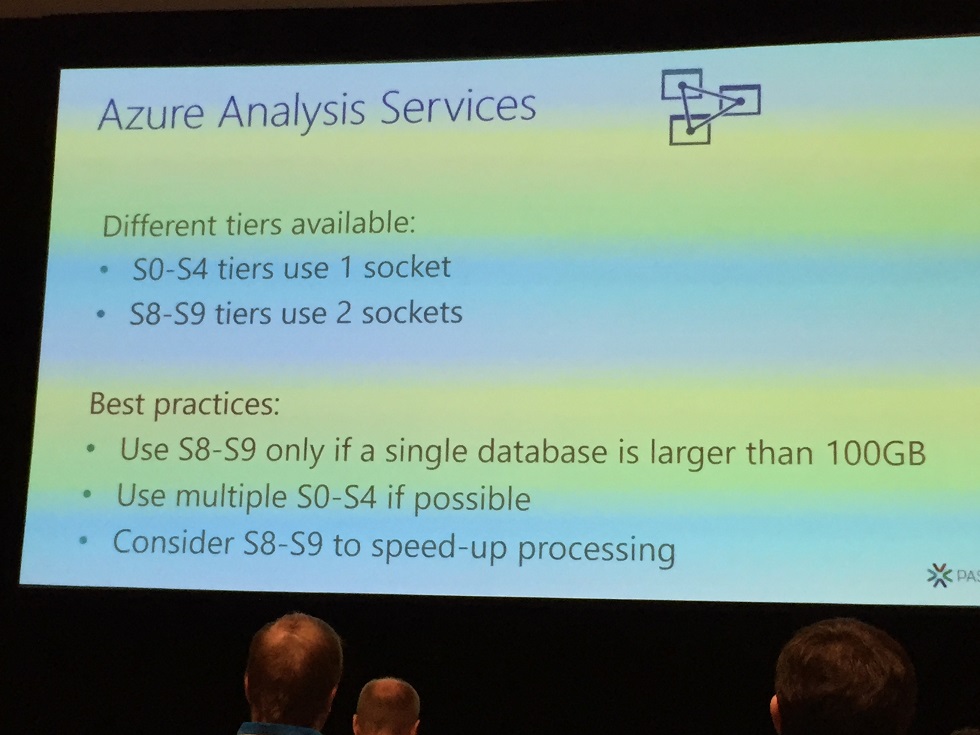
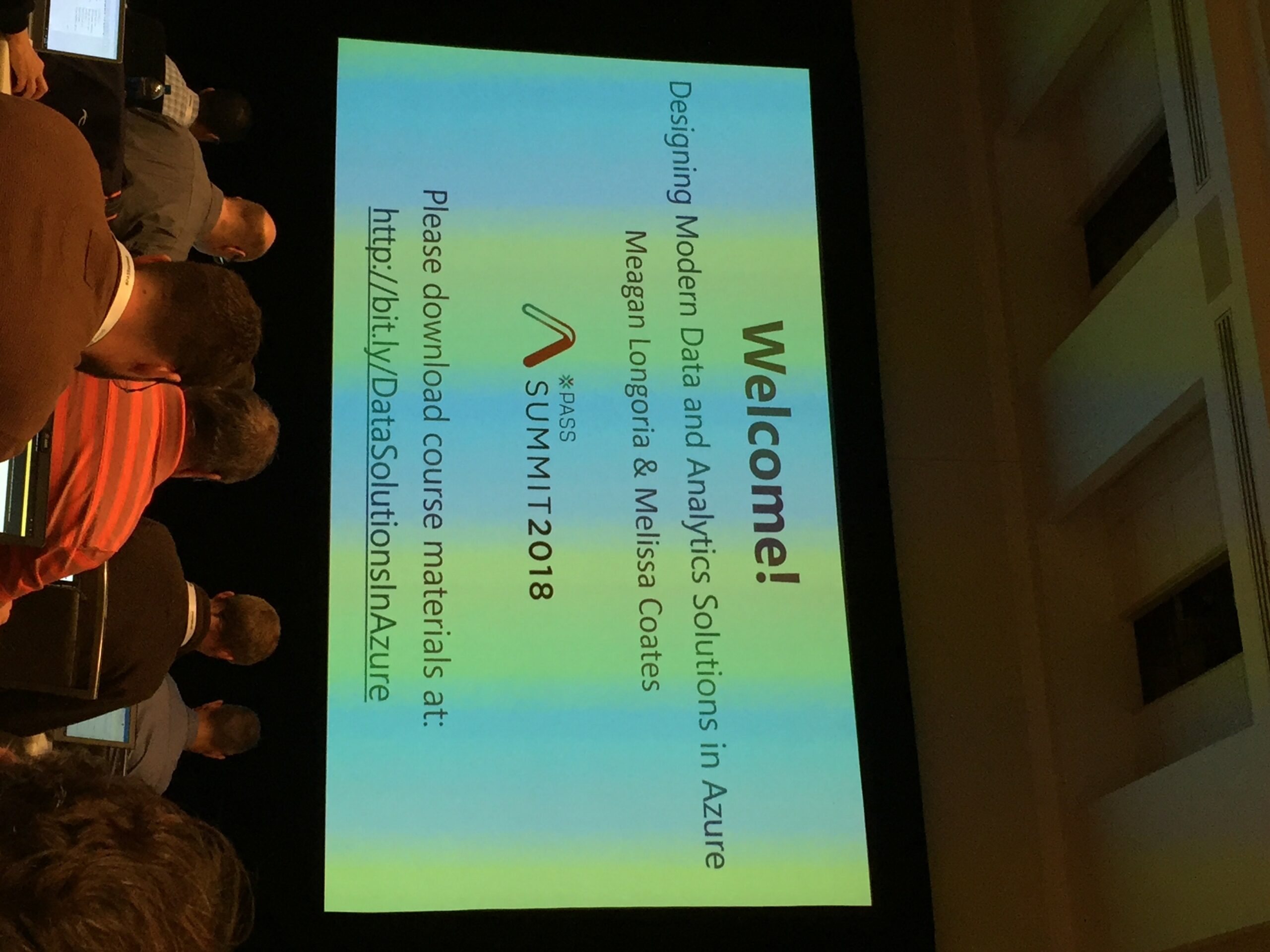
Designing Modern Data and Analytic Solution in Azure After having explained the pros and cons of Azure and the decision drivers for going to an Azure Architecture, some interesting messages were delivered like the decoupling of the storage and compute aspect on Azure, even if some of services still combine both. Another message that we all know but is essential… 

First steps into SQL Server 2019 availability groups on K8s

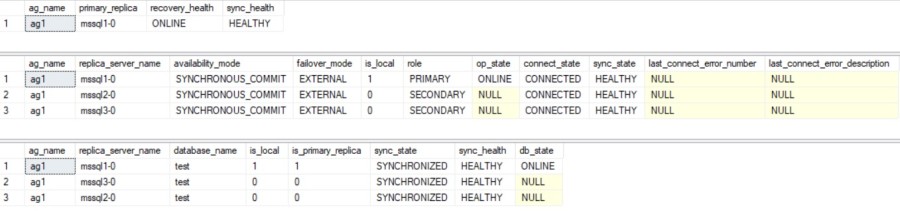
A couple of weeks ago, Microsoft announced the first public CTP version of next SQL Server version (CTP2). It is not a surprise, the SQL Server vNext becomes SQL Server 2019 and there are a plenty of enhancements as well as new features to discover. But for now, let’s start with likely one of my favorites: availability groups on Kurbernetes (aka… 

Adding a timeout in monitoring probes

A few months ago day, as I was writing the documentation for a monitoring probe, I suddenly realized that that probe, along with others I wrote during that time to monitor Documentum installations, had all a big, unexpected flaw. Indeed, it struck me that if it hang for some reason while running, it could stay there well after the next… 

Configure AFD with Grid Infrastructure software (SIHA & CRS) from very beginning.

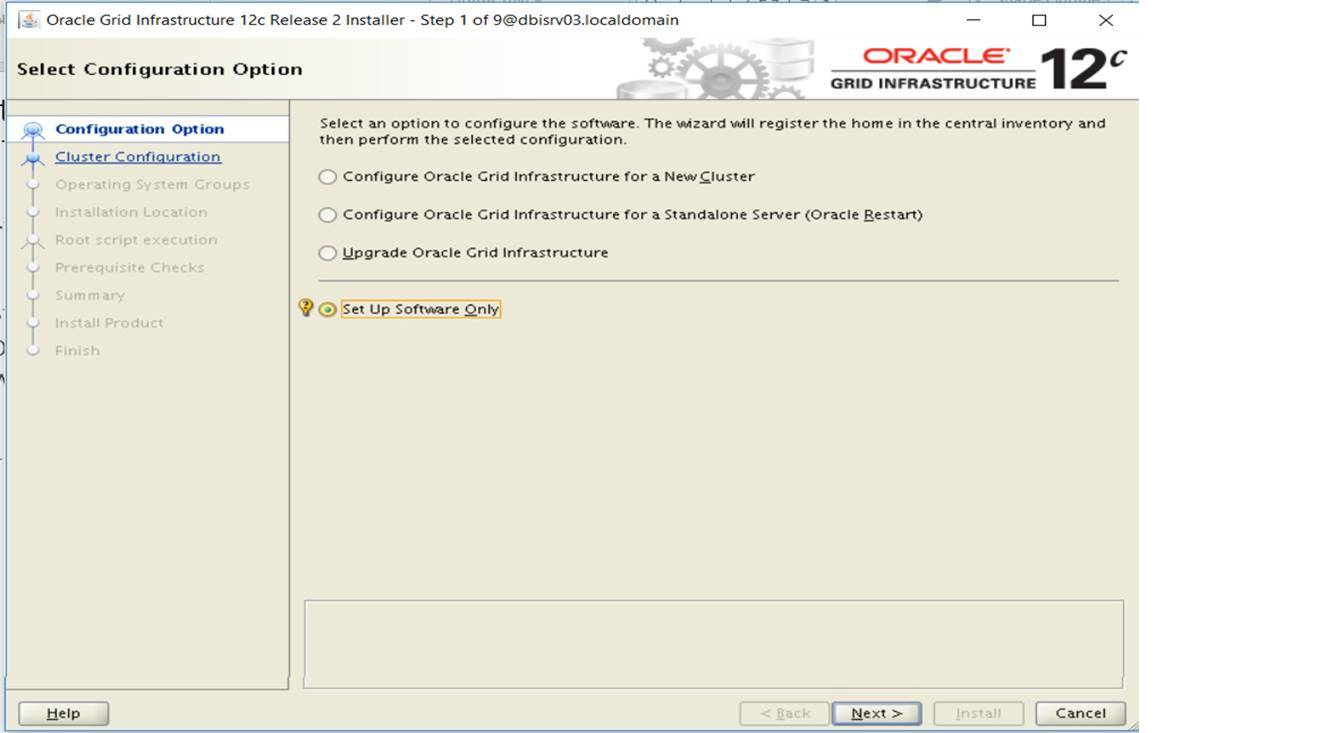
Introduction : Oracle ASM Filter Driver (Oracle ASMFD) simplifies the configuration and management of disk devices by eliminating the need to rebind disk devices used with Oracle ASM each time the system is restarted. Oracle ASM Filter Driver (Oracle ASMFD) is a kernel module that resides in the I/O path of the Oracle ASM disks. Oracle ASM uses the filter… 

ATP vs ADW – the Autonomous Database lockdown profiles

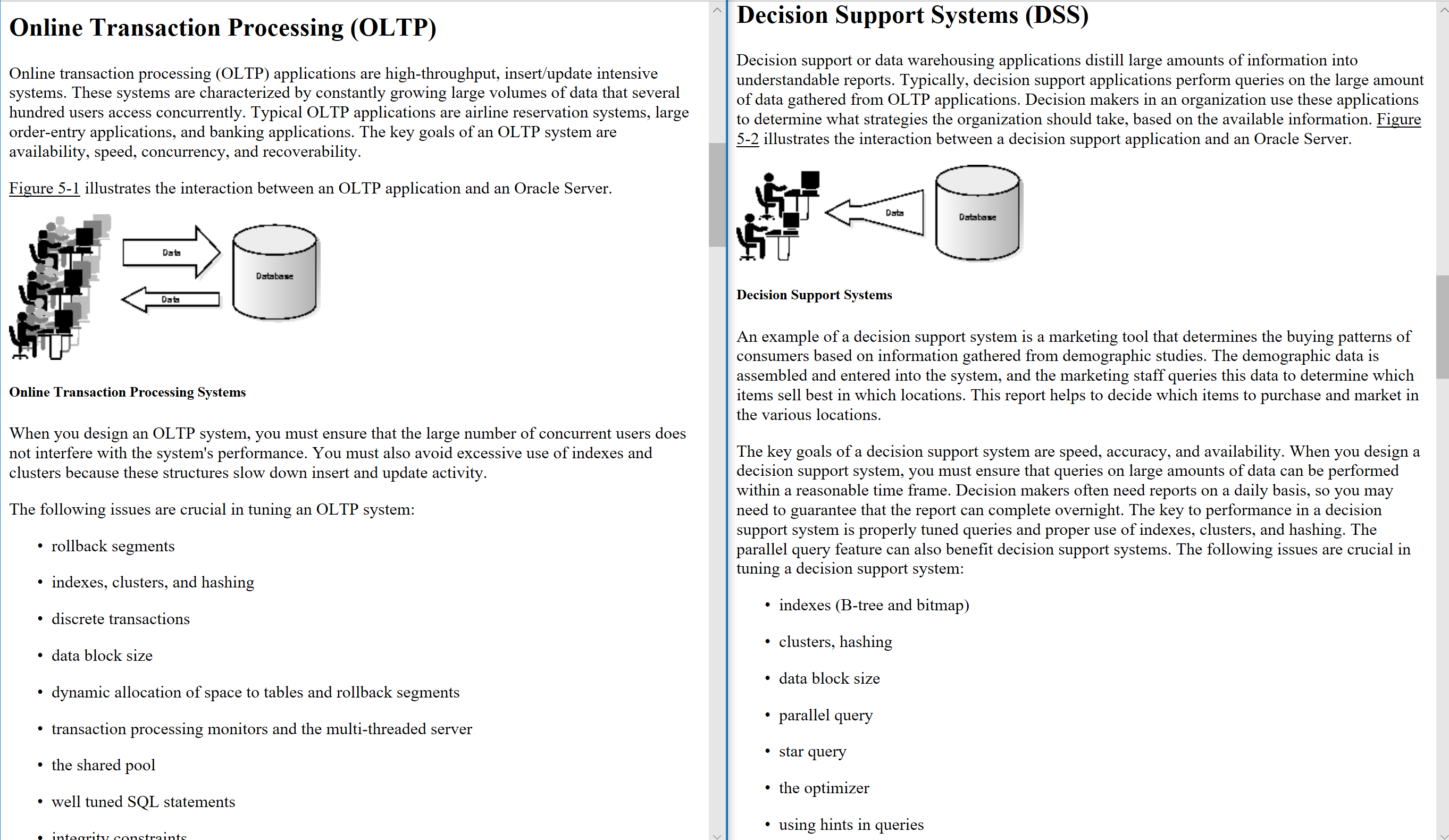
By Franck Pachot . The Oracle database has always distinguished two types of workloads: transactional (OLTP) and datawarehouse (VLDB, DWH, DSS, BI, analytics). There is the same idea in the managed Oracle Cloud with two autonomous database services. To show how this is old, here is how they were defined in the Oracle7 Tuning Book: The definition has not changed… 

Google Cloud Spanner – inserting data

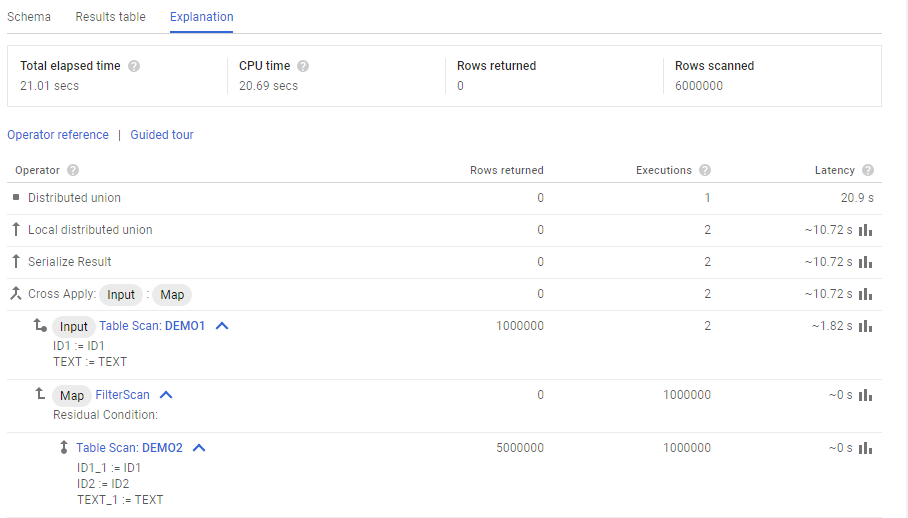
By Franck Pachot . In a previous post I’ve created a Google Cloud Spanner database and inserted a few rows from the GUI. This is definitely not a solution fo many rows and here is a post about using the command line. If I start the Google Shell from the icon on the Spanner page for my project, everything is… 

Google Cloud Spanner – no decimal numeric data types

By Franck Pachot . Google Cloud Spanner is a distributed relational database focused on scalability without compromising consistency and integrity. It is available only as a managed service in Google Cloud. Basically, the idea is to keep the scalability advantages of NoSQL database (like Bigtable) but adding transactions, relational tables, SQL, structured data,… as in the relational databases we love…