Skip to content

NoSQL

When a relational database is not the right tool: document, key-value and graph stores, how they are operated, how to model data for them and when they belong next to a relational engine.

Redis : Install Redis on Windows 10 by using WSL

Introduction Hi Team Here we go again , last time we have seen how to install Redis on Windows 10 using Redis binaries , let’s see the 2nd method I used to install Redis on my machine and of course how to link it to RedisInsight. For that we will install a Linux/Unix from Microsoft store.I have selected openSUSE OS… 

Redis : Redis installation on Windows 10 : 1st method

Introduction Hi Team As you know Redis is an open source, in-memory data store used by millions of developers as a database, cache, streaming engine, and message broker. Such a pretty cool tool , so what could be better than being able to install it on your Windows machine?:) ( I know ,I know : having it on a Linux… 

A generic jdbc tester (part III)

A generic utility to test JDBC connections to any RDBMS or no SQL data source whose JDBC drivers are provided. Firebird, SQL Server, HSQLDB, MongoDB, Excel, conclusion.

REDIS STREAMS: Set up training lab for Windows using Docker

What is Redis streams?? (Definition from Redis.io ) A Redis stream is a data structure that acts like an append-only log. You can use streams to record and simultaneously syndicate events in real time. Examples of Redis stream use cases include: Redis generates a unique ID for each stream entry. You can use these IDs to retrieve their associated entries… 

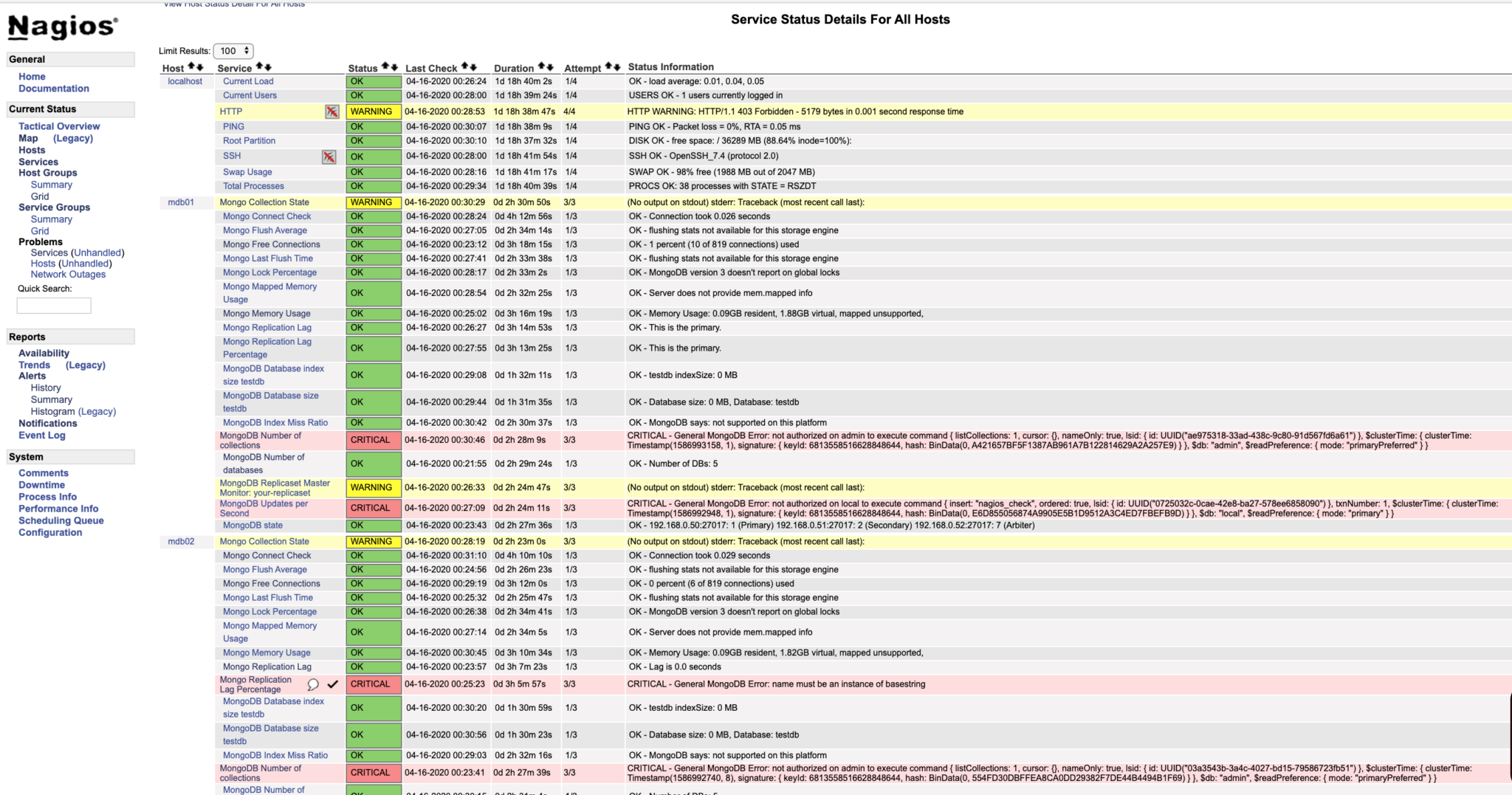
MongoDB Monitoring using Nagios

The question comes frequently: How can I monitor my MongoDB cluster (ReplicaSet or Sharded) in a production environment? To answer this question we need first to get an overview of all potential monitoring solutions, and then compare them one by one. That’s exactly what we gonna do in this blog post series of MongoDB Monitoring solutions. Actually, a few monitoring… 

See you on Polywork (an new LinkedIn?)

By Franck Pachot . I have published 105 additional blog posts here since the 500th one https://www.dbi-services.com/blog/rollback-to-savepoint/ that I have written on my come back to dbi-services. On Oracle Database, of course, other databases as well, on clouds (OCI and AWS mainly, with a look at GCP and Azure). But also with some thoughts on the rise of the “scale-out”… 

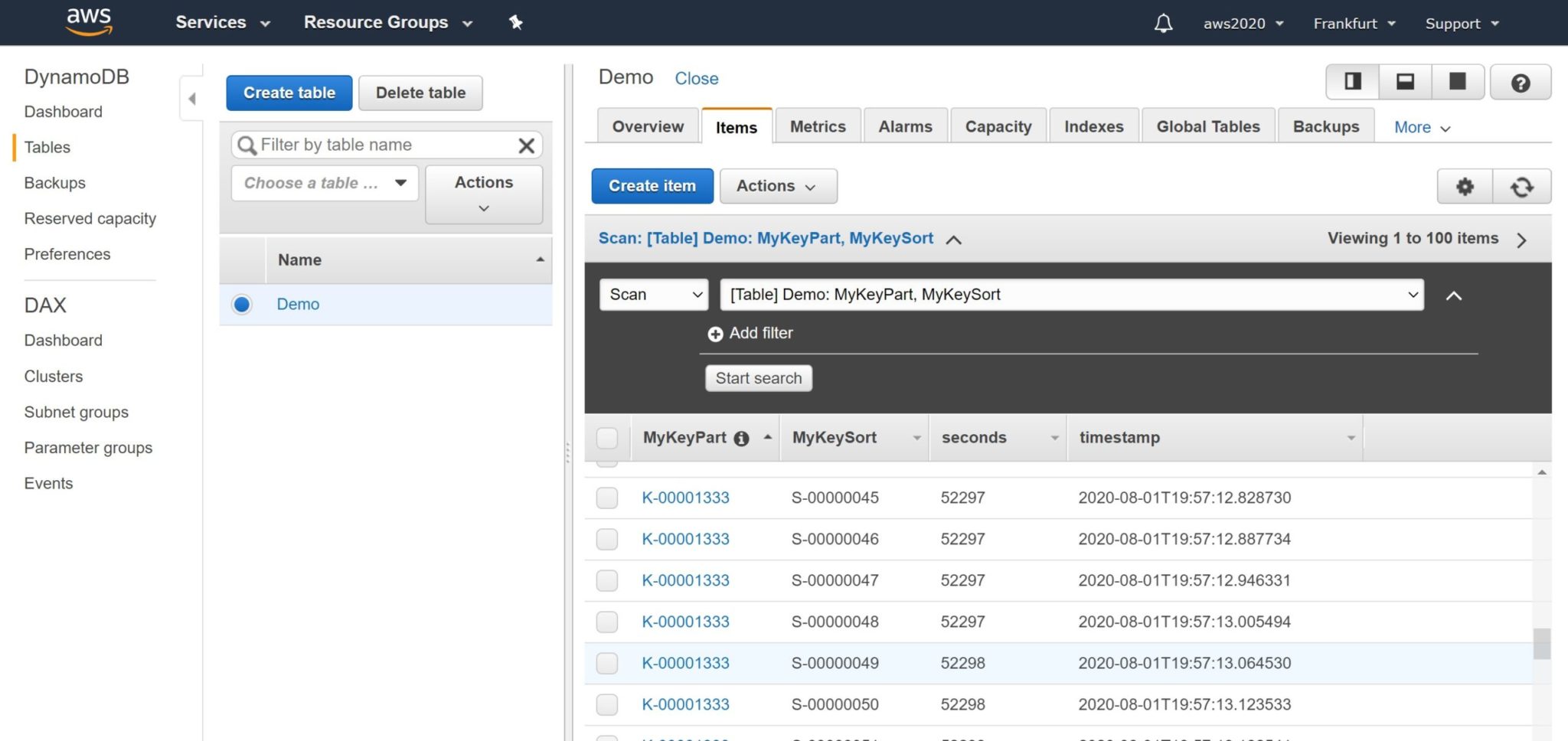
DynamoDB Scan: the most efficient operation 😉

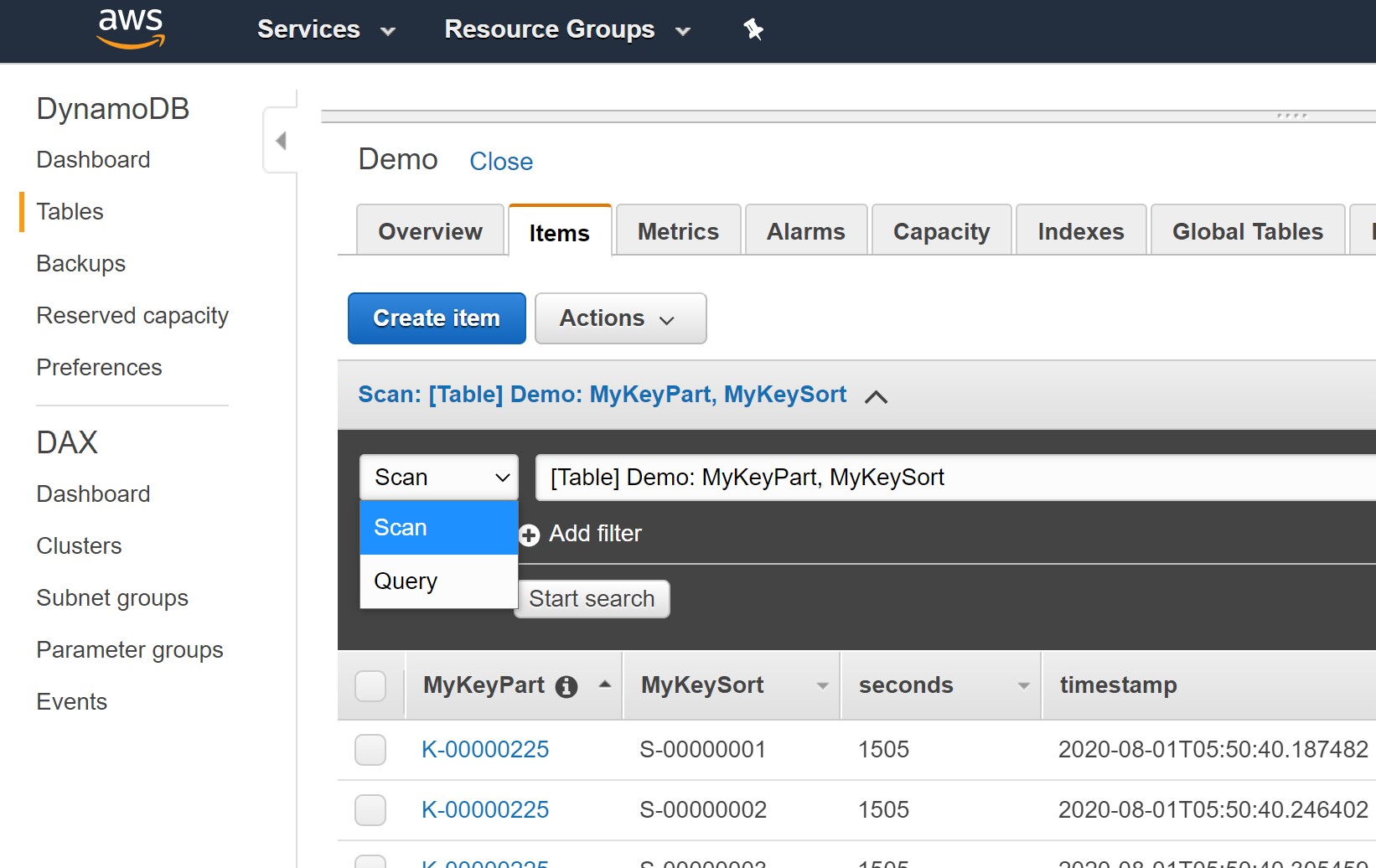
By Franck Pachot . The title is provocative on purpose because you can read in many places that you should avoid scans, and that Scan operations are less efficient than other operations in DynamoDB. I think that there is a risk, reading those message without understanding what is behind, that people will actually avoid Scans and replace them by something… 

NoSQL and SQL: key-value access always scale

By Franck Pachot . I have written about some NoSQL myths in previous posts (here and here) and I got some feedback from people mentioning that the test case was on relatively small data. This is true. In order to understand how it works, we need to explain and trace the execution, and that is easier on a small test… 

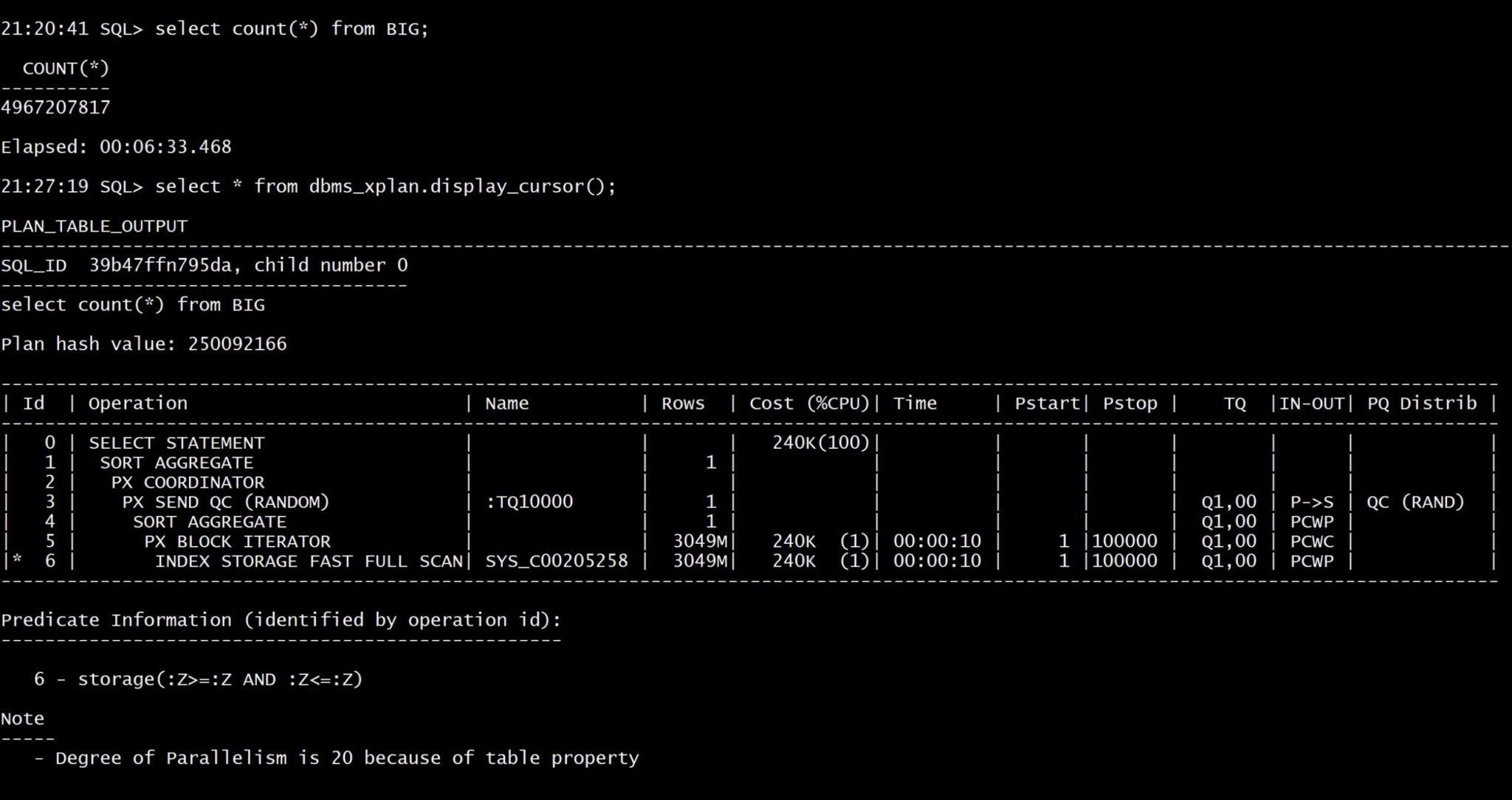
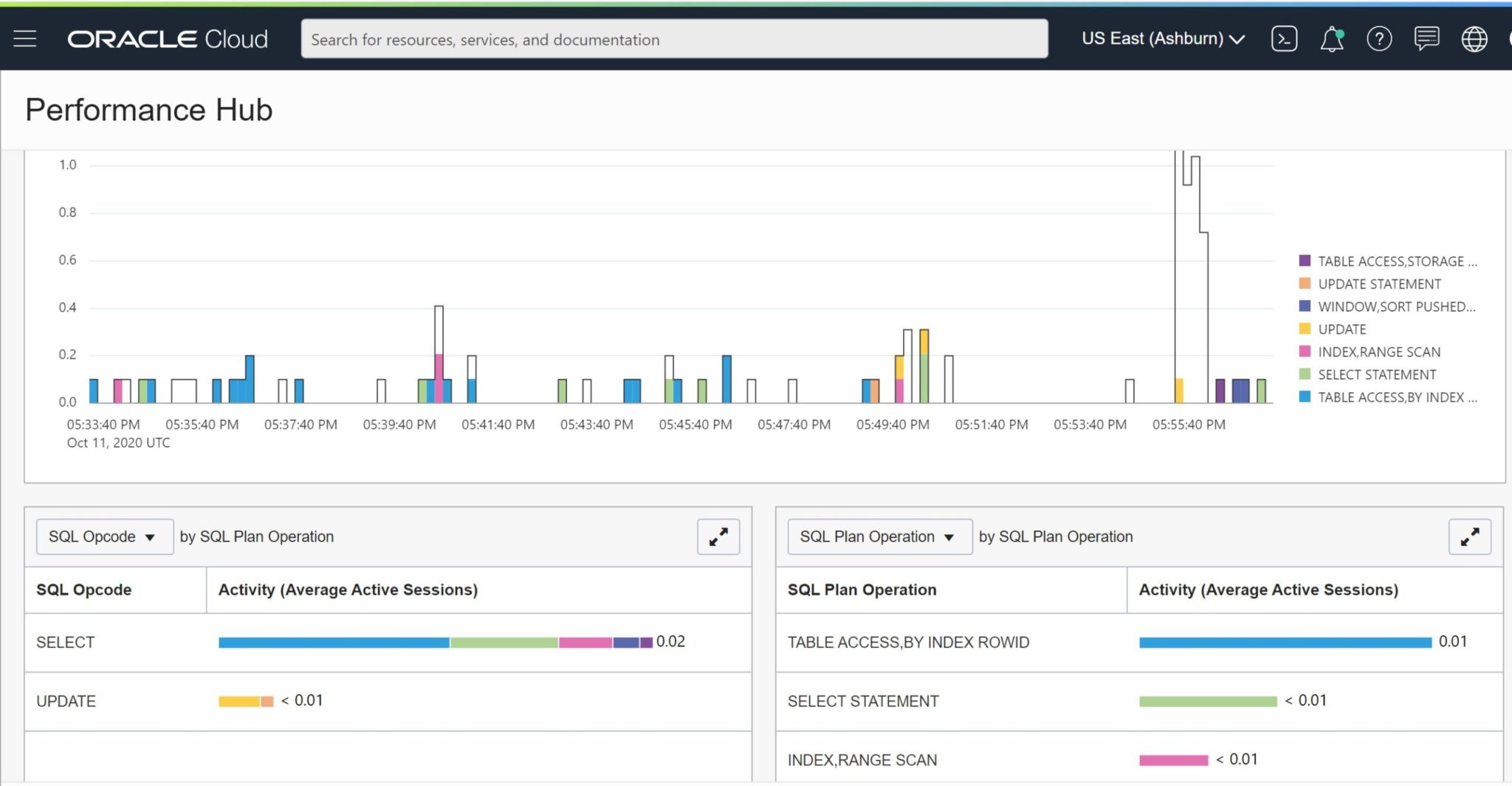
YCSB (NoSQL benchmark) on Oracle Database

By Franck Pachot . The NoSQL technologies emerged for Big Data workloads where eventual consistency is acceptable and scaling out to multiple server nodes is an easy answer to increase throughput. With cloud services rising, those key-value document datastores started to be used by the web-scale companies for some transactional processing workloads as well. The solutions can provide high performance… 

Amazon DynamoDB: the cost of indexes

By Franck Pachot . That’s common to any data structure, whether it is RDBMS or NoSQL, indexes are good to accelerate reads but slow the writes. This post explains the consequences of adding indexes in DynamoDB. Secondary Indexes What we call an index in DynamoDB is different from an index in RDBMS. They have the same goal: store your data… 

RDBMS (vs. NoSQL) scales the algorithm before the hardware

By Franck Pachot . In The myth of NoSQL (vs. RDBMS) “joins dont scale” I explained that joins actually scale very well with an O(logN) on the input tables size, thanks to B*Tree index access, and can even be bounded by hash partitioning with local index, like in DynamoDB single-table design. Jonathan Lewis added a comment that, given the name… 

A lesson from NoSQL (vs. RDBMS): listen to your users

By Franck Pachot . I have written a few blog posts about some NoSQL (vs. RDBMS) myths (“joins dont scale”, “agility: adding attributes” and “simpler API to bound resources”). And I’ll continue on other points that are claimed by some NoSQL vendors and are, in my opinion, misleading by lack of knowledge and facts about RDBMS databases. But here I’m… 

DynamoDB Simple API