Skip to content

Cloud

Moving databases and applications to AWS, Microsoft Azure or Oracle Cloud Infrastructure raises practical questions about architecture, migration, managed services, licensing and cost. Our consultants answer them with what actually worked on customer projects.

Deploy a Kubernetes cluster using Ansible in AWS

After more than 2 years of experience in Kubernetes cluster administration, I am deeply convinced that one of the most important things to have as an ops guy is a sandbox cluster at your disposal. This can be either a sleeping cluster or a new fresh installation with all your standards replicated on it to perform your series of tests.… 

Reduce the complexity: be sharing and open source

By Franck Pachot . I thought that my last post on this blog was the previous one but I blog when it comes to my mind – nothing planned. And two things got me to write this. First, last week we got our 20th dbi xChange where we meet with colleagues. And I love discussing with colleagues about what we… 

See you on Polywork (an new LinkedIn?)

By Franck Pachot . I have published 105 additional blog posts here since the 500th one https://www.dbi-services.com/blog/rollback-to-savepoint/ that I have written on my come back to dbi-services. On Oracle Database, of course, other databases as well, on clouds (OCI and AWS mainly, with a look at GCP and Azure). But also with some thoughts on the rise of the “scale-out”… 

Cloud CLI

By Franck Pachot . Here is how to quickly install the CLI (Command Line Interface) for the following public clouds: Amazon, Google, Microsoft and Oracle. On Linux, I’m using wget but you can use curl. I’ll install all cloud command line interfaces into a $HOME/cloud directory and add an alias into $HOME/.bashrc if not already existing Amazon – AWS AWS… 

Amazon RDS Oracle in Multitenant

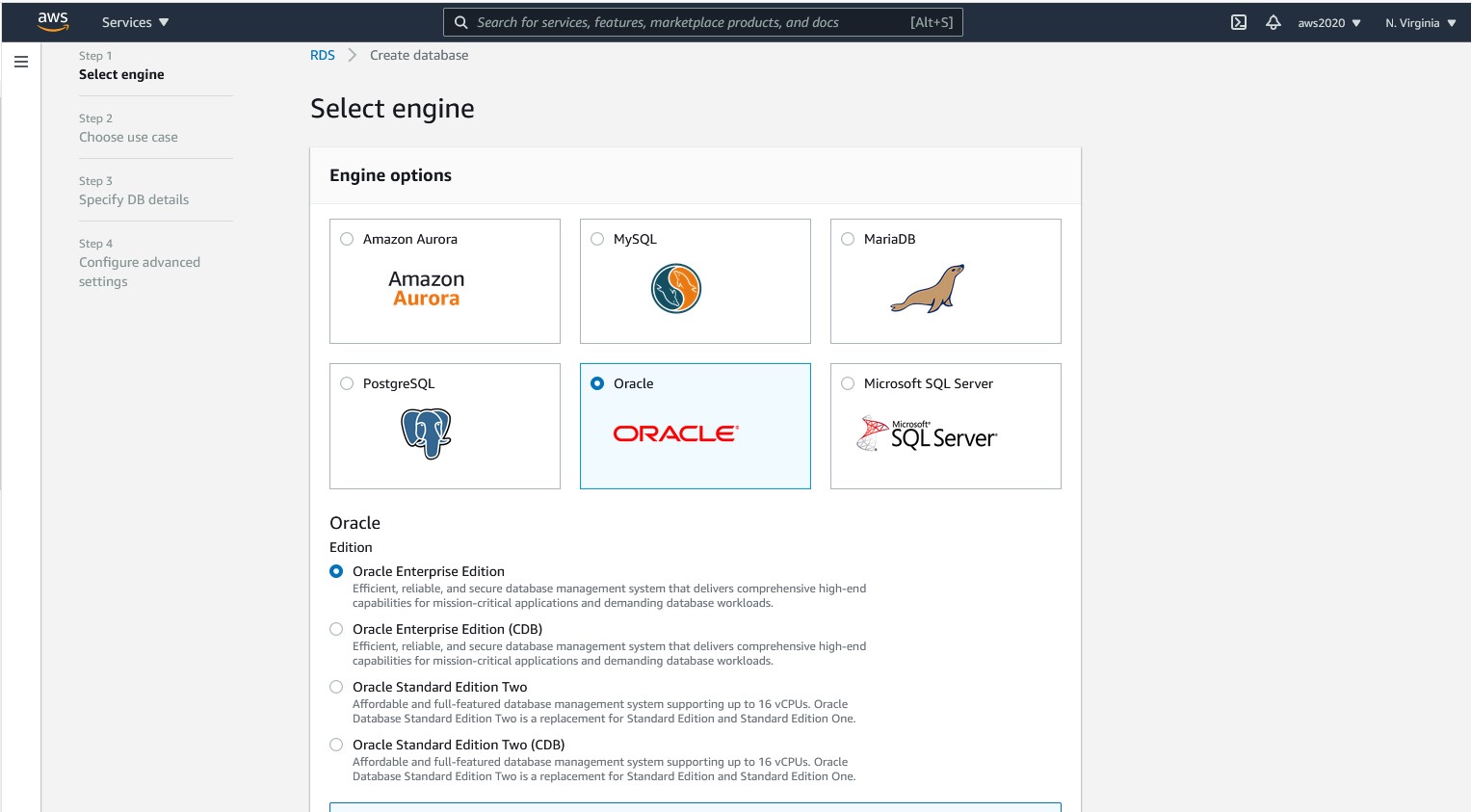
By Franck Pachot . AWS has just added the possibility to create your oracle Database as as CDB (Container Database), the “new” architecture of Oracle where an instance can manage multiple databases, adding a new level between the heavy instance and lightweight schema: At the time I’m writing this, I see it only in the “old” console (“original interface”) not… 

An always free 4 vCPU 3.0 GHz 24 GB RAM on OCI

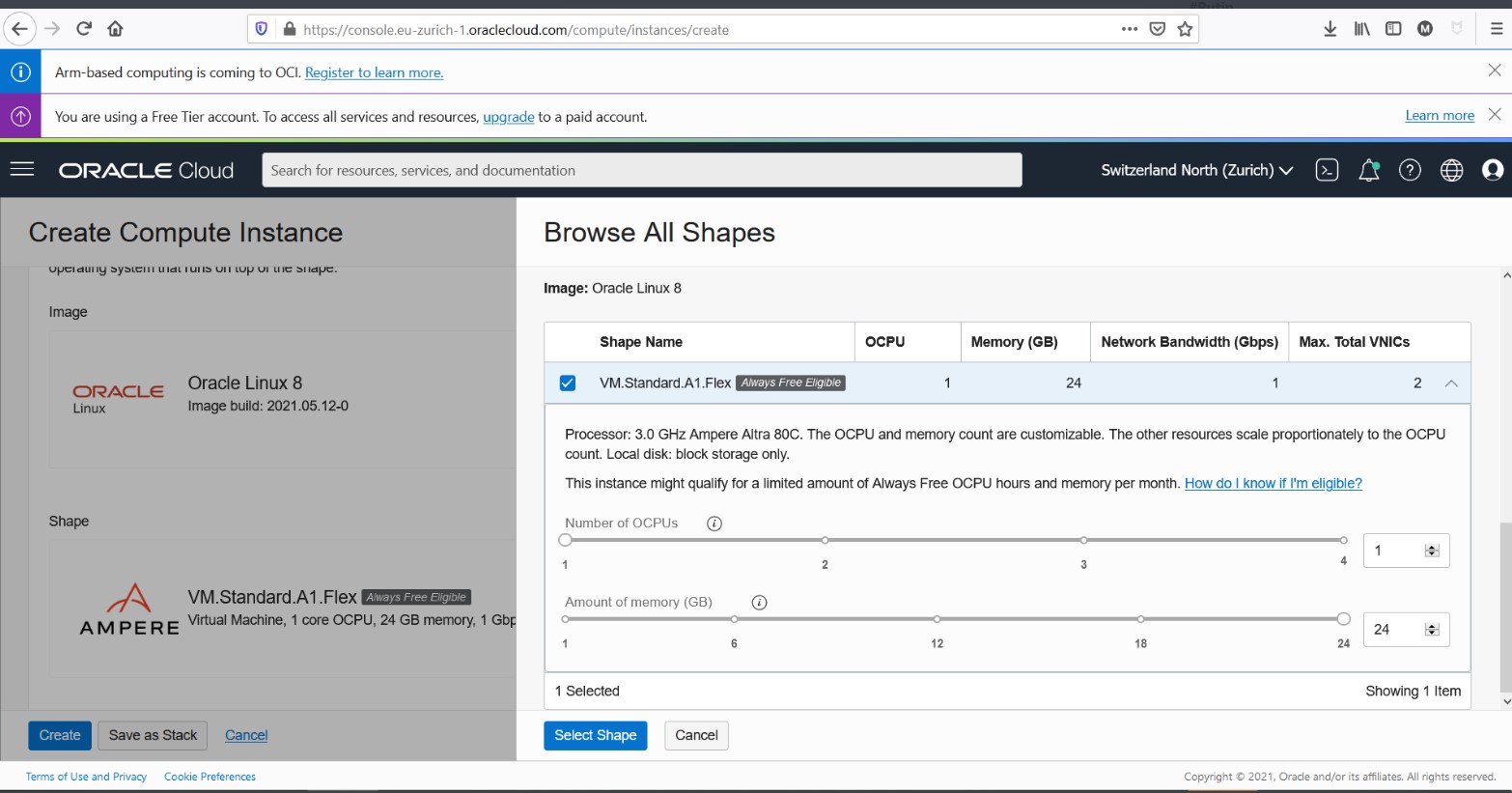
By Franck Pachot . Oracle Cloud free tier is already outstanding since OOW19 with two VMs and two databases that you can leave always running without any risk of being billed or seeing them stopped. I use them daily. And it goes to another level on May 25th with the announce of the ARM Ampere Altra 80 cores processor running… 

PostgreSQL on AWS Graviton2: CFLAGS

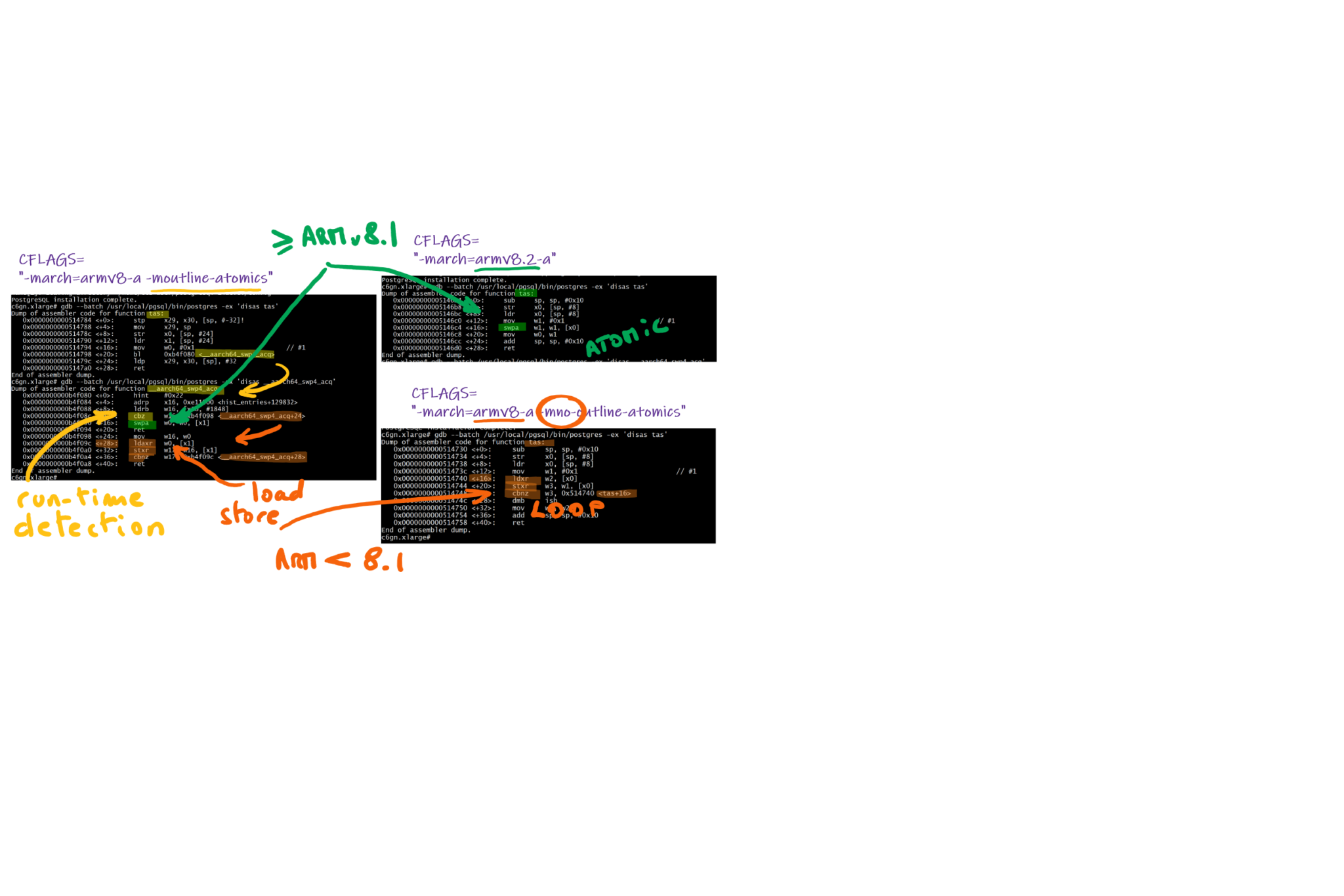
By Franck Pachot . In a previous post I’ve compiled PostgreSQL with GCC 7 and GCC 11 with the default options and checked that the ARM v8.2 features were used. However it may not be so simple: PostgreSQL ./configure defines gcc flags to produce a binary that is compatible with older versions of ARM. This means that it may not… 

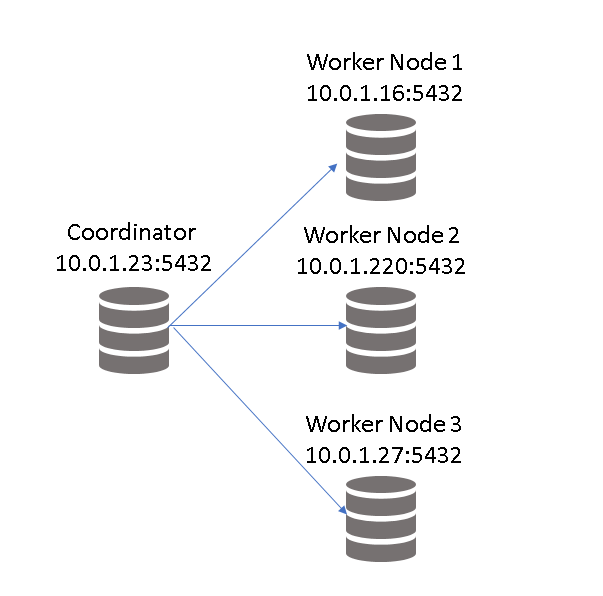
Getting started with Citus – Setting up a four node cluster

One issue with traditional database systems like PostgreSQL is, that you cannot easily scale vertically. Of course you could add read replicas and offload read operations, but that either requires changes in the application, or putting something in front that understands the PostgreSQL dialect and automatically routes writes to the primary and spreads reads across one or more replicas (e.g.… 

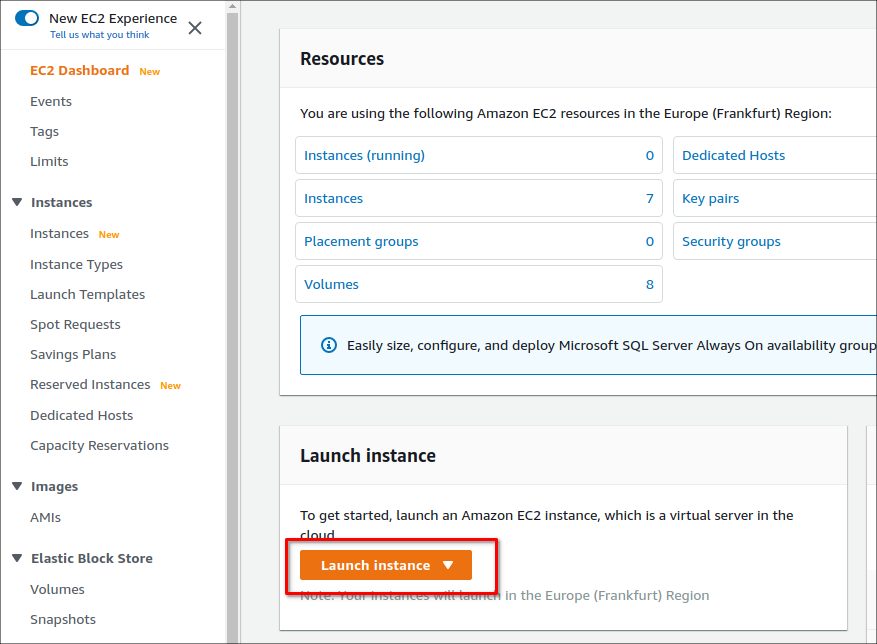
Building a PostgreSQL EC2 AMI for testing the latest commits

Testing the latest features or bug fixes in PostgreSQL can easily be done by pulling the latest commits from the git repository and compile PostgreSQL from source code. I am doing that frequently on my local sandbox VM but this becomes limited when I need more CPUs or more memory. This is where the public cloud really shines, as you… 

DynamoDB / Aurora: sparse and partial indexes

By Franck Pachot . In a previous post I tried to build a glossary about Amazon DynamoDB terms that look like relational database terms, but with a different technical meaning. Here is more about it. If you work with AWS Databases and frequently switch between DynamoDB and Aurora, or other RDS databases, you may be confused by the same terms… 

Working with multipass, a VM manager

Introduction What if you need quickly to launch virtual machine instances running Ubuntu for development and testing purposes. Multipass from Canonical can be the right tool for this. You can even customize the instances during launch by using Cloud-init in order to simulate a small cloud deployment from your laptop or desktop. So, in this short blog post, I will…