Skip to content

Cloud

Moving databases and applications to AWS, Microsoft Azure or Oracle Cloud Infrastructure raises practical questions about architecture, migration, managed services, licensing and cost. Our consultants answer them with what actually worked on customer projects.

Should CPU-intensive logic be done in the DB or in application server?

By Franck Pachot . Should CPU-intensive logic be done in the DB or in application server? Here was a answer found in Reddit: Comment byu/CacheMeUp from discussion inPostgreSQL Reducing the CPU usage on the database server is a major cost saver with commercial databases, like Oracle Enterprise Edition where you pay license per core. But even in Open Source, on-premises… 

Oracle Data Integrator Cloud

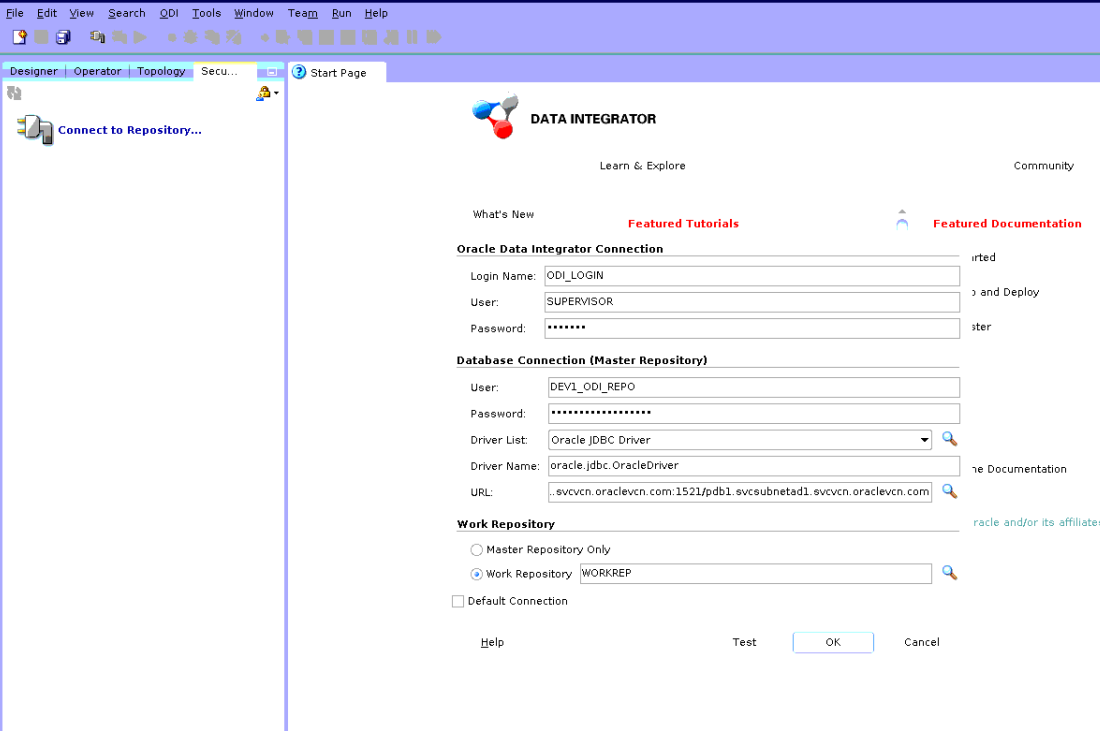
Data and applications integration is always a technical challenge for most of the companies. All data integration tool ensures that information is timely, accurate, and consistent across complex systems. Oracle Data Integrator (ODI) is different than traditional data integration tools in the sense it integrates data in a different orders. ODI is known as en E-LT because it Extracts data… 

A VPC is a private cloud in a public cloud

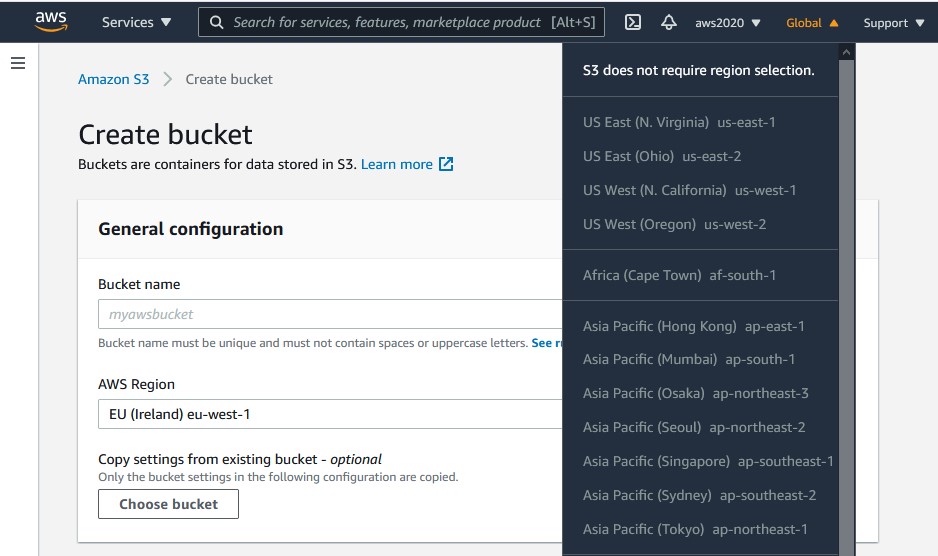
By Franck Pachot . If you are surprised that the first thing you do in a Public Cloud is creating a Virtual Private Cloud, this post is for you. This is a beginner level post. And if you are at that level, interested by what is the Cloud and what is AWS, I recommend our free AWS Discovery Days –… 

Linux perf-top basics: understand the %

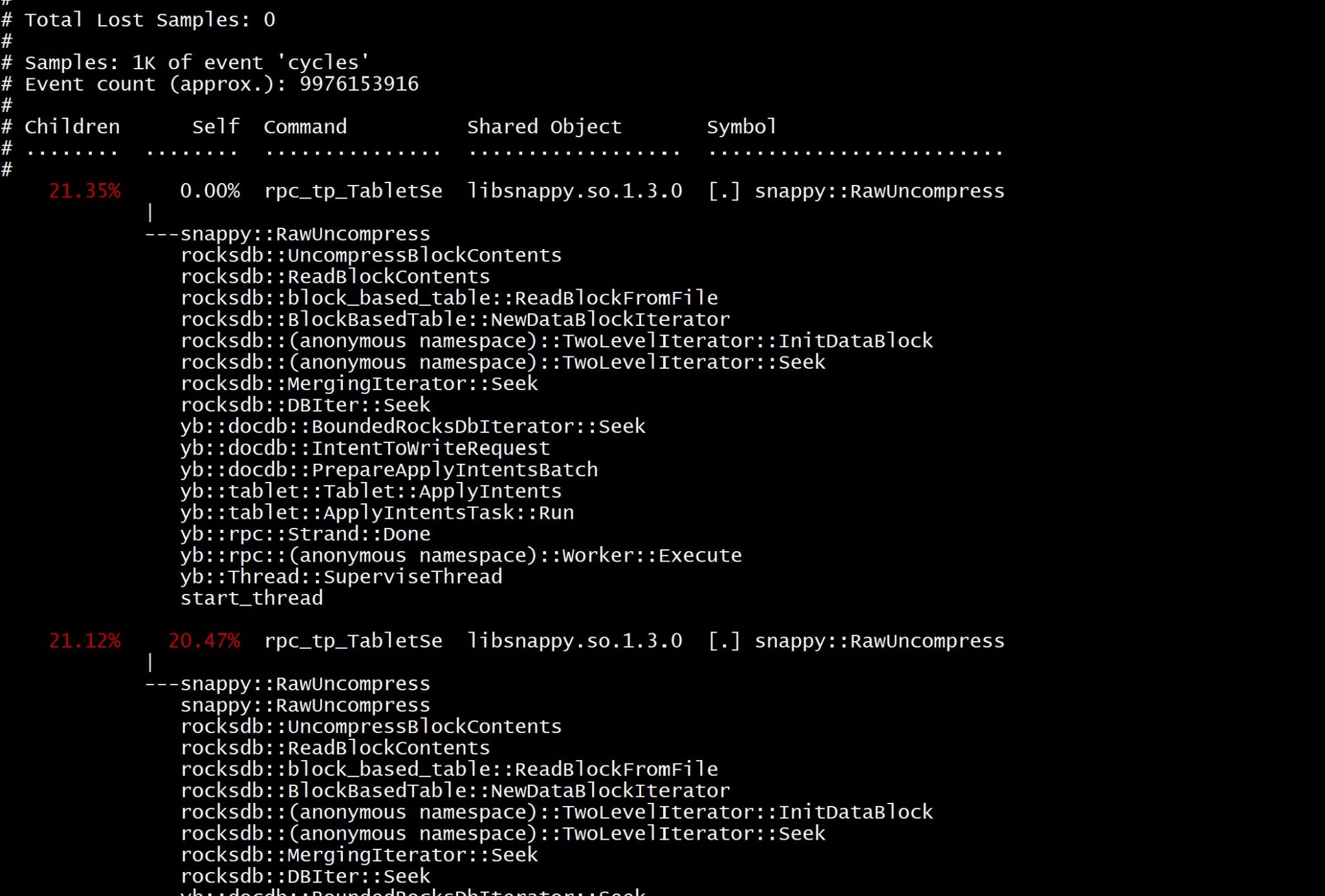
By Franck Pachot . Linux kernel has a powerful instrumentation that can be accessed easily. When you want to drill down into your program functions to understand their CPU usage, “perf” is the easiest. It can attach to the processes, sample the CPU cycles, get the symbol name, or even the call stack. And display an histogram of sample counts.… 

Deploying a Kubernetes cluster on EC2 with Rancher

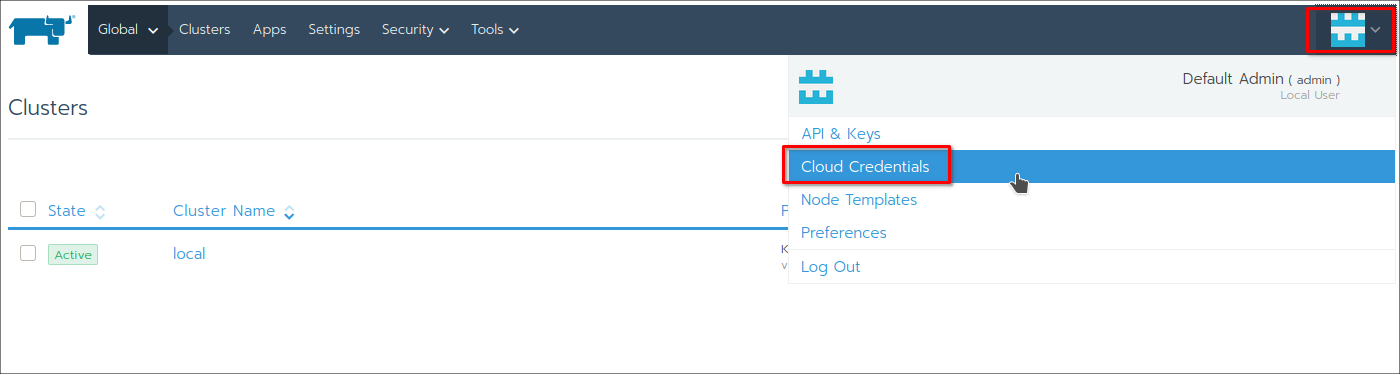
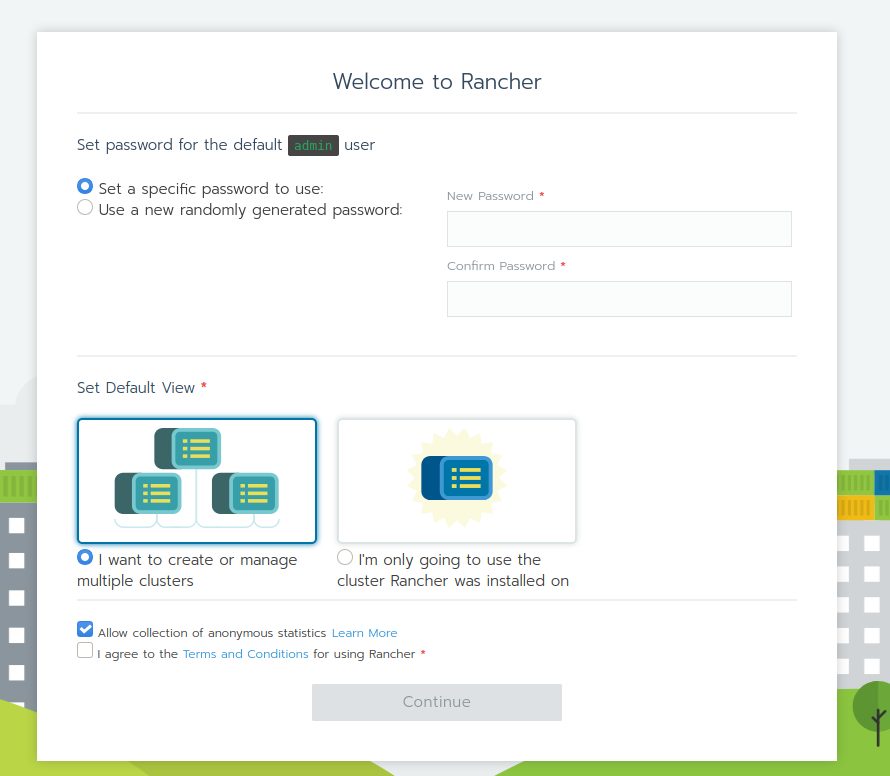
Once Rancher is up and running, it makes the deployment and management of Kubernetes clusters quite easy. In this post we’ll deploy a brand new cluster on top of EC2. If you want to have a simple and quick Rancher playground you can follow this post, which will give you a Rancher setup on SLES 15. If you want to… 

AWS: PostgreSQL on Graviton2 with newer GCC

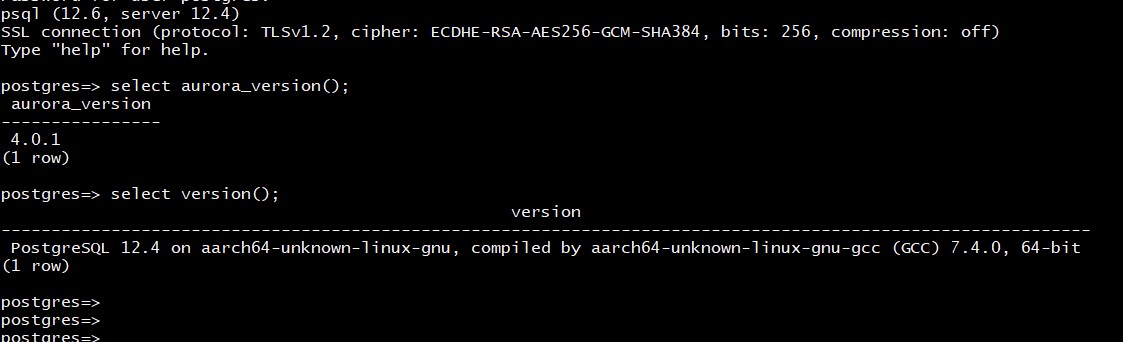
By Franck Pachot . In the previous post I have run PostgreSQL on AWS m6gd.2xlarge (ARM Graviton2 processor). I didn’t precise the compilation option and this post will give more details following this feedback: @FranckPachot thanks for sharing the results. Our own testing showed similar perf when using the default gcc7. However, with newer compiler and use of LSE, the… 

Rancher, up and running, on EC2 – 3 – Rancher setup

The is the next post in this little Rancher series. After we installed a single node RKE cluster and extended this configurtation to three nodes we will finally install Rancher in this post. As Rancher is installed with Helm we need to install that first: rancher@rancher1:~$ wget https://get.helm.sh/helm-v3.5.2-linux-amd64.tar.gz rancher@rancher1:~$ tar axf helm-v3.5.2-linux-amd64.tar.gz rancher@rancher1:~$ sudo mv linux-amd64/helm /usr/local/bin/ rancher@rancher1:~$ sudo chown… 

Rancher, up and running, on EC2 – 2 – Three nodes

In the last post we’ve brought up a RKE Kubernetes cluster on a single node. While that is cool for demonstration purposes or testing, this is nothing for a real life setup. Running the control pane, the etcd nodes and the worker nodes all on one node, is nothing you want to do usually, as you can not guarantee fault… 

AWS: PostgreSQL on Graviton2

By Franck Pachot . On the AWS free tier, you can run a t2.micro instance for 750 hours per month during the first 12 month after sign-up date. And currently, until June 2021, you can also run a T4g.micro. But be careful, when the free trial ends, or if your usage exceeds the free trial restrictions, you’ll pay the standard… 

Rancher, up and running, on EC2 – 1 – One node

If you want to play with Rancher you have several options, as outlined in the documentation. There are quick starts for the major public cloud providers (using Terraform), you can install it on a Linux host by using the Rancher container or you can do it on your own. We’ll be doing it step by step, as I believe that… 

8000 PostgreSQL clusters on one host?

Coming back to the last post: 8000 databases in one PostgreSQL cluster?. As we’ve seen this is doable but comes with a lot of pain points. Another solution for this kind of requirement would be to host 8000 PostgreSQL clusters on one host. Again, I am not saying this is something you should do, and again, this is not how… 

Oracle DB on Azure with Multitenant Option

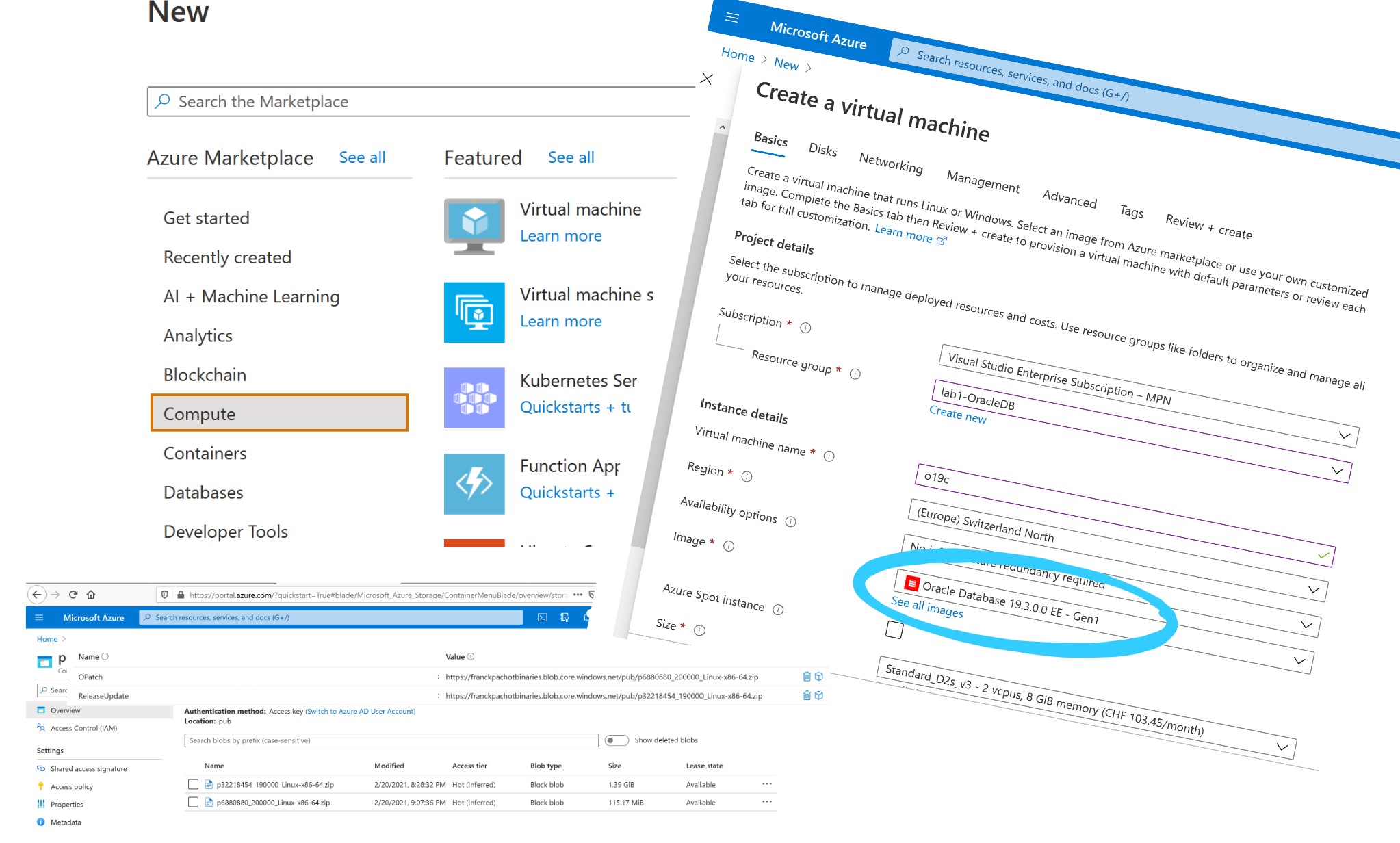
By Franck Pachot . If you want to run an Oracle Database in the Microsoft Azure cloud, you will install it yourself on a VM. And then, you can expect the same as when you install it in your premises, in a virtual environment. Except that Oracle makes it two times more expensive by accepting to license the processor metric…