Skip to content

Red Hat

Moving JBoss EAP Workloads to OpenShift

More and more customers running traditional Java EE or Jakarta EE workloads are asking the same question: “We already use JBoss EAP. Should we move to Kubernetes or OpenShift, and do we need to replace the application server?” The answer is not to rush into a rewrite. In many cases, the most realistic and valuable first step is to move… 

Integrate YaK into Red Hat Ansible Automation Platform

Introduction to YaK YaK is an open-source automation project developed by dbi services. Built on Ansible playbooks, YaK streamlines the deployment process for various components across any platform. It ensures adherence to best practices, maintains deployment quality, and significantly reduces time-to-deploy. Initially created in response to the growing demand from dbi services’ consultants and clients, YaK simplifies and accelerates deployments… 

Interacting with OpenShift Local in an Azure VM

In my previous blog I’ve written about the no or low cost solutions to setup an OpenShift cluster to play with. I’ve detailed the installation of OpenShift Local on Azure. OpenShift Local is like a mini cluster that is installed on just one virtual machine (node). I’ve also shared the tips on how to properly stop the cluster before shutting… 

Test OpenShift 4 at low cost in Azure

If you want to learn and test OpenShift 4 (the last release is 4.14 at this time of writing), you may not want to go straight with the installation of a full cluster. Using the OpenShift Service of a cloud provider is costly. Even if you want to install it all by yourself in the cloud, you’ll still need several… 

Ansible automates roadshow 2023

I attended this tour from Red Hat to promote automation at Ansible automates roadshow with my colleague Arnaud Berbier. You’ll find his review of the journey here) in Geneva. It was the third date from their tour. In case you’re interested in automation with Ansible there is 2 more dates in Germany. It started with Loïc Avenel who is the… 

How to use AWX REST API to execute jobs

by Alexandre Nestor Introduction AWX provides a REST API which allows to do pretty all commands that can be executed through the web interface, using http requests. Sometimes is more easy to restart, or start jobs for instance through API, instead of going through the graphical interface. First access of REST API For instance, suppose the AWX server IP is… 

Managing Ansible with AWX – Part II – Organizations, Users and Teams

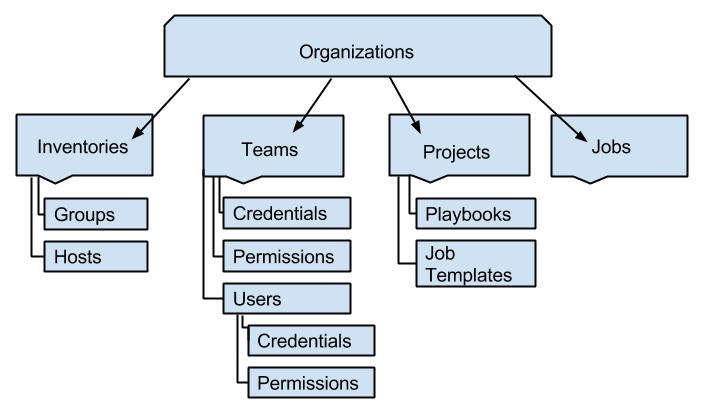
In the 1st post of this serie, I demonstrate how easy it is to install AWX on a local Minikube Kubernetes cluster. Now that the installation is done and the access to the web console is working, let’s find out what kind of objects should be created to best manage Ansible playbooks deployments using AWX. AWX Command Line Interface Obviously… 

Managing Ansible with AWX – Part I – Installation on Minikube

AWX is a web based GUI tool for managing Ansible playbooks. It is the open source upstream project of Red Hat Automation Controller (formerly Ansible Tower) . As for Fedora and RHEL operating systems, the releases of Automation Controller are created from a branch of AWX, which sponsored is by Red Hat. AWX provides user interface, REST API and task… 

Switching from CentOS 8 to Red Hat 8

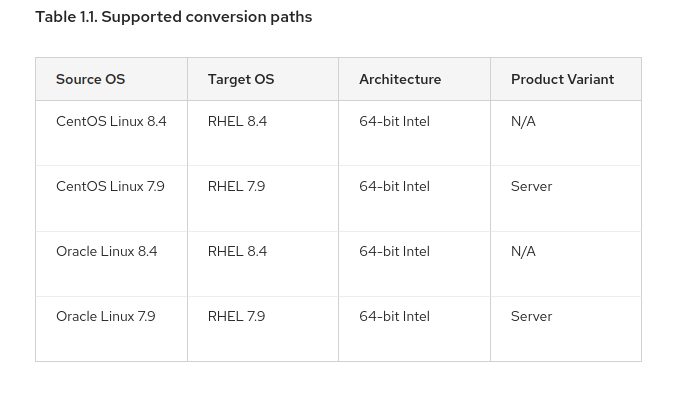
We have quite a few customers still running on CentOS 8 and you probably already are aware that CentOS 8 will be end of life by the end of this year. This forces a lot of companies to either switch to an alternative or to stick with CentOS stream. For most enterprise workloads CentOS stream is not a solution as… 

Automating Linux patching with Ansible

Since the beginning of the year, several vulnerabilities have been discovered in the Linux Kernel as well as in others important and widely-used packages. Among them, there was the famous CVE-2021-3156 affecting the sudo package and allowing any unprivileged user to gain root privileges. This one had a base score of 7.8, which is considered as high. This kind of… 

CentOS 8 alternatives

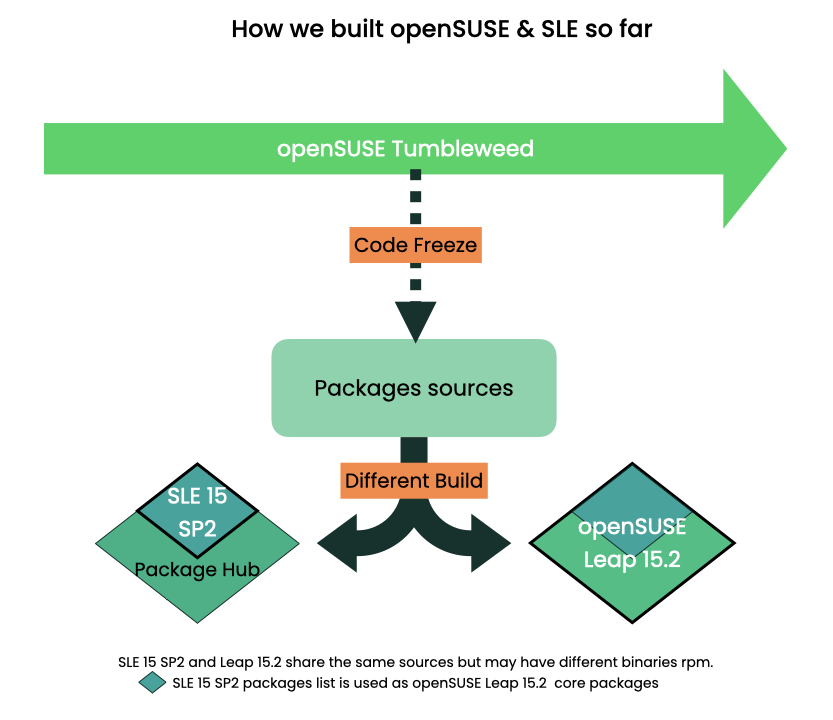
Many people are unhappy about the decision from the CentOS Board of Directors, to switch from fix releases to Stream and cutting the support date from 2029 to 31st of December 2021 for CentOS 8. Many applications in productive environments require fix OS releases. Having more or less daily changing packages can cause many issues. People who have upgraded from… 

Red Hat Enterprise Linux 8 – Stratis

The Initial Release (8.0.0) of Red Hat Enterprise Linux 8 is available since May 2019. I’ve already blogged about one of its new feature (AppStream) during the Beta version. In this post I will present Stratis, which is a new local storage-management solution available on RHEL8. Introduction LVM, fdisk, ext*, XFS,… there is plenty of terms, tools and technologies available…