Skip to content

Linux/UNIX

vagrant up – get your Oracle infrastructure up an running

By using Vagrant to manage your Virtual Machines and Ansible for configuration management and provisioning you can easily automate the setup of your whole test environment in a standardized way. If you have never heard about Ansible and Vagrant I try to give you an idea with the following very short  summary. There is a lot of good information available… 
OEL 7 – Project Quotas on Oracle Homes with XFS on Oracle Linux 7

By William Sescu User and group quotas do exist for quite a while for all kind of file systems, like ext4 or vxfs and maybe many others. However, for my use case, I do need quotas for different directories on the same file system. My mount point is /u01 and in that file system, I do have different Oracle Homes… 

OEL 7 – How to disable IPv6 on Oracle Linux 7

By William Sescu In case you are not interested in IPv6, you can use the following HowTo to disable it on Oracle Linux 7. Unless you have something very very special on your System, these 10 Steps should do it. First of all, check if IPv6 is active at all Add the disable_ipv6 = 1 entries to the /etc/sysctl.conf file… 

SQL Server on Linux in Azure

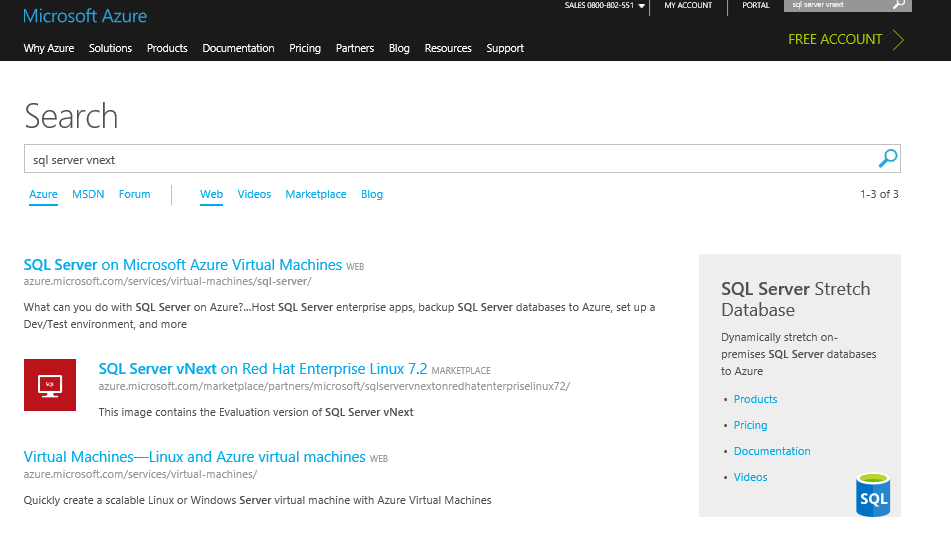
I’m pleased to announce that Microsoft gives now the opportunity to choose Linux as a new operating system for SQL Server. To try this new version, you can find in the Cloud Azure a new template in the marketplace. In the search bar, tape “SQL Server vnext” and you’ll find the “SQL Server vNext on Red Hat Enterprise Linux 7.2”.… 

Oracle – Suspending/Resuming an Oracle PID with “oradebug suspend/resume” or the OS kill command

By William Sescu Sometimes, if you kick off a huge load or transformation job, your Archive Destination might run full, faster than your RMAN backup job cleans up the destination. To avoid an Archiver Stuck in such situations, the “oradebug suspend/resume” can be helpful, or the UNIX kill command. Usually, the “oradebug suspend” and the UNIX kill command work quite well. Before… 

Shrinking Oracle VM VirtualBox with Zerofree

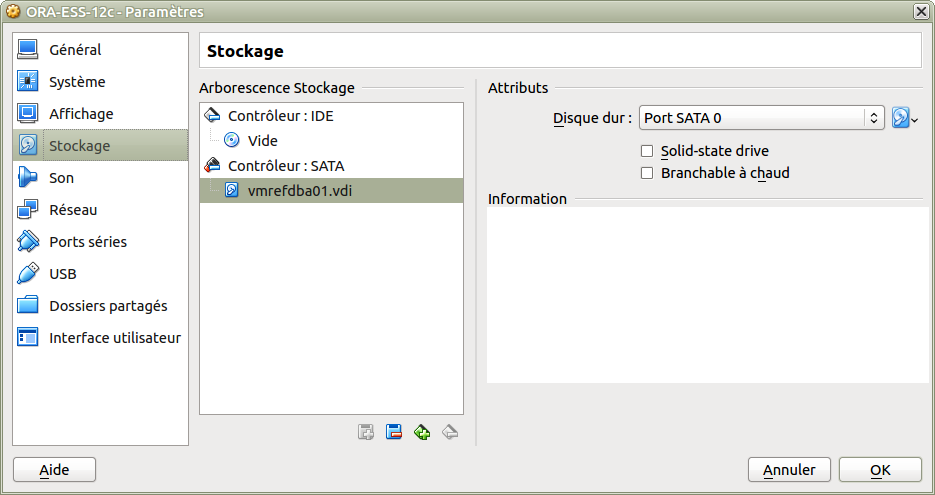
In this blog I would like to talk about Shrinking a Virtual Machine with Oracle databases and MySQL which is install. Unfortunately, whilst Virtual Box will dynamically expand the hard drive as it’s required, it won’t dynamically shrink it again if you free up space in the VM. The good news is You can shrink a dynamic Virtual Box disk… 

VM Linux – Device not found : Network unreachable

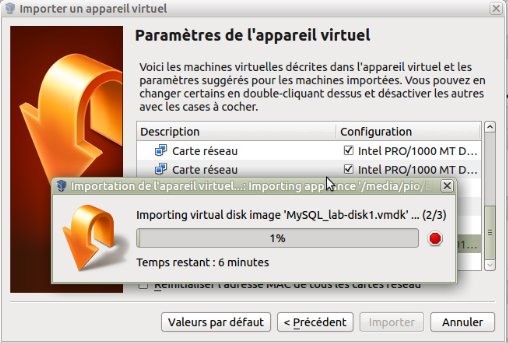
Recently I exported an Oracle Virtual Box VM as an “.ova” file. When the file was imported again I faced issues with the network devices inside the VM. This post is about what I experienced and how I resolved it. In my example I have two networks devices configured for the VM in the Virtual Box: When I logged in… 

Linux – How to check the exit status of several piped commands

As piping in bash commands is common and very usefull, controling the exit status of each piped commands in bash scripting can be vital, especially for backups. I was checking by a customer the backups of a critical MySQL instance and was surprised even stunned that the return status of all of them was always  successfull when tested but physically… 

Linux Serververwaltung mit Puppet leichtgemacht

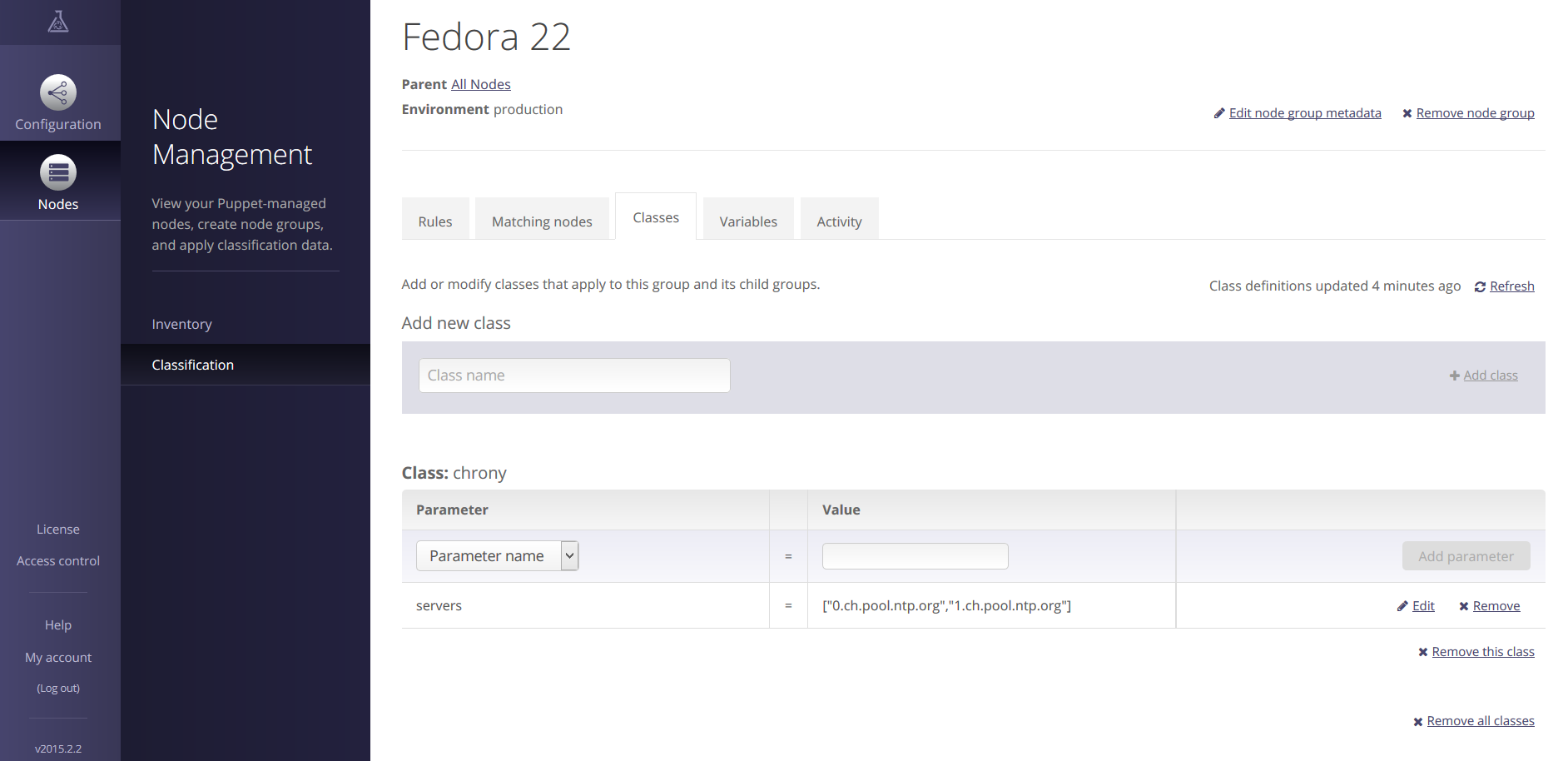
Mit Puppet die Linux-Server verwalten   Sind mehrere Linux-Server vorhanden, dann entsteht sofort ein Aufwand die unzähligen Konfigurationen ( ntp, chrony, dns, users, groups, services etc.) zu administrieren. Jeder Administrator möchte möglichst alle Server auf die gleiche Weise konfiguriert haben, die gleichen Konfigurationen. Puppet ist ein Werkzeug um genau diese Tätigkeiten zu automatisieren. Das erfolgt mit Manifesten (Definitionen). Die Funktionalität… 

screenshot of puppet node management

Linux Magic System Request Key Hacks

Recently at a customer we needed to power-cycle a database system because we wanted to be sure that a cluster resource fails over to a remaining node as expected. The issue was that we did not have access to the data center where the system is running nor did we have access to the console. What to do? Actually it… 

tmux – an alternative to screen

You may already use screen for multiplexing a terminal. This is especially useful when you want to start long running processes on a server and do not want to loose the connection because of a ssh connection timeout, firewall settings or other reasons. With screen the session keeps running even if you got disconnected somehow and you may re-attach to… 

FIO (Flexible I/O) – a benchmark tool for any operating system

I have just attended an interesting session held by Martin Nash (@mpnsh) at UKOUG 14 – Liverpool: “The least an Oracle DBA Should Know about Linux Administration” . During this session I had the opportunity to discover some interesting commands and tools such as FIO (Flexible I/O). FIO is a workload generator that can be used both for benchmark and stress/hardware…