Skip to content

Cloud

Moving databases and applications to AWS, Microsoft Azure or Oracle Cloud Infrastructure raises practical questions about architecture, migration, managed services, licensing and cost. Our consultants answer them with what actually worked on customer projects.

AWS RDS for PostgreSQL – 4 – Changing parameters

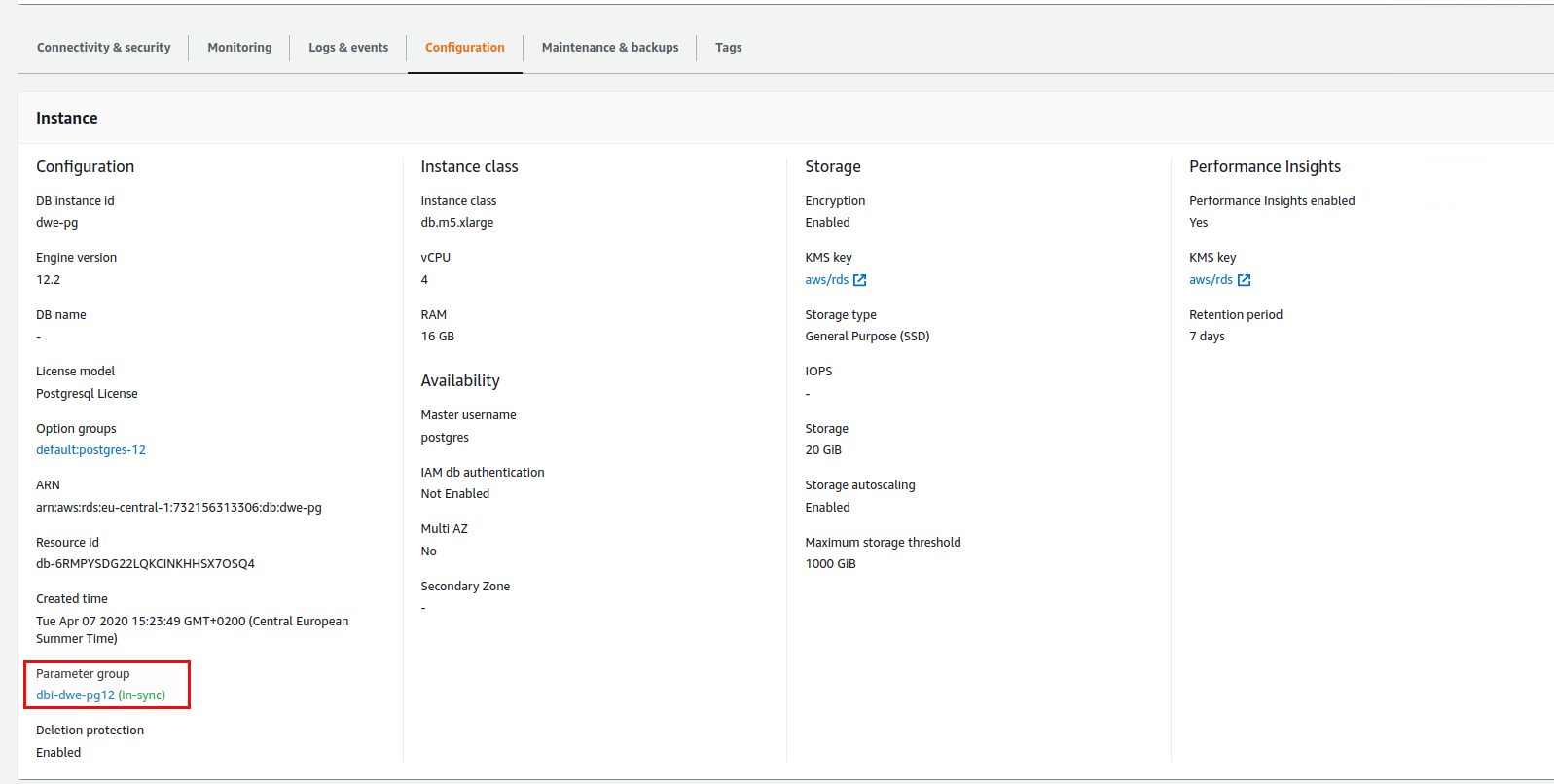
If you followed that last posts about DB Parameter Groups, Subnet Groups and Setting up the RDS instance you should have a running RDS instance. You should also be aware that changing parameters can not be done like you usually do it but you need to do that by changing the DB parameter groups. In this post we’ll look at… 
AWS RDS for PostgreSQL – 2 – Subnet groups

In the last post we had a look at DB Parameter Groups when it comes to AWS RDS for PostgreSQL. This is one of the first things you should think about. But even before you think about PostgreSQL parameters you need to configure the networks your database instances shall be running in. In real life this is done by one… 

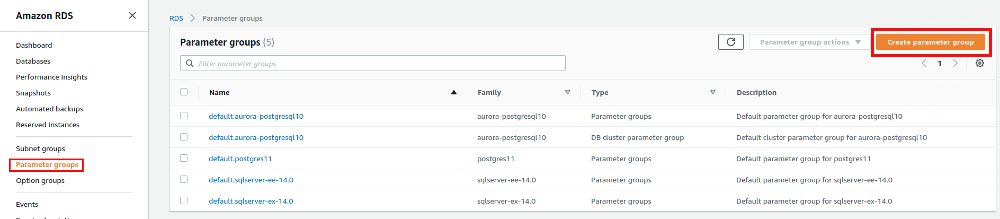
AWS RDS for PostgreSQL – 1 – DB Parameter Groups

When your go for AWS RDS you can very quickly bring up a database instance and start using it. I’ve written about my thoughts using this approach here and really encourage you to learn about a specific service in more detail before you start using it. If you want to have a managed service for PostgreSQL in AWS, you can… 

Some thoughts about working with/on AWS

In the last year working with/on AWS has become an almost daily task in my life as a consultant and trainer. From a trainer perspective there is not much to say about it because we use a very limited amount of services (EC2, mostly) and we have a limited amount of trainers that use the platform to deliver our trainings.… 

Rapid PostgreSQL cloning using AWS EBS snapshots

When you go for AWS EC2 instances to host your PostgreSQL deployments and you want to rapidly clone PostgreSQL instances for development or testing purposes you can make use of AWS EBS snapshots. In this post we’ll look at how you can quickly spin up EC2 instances that use these snapshots as a base for new PostgreSQL clusters. Although we’ll… 

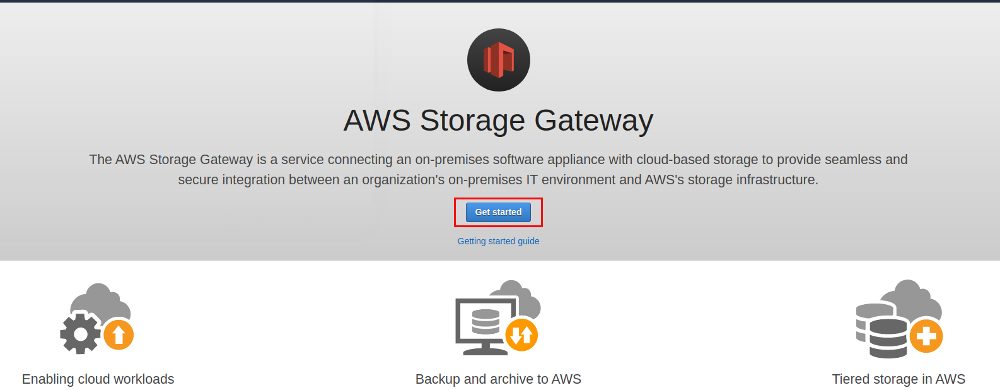
Using AWS Storage Gateway as a backup target for PostgreSQL

In the last post we had a quick look at AWS Kinesis data streams and how you can push data to AWS S3 using AWS Firehose. Another great AWS service is AWS Storage Gateway and in this post we’ll use that to push our PostgreSQL backups to AWS. The primary usage of AWS Storage Gateway is to extend you local… 

Oracle disables your multitenant option when you run on EC2

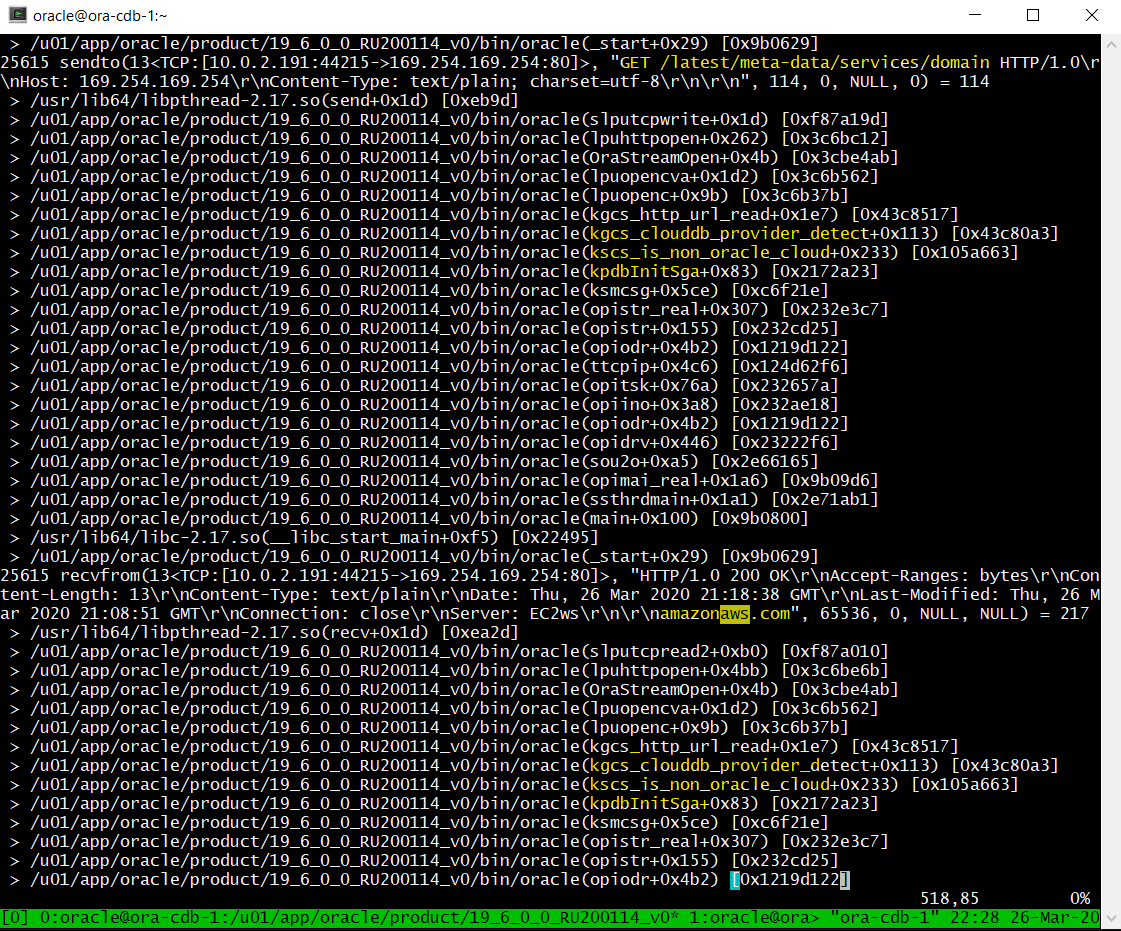
I have installed Oracle 19.6 on an EC2 for our Multitenant Workshop training. And of course, during the workshop we create a lot of PDBs. If you don’t have paid for the Enterprise Edition plus the Multitenant Option you can create at most 3 pluggable database. But with this option you can create up to 252 pluggable databases. Does it… 

AWS Automation – Stop a RDS instance

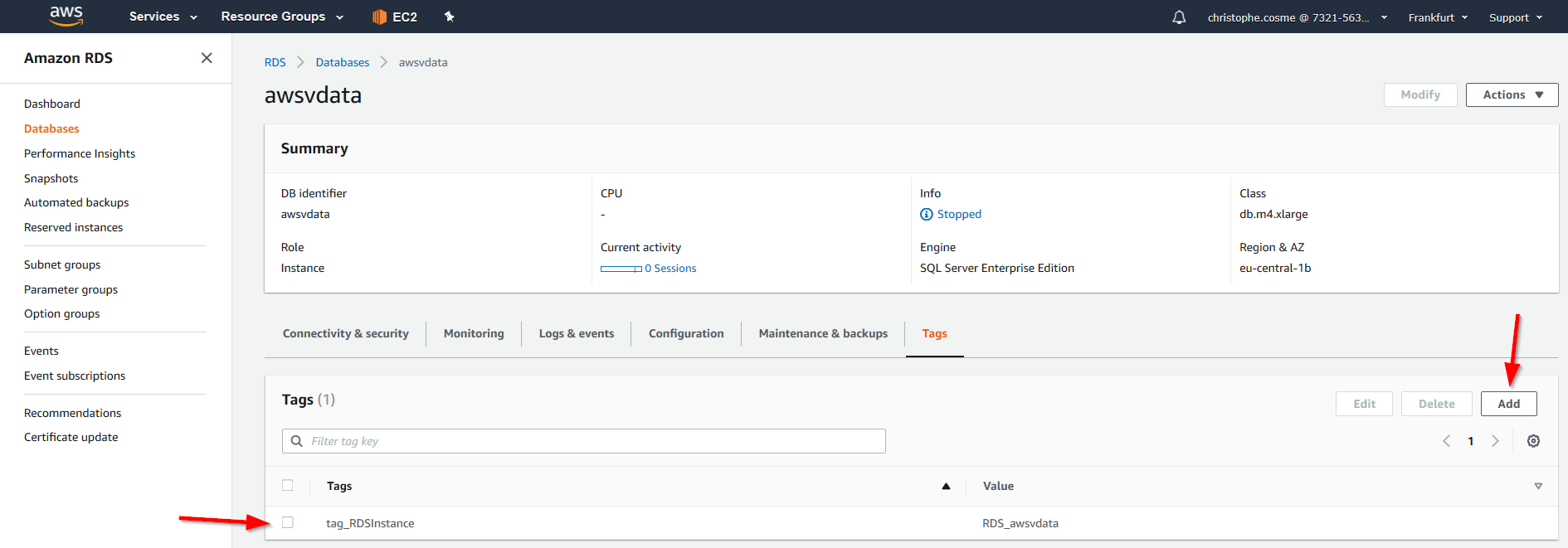
Introduction I created a RDS SQL Server instance on AWS. I use it for test purpose and to minimize the costs I needed to ensure that my instance is stopped automatically at the end of the working day and also because on RDS instances are automatically activated when its schedule maintenance is triggered. In this article I will share the… 

DynamoDB: adding a Local covering index to reduce the cost

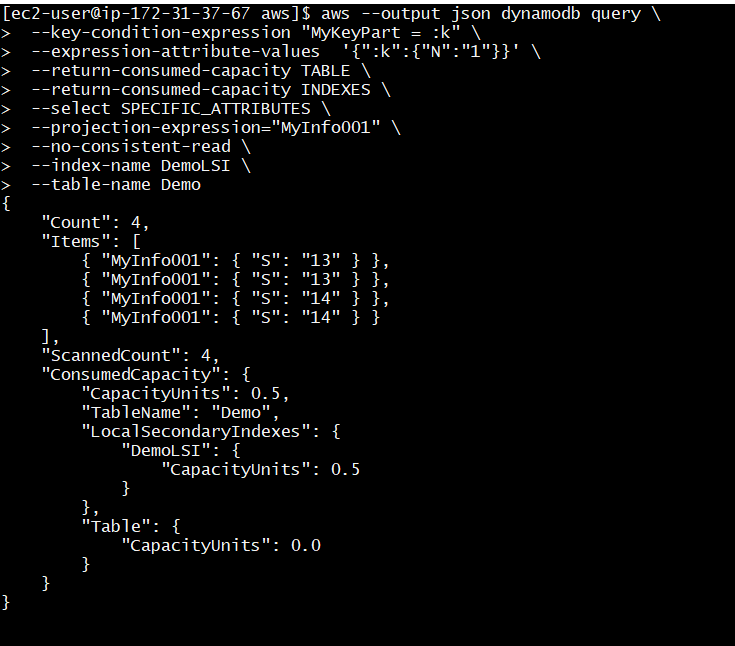
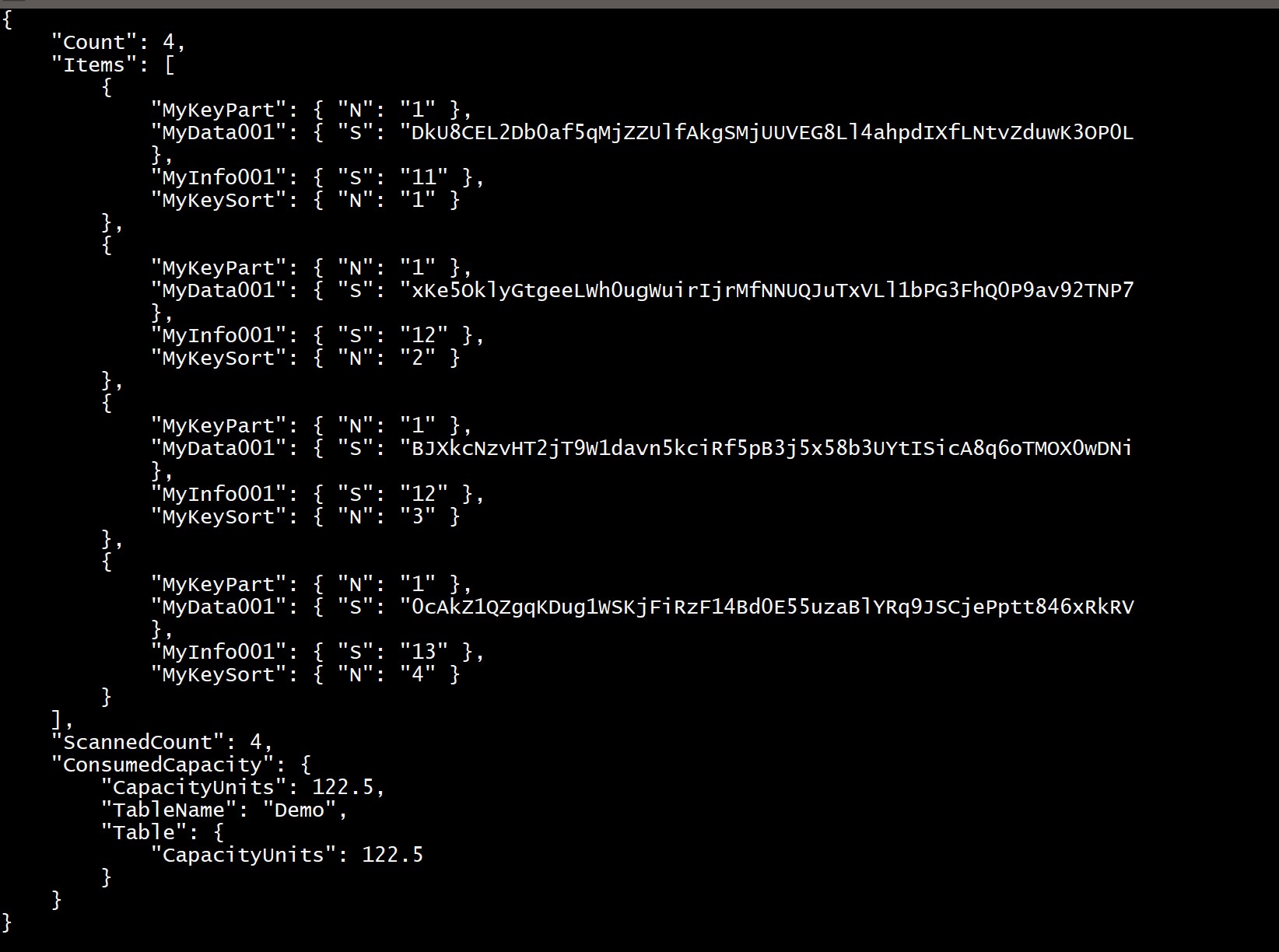
By Franck Pachot . This is a continuation on the previous post on DynamoDB: adding a Global Covering Index to reduce the cost. I have a DynamoDB partitioned on “MyKeyPart”,”MyKeySort” and I have many queries that retrieve a small “MyIndo001” attribute. And less frequent ones needing the large “MyData001” attribute. I have created a Global Secondary Index (GSI) that covers… 

DynamoDB: adding a Global covering index to reduce the cost

By Franck Pachot . People often think of indexes as a way to optimize row filtering (“get item” faster and cheaper). But indexes are also about columns (“attribute projection”) like some kind of vertical partitioning. In relational (“SQL”) databases we often add more columns to the indexed key. This is called “covering” or “including” indexes, to avoid reading the whole…