Skip to content

Open source Team

Posts published under the Open source Team account are collective contributions by the dbi services open infrastructure consultants. The practice covers open-source databases and platforms, PostgreSQL first of all, along with MySQL, MariaDB, and Linux, from architecture, replication, and high availability to performance tuning and operations under service level agreements, and contributes actively to the PostgreSQL community.

721 posts since September 2011

Attaching your own CentOS 7 yum repository to AWS SSM

From some blogs I’ve written in the past you might already know that we are using AWS SSM to patch and maintain the complete EC2 and onprem instances at one of our customers. The previous posts about that topic are here: Avoiding patching madness by using AWS SSM Avoiding patching madness by using AWS SSM A simple Terraform script to… 
Some myths about PostgreSQL vs. Oracle

By Franck Pachot . I originally wrote this as a comment on the following post that you may find on internet: https://www.2ndquadrant.com/en/blog/oracle-to-postgresql-reasons-to-migrate/ but my comment was not published (many links in it… I suppose it has been flagged as spam?) so I put it there. You should never take any decision on what you read on the internet without verifying.… 

Publishing a PowerShell script to AWS Lambda

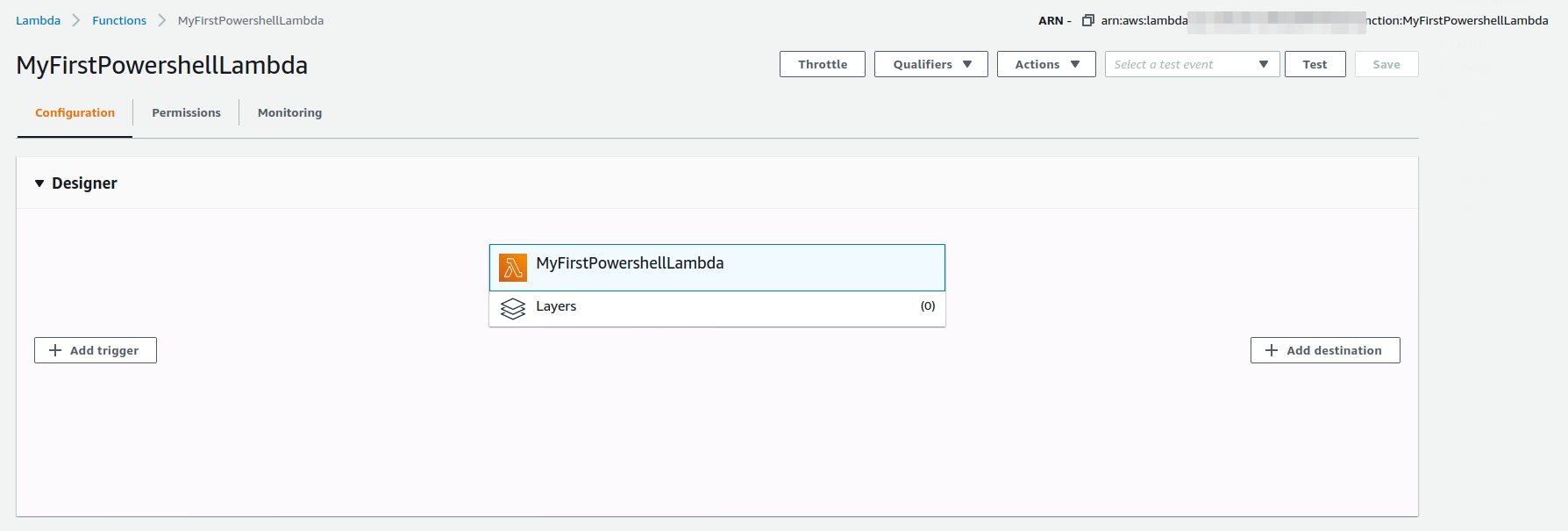
I’ve done some Lambda functions with Python in the past and it was quite easy to publish that to Lambda (by just uploading a zip file with all my code and dependencies). You might ask yourself why I want to do that with PowerShell but the reason is quite simple: There was a requirement at a customer to automatically collect… 

No{Join,GroupBy}SQL – Analytic Views for BI

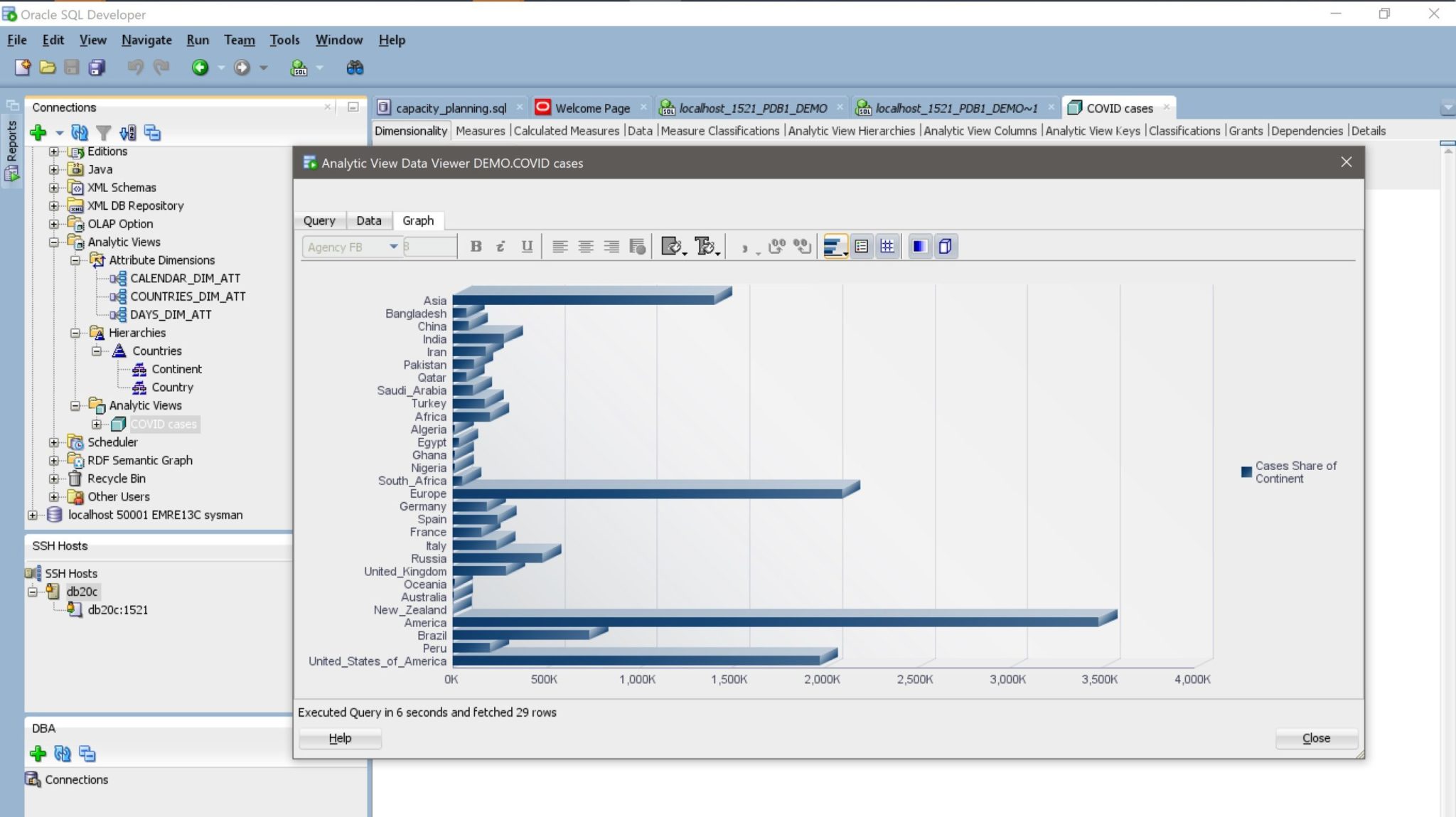
By Franck Pachot . Advocates of NoSQL can query their structures without having to read a data model first. And without writing long table join clauses. They store and query a hierarchical structure without the need to follow relationships, and without the need to join tables on a foreign key name, in order to get a caption or description from… 

PostgreSQL Shared Buffers vs free RAM

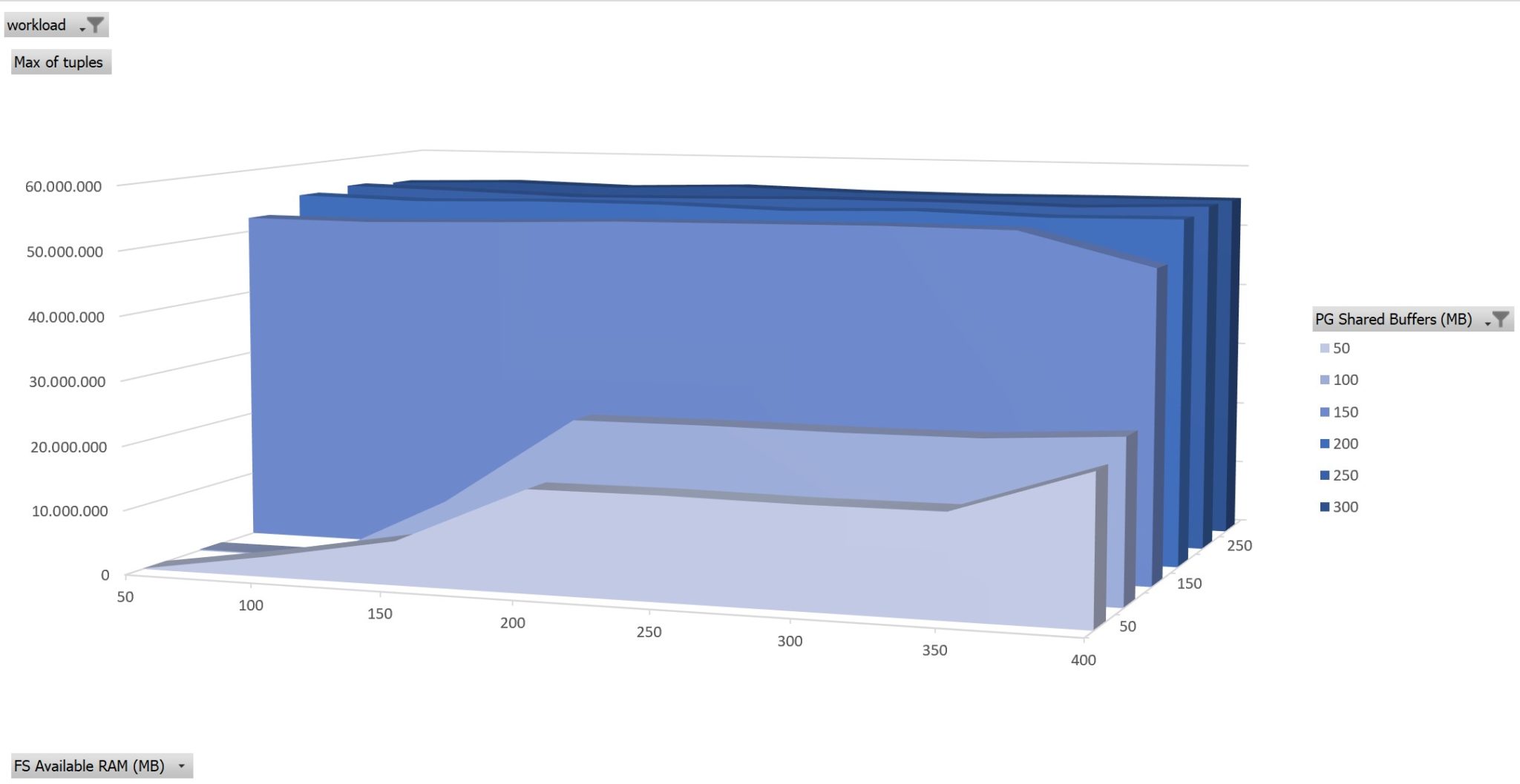
PostgreSQL, like all other database engines, modifies the table and index blocks in shared buffers. People think that the main goal of buffered reads is to act as a cache to avoid reading from disk. But that’s not the main reason as this is not mandatory. For example PostgreSQL expects that the filesystem cache is used. The primary goal of… 

The evolution of MySQL authentication mechanism

The authentication, the first level of security for each IT system, is the stage to verify the user identity through the basic username and password scheme. It is crucial to have a mechanism to protect and secure password storing and transmitting over network. In MySQL, there is plenty of different authentication methods available, and last versions improved the security of… 

The myth of NoSQL (vs. RDBMS) agility: adding attributes

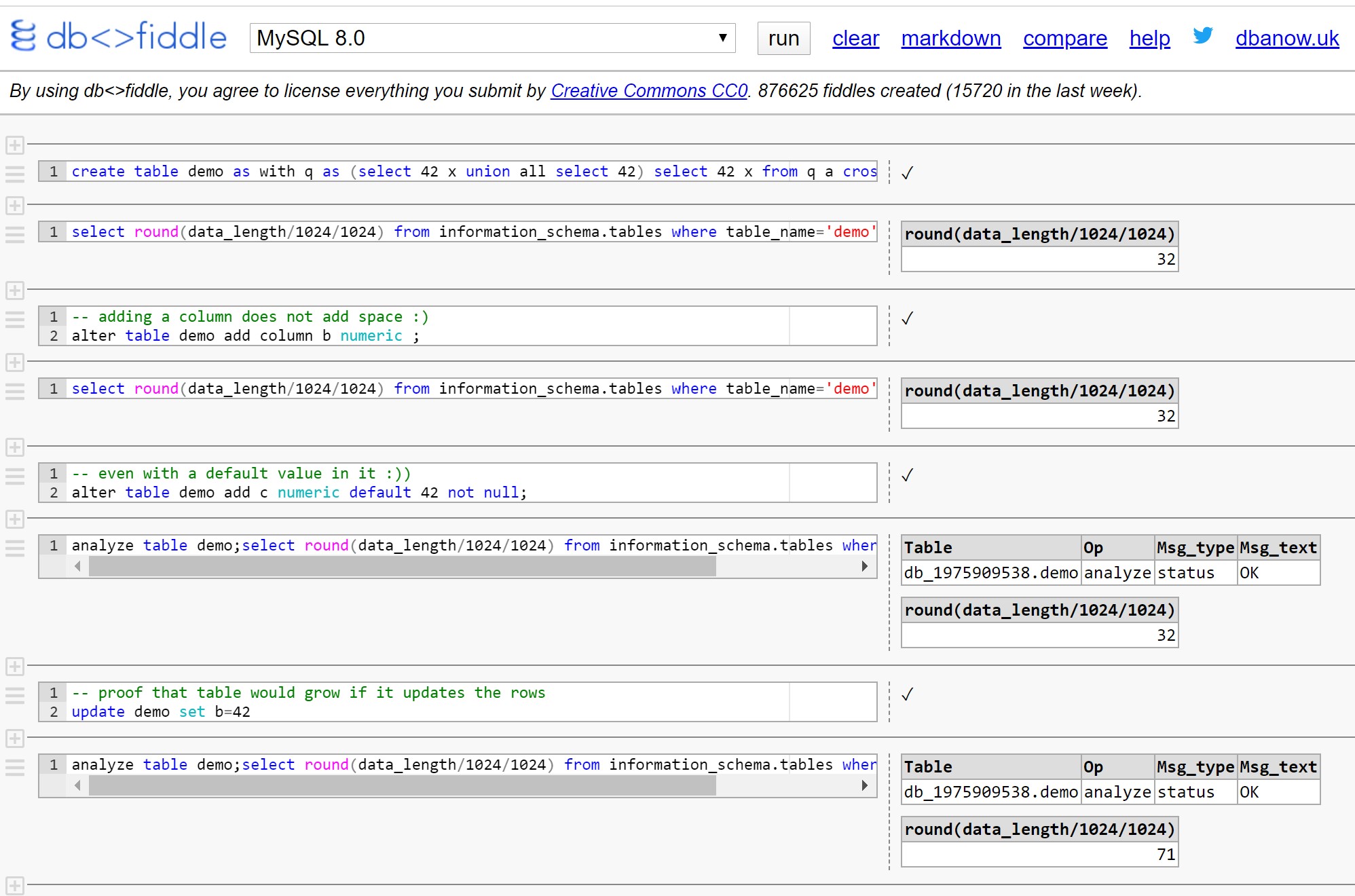
By Franck Pachot . There are good reasons for NoSQL and semi-structured databases. And there are also many mistakes and myths. If people move from RDBMS to NoSQL because of wrong reasons, they will have a bad experience and this finally deserves NoSQL reputation. Those myths were settled by some database newbies who didn’t learn SQL and relational databases. And,… 

AWS Aurora vs. RDS PostgreSQL on frequent commits

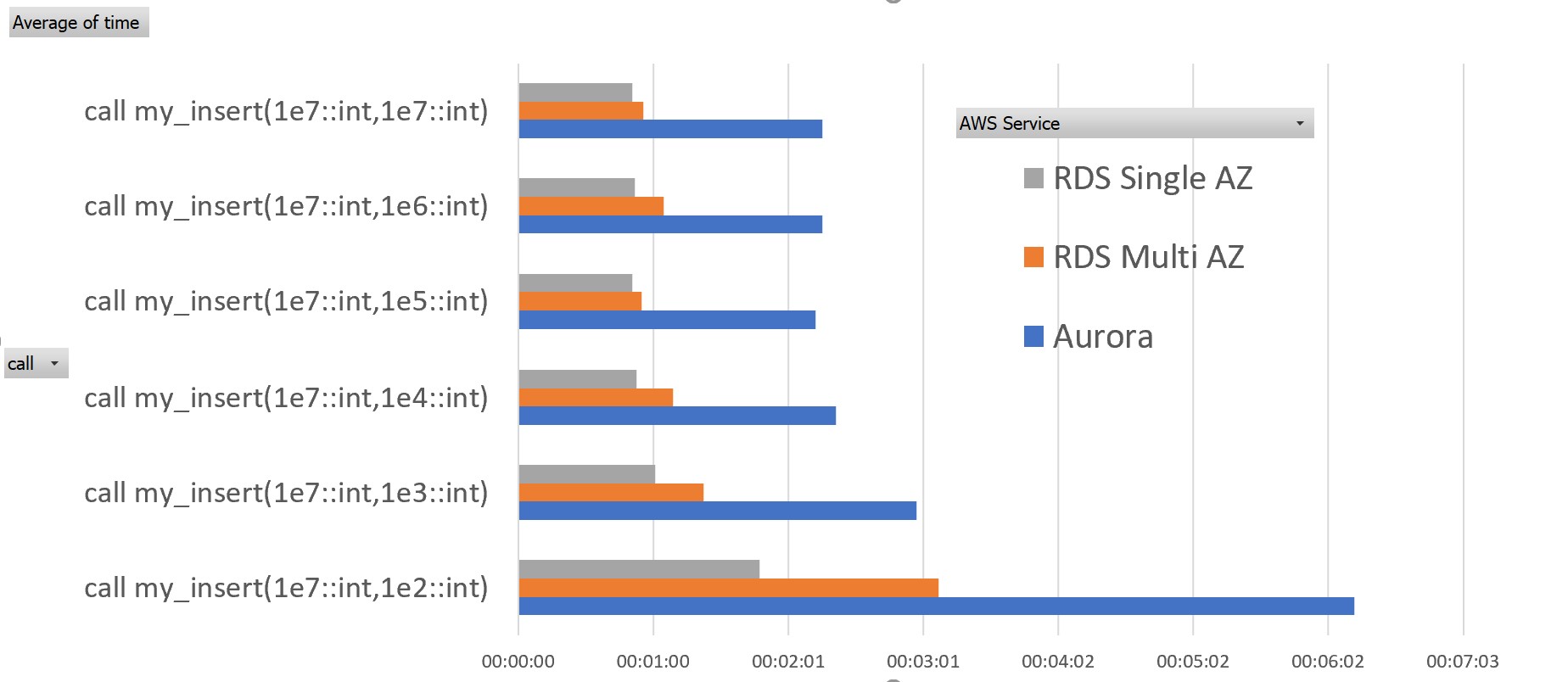
This post is the second part of https://www.dbi-services.com/blog/aws-aurora-xactsync-batch-commit/ where I’ve run row-by-row inserts on AWS Aurora with different size of intermediate commit. Without surprise the commit-each-row anti-pattern has a negative effect on performance. And I mentioned that this is even worse in Aurora where the session process sends directly the WAL to the network storage and waits, at commit, that… 

AWS Aurora IO:XactSync is not a PostgreSQL wait event

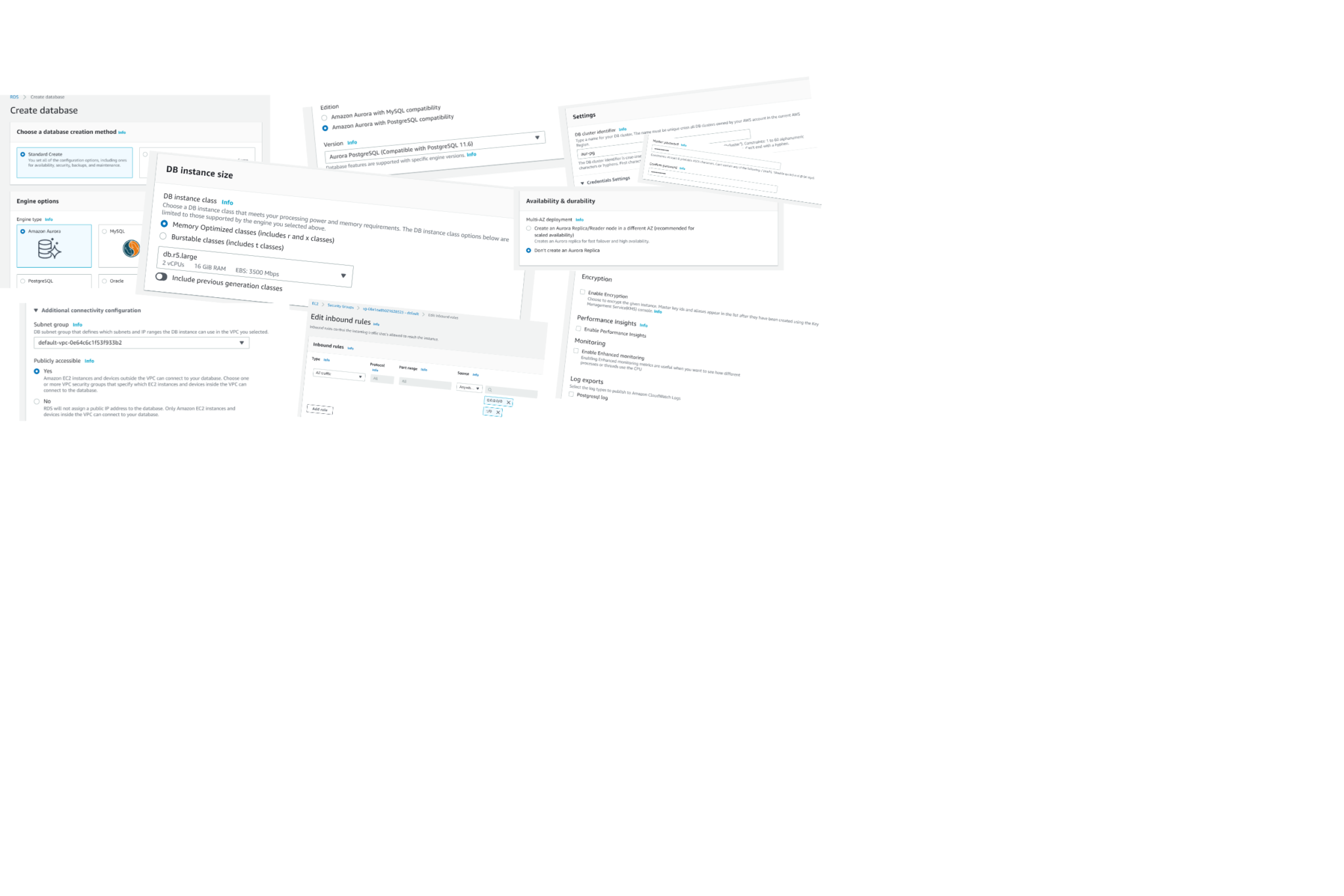
By Franck Pachot . In AWS RDS you can run two flavors of the PostgreSQL managed service: the real PostgreSQL engine, compiled from the community sources, and running on EBS storage mounted by the database EC2 instance, and the Aurora which is proprietary and AWS Cloud only, where the upper layer has been taken from the community PostgreSQL. The storage… 

AWS Certified Database Specialty (DBS-C01)

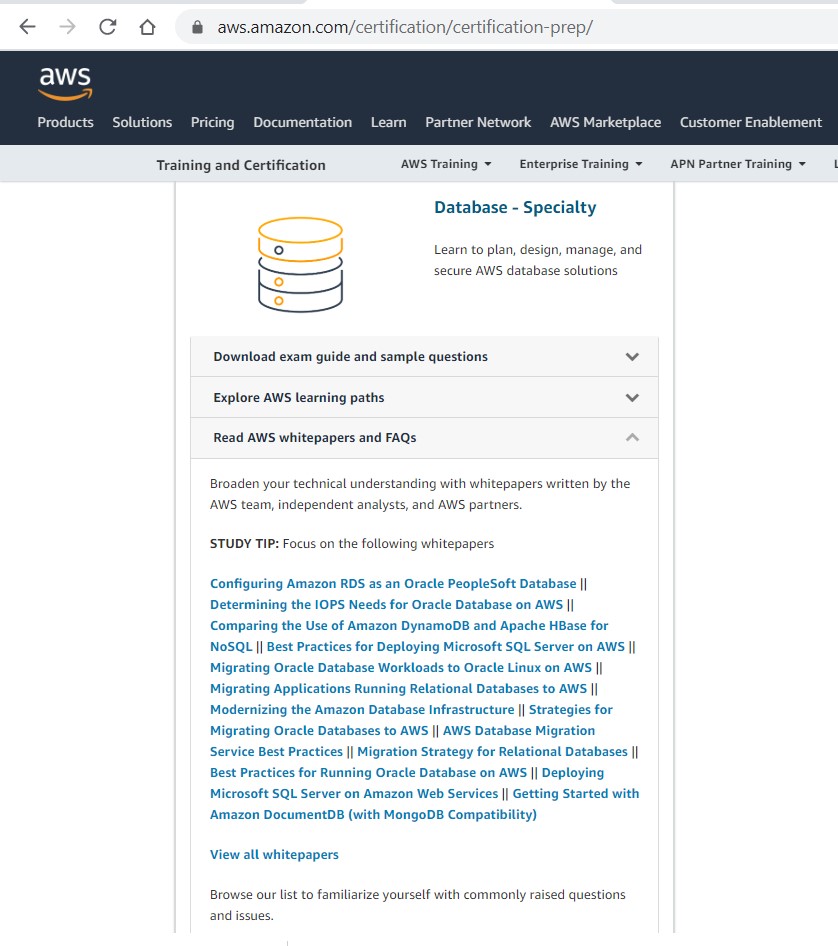
Here is my feedback after preparing and passing the AWS Database Specialty certification. There are tips about the exam but also some thoughts that came to my mind during the preparation when I had to mind-shift from a multi-purpose database system to purpose-built database services. Exam Availability This exam was in beta between last December/January and then was planned for… 

AWS RDS for PostgreSQL – 4 – Changing parameters

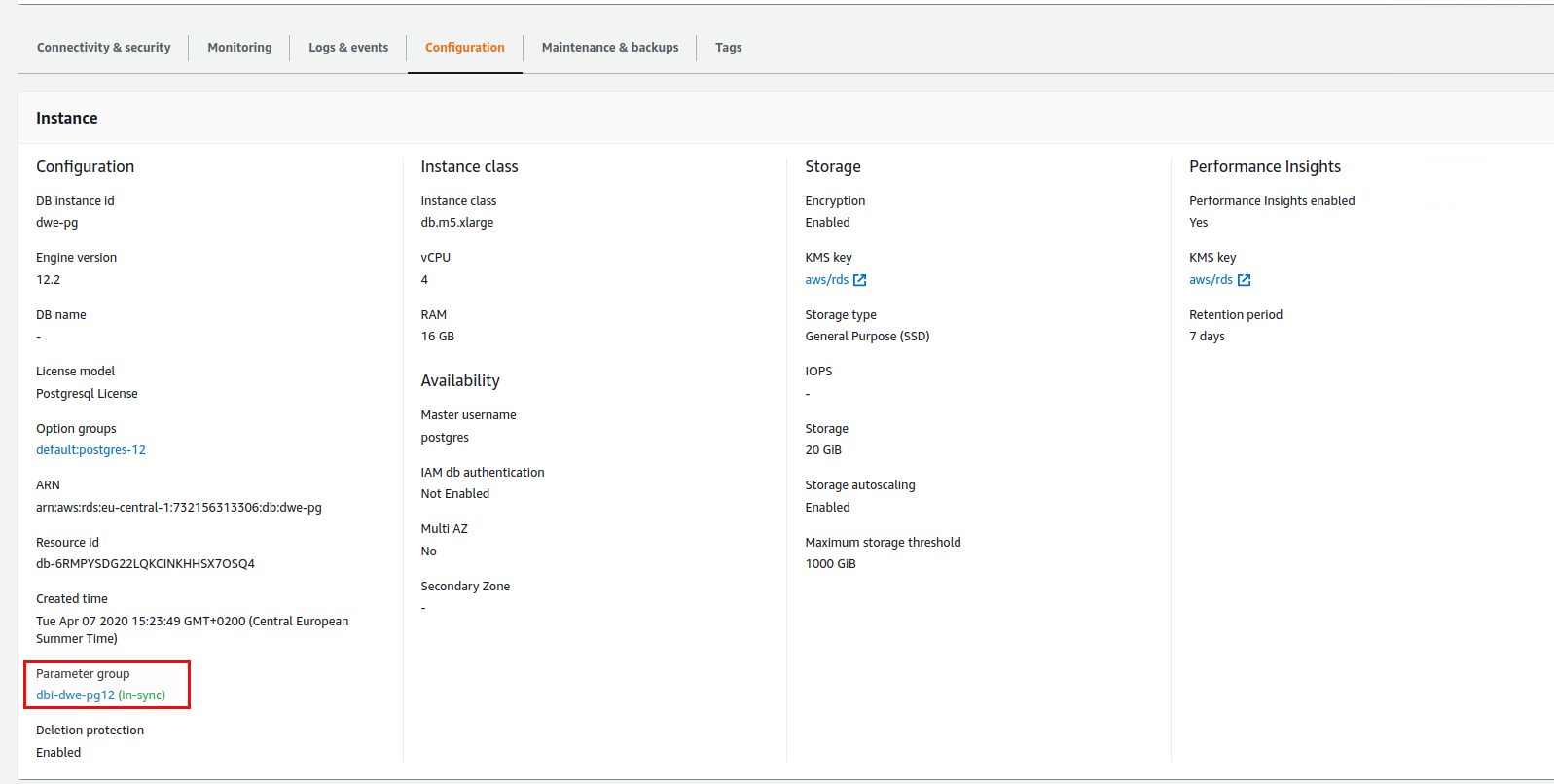
If you followed that last posts about DB Parameter Groups, Subnet Groups and Setting up the RDS instance you should have a running RDS instance. You should also be aware that changing parameters can not be done like you usually do it but you need to do that by changing the DB parameter groups. In this post we’ll look at…