Skip to content

HAProxy

Highly Available, Load-Balanced PostgreSQL with Patroni, HAProxy, and Keepalived

Patroni runs your PostgreSQL cluster and handles failover, promoting a replica the moment the primary dies and recording the change in its distributed store (etcd, Consul, or ZooKeeper). That part works on its own. Your applications still need one stable address to connect to, and they need writes to reach the primary while reads spread across replicas. HAProxy handles that… 

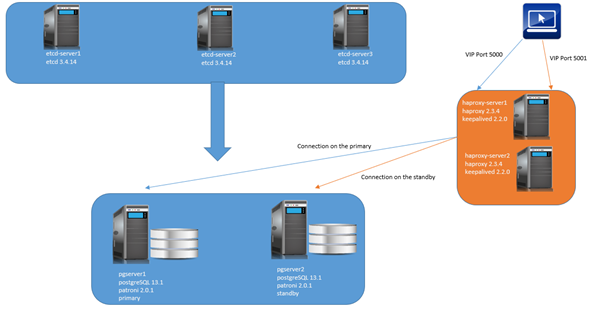
PostgreSQL High Availability: Patroni, Ectd , HAProxy , Keepalived

By Mouhamadou Diaw Patroni is one the most famous tool that can be used to setup a high avalaibilty for PostgreSQL. In this blog I am describing a test I did. Below the environment we will use The etcd cluster will contains 3 servers etcd-server1: 192.168.56.100 etcd-server2: 192.168.56.101 etcd-server3: 192.168.56.106 HAProxy and Keepalived will be configured in this 2 servers.… 

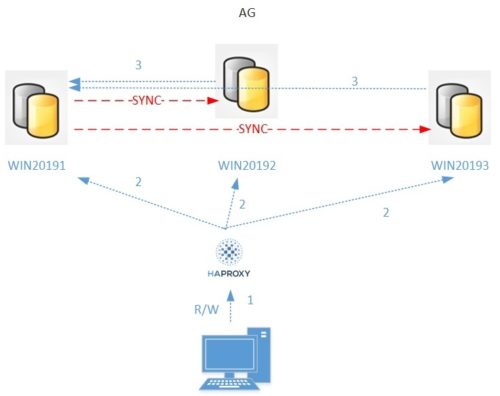
SQL Server 2019 availability group R/W connection redirection, routing mesh and load balancing

SQL Server 2019 availability group feature will provide secondary to primary replica read/write connection redirection. I wrote about it in a previous blog post here. It consists in redirecting client application connections to the primary replica regardless of the target server specified in the connections string. That’s pretty interesting in some scenarios as read scale-out or specific multi-subnet configurations where… 

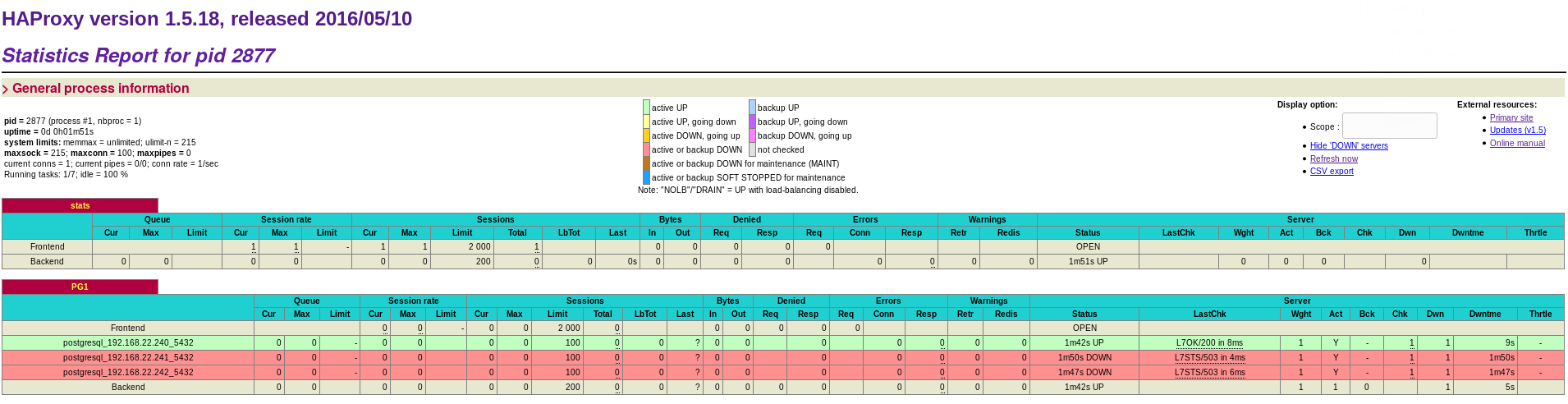
Using Ansible to bring up a three node Patroni cluster in minutes

Automation is key today, nobody wants to do the same tasks over and over and again. Cloud without automation is not even possible. There are several tools around that help with automation and one of the most popular is Ansible. We already have several posts about Ansible on our blog platform but this one will be rather long. Setting up… 

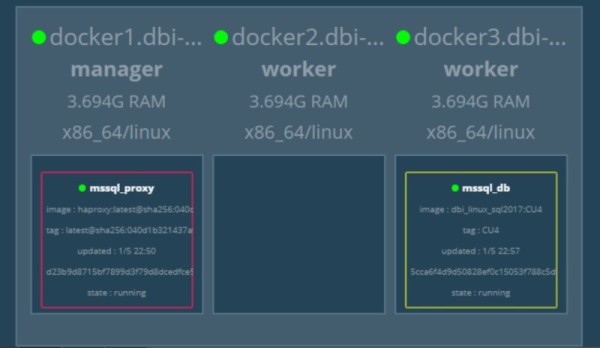
Load Balancing with Docker Swarm mode and SQL Server containers

Docker swarm mode provides an easy way to publish ports for services. Indeed, in this mode all nodes participate in an ingress routing mesh and accept connections to any service port published. Thus, all incoming requests are routed to available nodes hosting a service. That’s a pretty cool feature but it has some drawbacks. Let’s say that a node goes…