Skip to content

Cloudera

Creating and Using a Parcel Repository for Cloudera Manager

This blog post describes how to create a hosted Cloudera repository and use it in your Cloudera Manager deployment. The first step is to install a web server, which will host RPM packages and repodata. The common way, is to use an Apache web server. Installing Apache HTTPD service [cdhtest@edge ]$ sudo yum install httpd -y   Starting Apache HTTPD… 
Deploy a Cloudera cluster with Terraform and Ansible in Azure – part 3

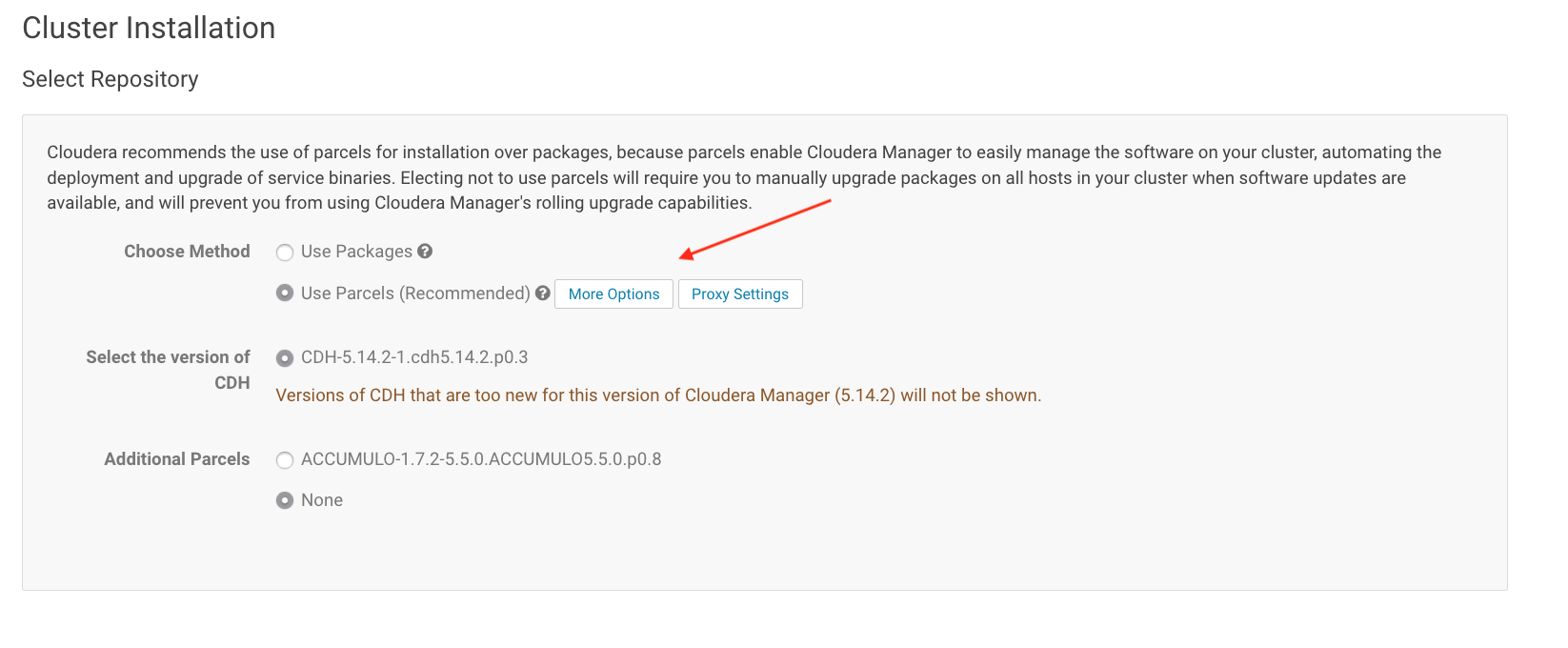
After the deployment step with Terraform and the configuration/installation with Ansible, we will continue the installation of our Cloudera cluster with Cloudera Manager. By following the below steps you will see how to install CDH on our hosts using Cloudera Manager. Connection First, Login to Cloudera manager URL. When you connect to C.M for the first time, you need to… 

Deploy a Cloudera cluster with Terraform and Ansible in Azure – part 2

In this part of the blog posts series, we will show how ansible helps us to configure our cluster and install all pre-requisite needed for Cloudera Manager. Ansible is one of the most important automation tools currently. Ansible will help us to configure all nodes for a manual installation using Cloudera Manager. Our playbook will contain the following roles: cm_repo:… 

Deploy a Cloudera cluster with Terraform and Ansible in Azure – part 1

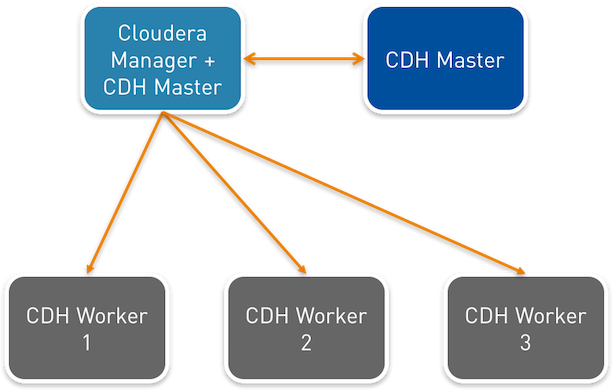
Deploying a Cloudera distribution of Hadoop automatically is very interesting in terms of time-saving. Infrastructure as Code tools such as Ansible, Puppet, Chef, Terraform, allow now to provision, manage and deploy configuration for large clusters. In this blog posts series, we will see how to deploy and install a CDH cluster with Terraform and Ansible in the Azure cloud. The…