Skip to content

Database

Everything our consultants learn while running databases for customers: Oracle, PostgreSQL, SQL Server, MySQL, MariaDB, MongoDB and Delphix. Expect hands-on posts about installation, day-to-day administration, backup and recovery, performance tuning, replication and upgrades.

20c: AWR now stores explain plan predicates

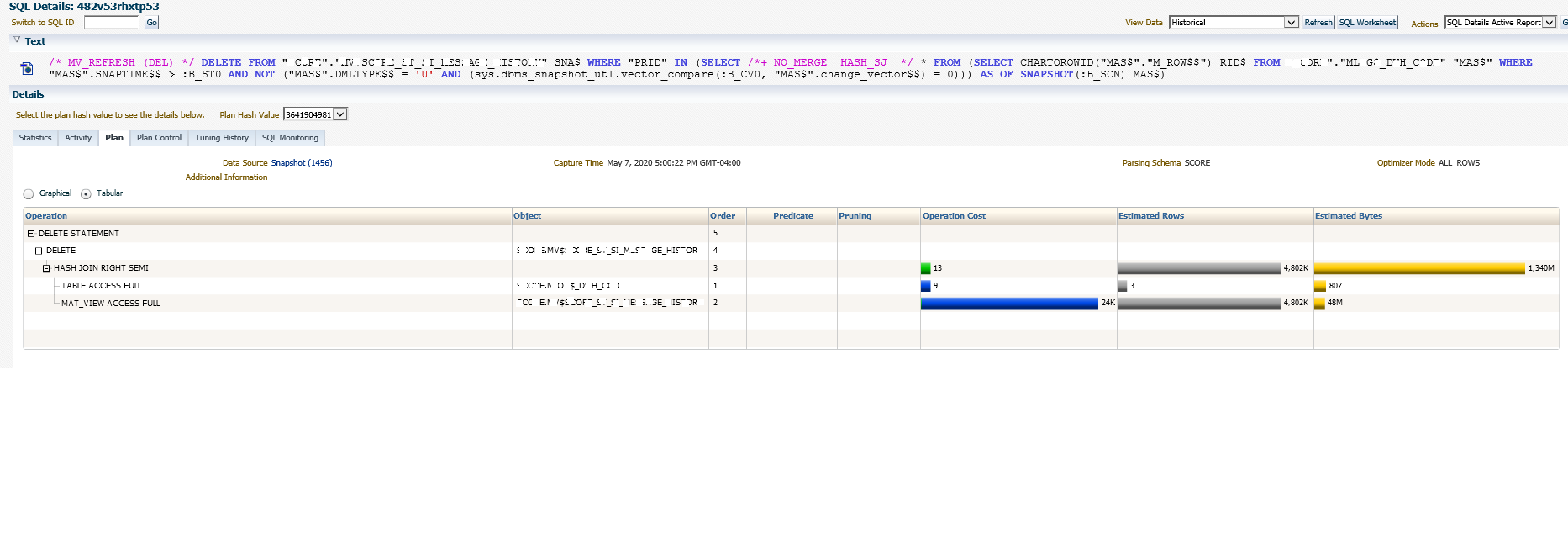
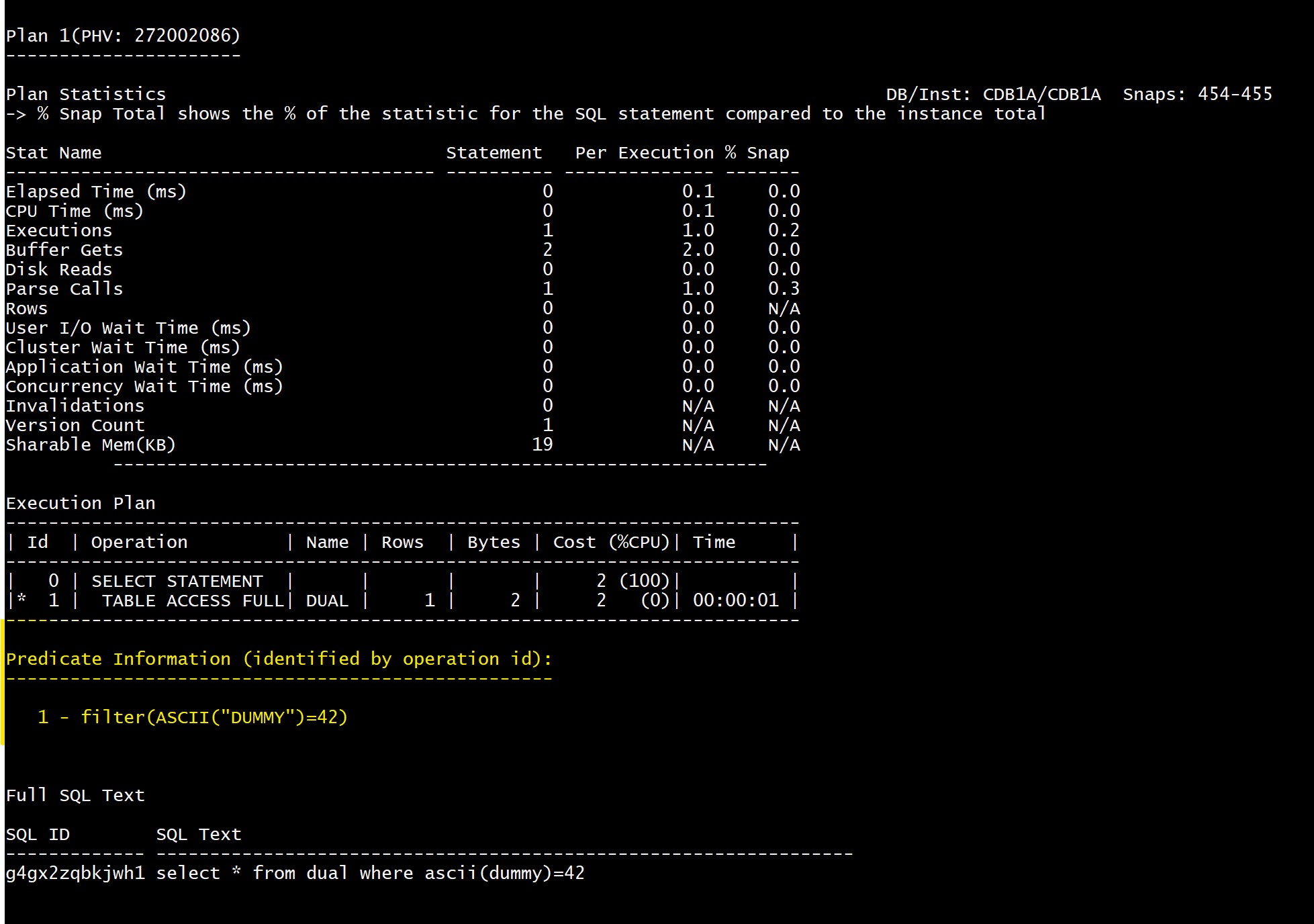
By Franck Pachot . In a previous post https://www.dbi-services.com/blog/awr-dont-store-explain-plan-predicates/ I explained this limitation in gathering filter and access predicates by Statspack and then AWR because of old bugs about reverse parsing of predicates. Oracle listens to its customers through support (enhancement requests), though the community (votes on database ideas), and through the product managers who participate in User Groups and… 
SQL Server 2019: Copy files through SQL Server

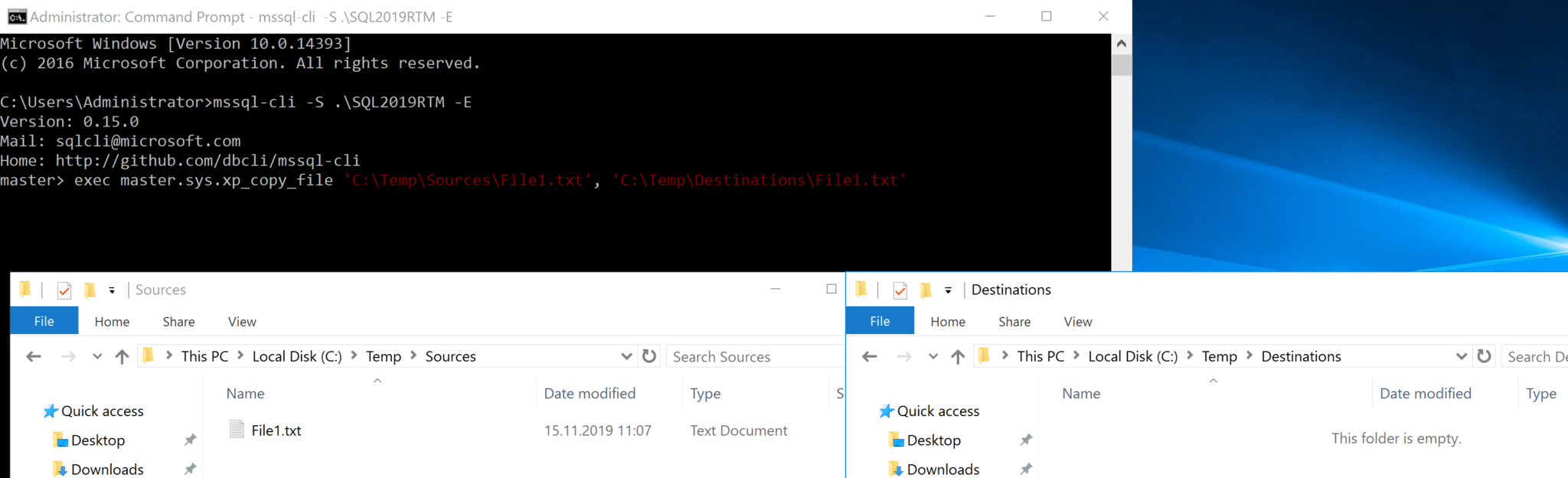
Three new interesting extended stored procedures comes with SQL Server 2019. I was very interested to discover these new store procedures: Sys.xp_copy_file is to copy a specific files from a folder to another Syntax: exec master.sys.xp_copy_file ‘source folder+file’, ‘destination folder+file’ Example: exec master.sys.xp_copy_file ‘C:\Temp\Sources\File1.txt’, ‘C:\Temp\Destinations\File1.txt’ Before the command: After the command: As you can see in my test, you will… 

How to install MABS (Microsoft Azure Backup Server) and use it to protect on-premise virtual machines

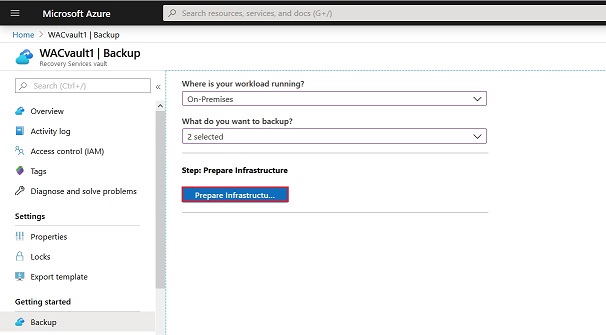
During my last blog-posts I tested the MARS (Microsoft Azure Recovery Service) through Windows Admin Center and how to use Azure Backup to recover files/folders or System State for protected servers. To continue my Azure protection possibilities overview I will today installed a MABS on one of my virtual on-premise server and uses it to protect my others virtual on-premises… 

Oracle Materialized View Refresh : Fast or Complete ?

In contrary of views, materialized views avoid executing the SQL query for every access by storing the result set of the query. When a master table is modified, the related materialized view becomes stale and a refresh is necessary to have the materialized view up to date. I will not show you the materialized view concepts, the Oracle Datawarehouse Guide… 

Handle DB-Links after Cloning an Oracle Database

By Clemens Bleile After cloning e.g. a production database into a database for development or testing purposes, the DBA has to make sure that no activities in the cloned database have an impact on data in other production databases. Because after cloning production data jobs may still try to modify data through e.g. db-links. I.e. scheduled database jobs must not… 

APEX Connect 2020 – Day 1

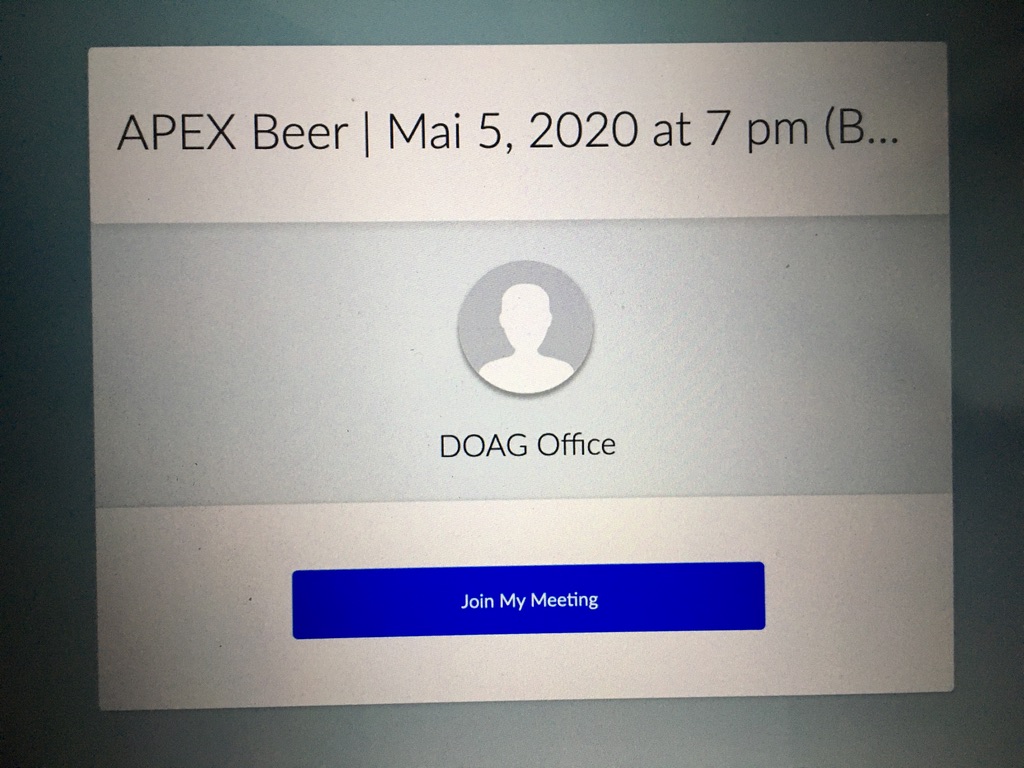
This year the APEX connect conference goes virtual online, like all other major IT events, due to the pandemic. Unfortunately it spans only over two days with mixed topics around APEX, like JavaScript, PL/SQL and much more. After the welcome speech and the very interesting Keynote about “APEX 20.1 and beyond: News from APEX Development” by Carsten Czarski, I decided… 

The evolution of MySQL authentication mechanism

The authentication, the first level of security for each IT system, is the stage to verify the user identity through the basic username and password scheme. It is crucial to have a mechanism to protect and secure password storing and transmitting over network. In MySQL, there is plenty of different authentication methods available, and last versions improved the security of… 

The myth of NoSQL (vs. RDBMS) agility: adding attributes

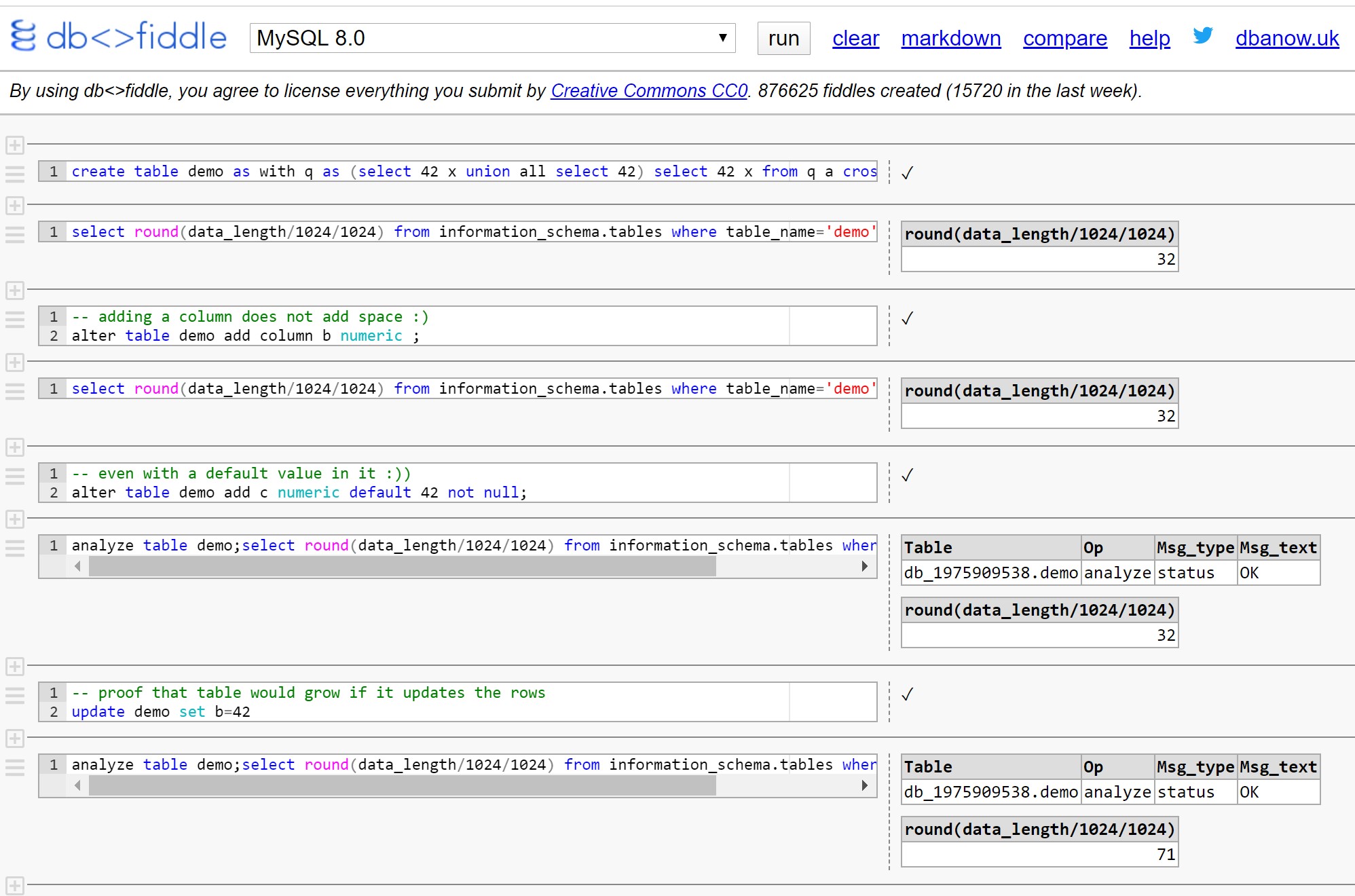
By Franck Pachot . There are good reasons for NoSQL and semi-structured databases. And there are also many mistakes and myths. If people move from RDBMS to NoSQL because of wrong reasons, they will have a bad experience and this finally deserves NoSQL reputation. Those myths were settled by some database newbies who didn’t learn SQL and relational databases. And,… 

Terraform and Oracle Cloud Infrastructure

Introduction When you learn a cloud technology, like OCI, the one from Oracle, you start building your demo infrastructure with the web interface and numerous clicks. It’s convenient and easy to handle, even more if you’re quite used to infrastructure basics: network, routing, firewalling, servers, etc. But when it comes to build complex infrastructures with multiple servers, subnets, rules, databases,… 

Control-M/EM Configure GUI display to dissociate each environment

Hi everybody, today this quick topic will show us how to dissociate easily your different Control M environments Introduction In your daily activity on Control M, you may work on many Control M servers with different level of criticality For example, you can perform tasks on production environment and on a testing environment but changes on your Control M GUI… 

Migrating From Oracle Non-CDB 19c to Oracle 20c

By Mouhamadou Diaw With Oracle 20c, the non-multitenant architecture is no longer supported. So, people will have to migrate their databases to container if they want to use Oracle 20c. There are many methods to transform a non-cdb database to a pluggable one. -Datapump -Full Trabsportable Tablespaces -Plugging non-cdb database , upgrade the plugged database and then convert -Upgrading the… 

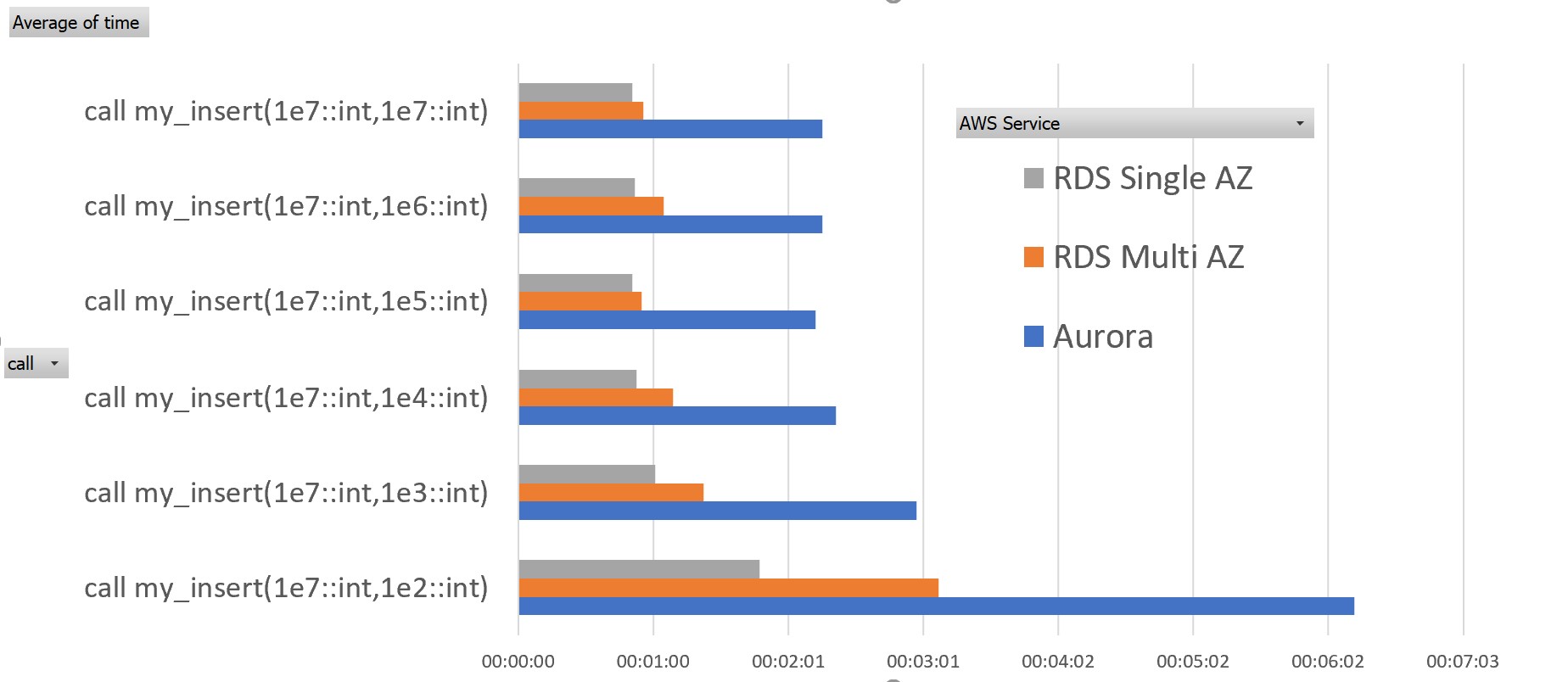
AWS Aurora vs. RDS PostgreSQL on frequent commits

This post is the second part of https://www.dbi-services.com/blog/aws-aurora-xactsync-batch-commit/ where I’ve run row-by-row inserts on AWS Aurora with different size of intermediate commit. Without surprise the commit-each-row anti-pattern has a negative effect on performance. And I mentioned that this is even worse in Aurora where the session process sends directly the WAL to the network storage and waits, at commit, that…