Skip to content

Open source Team

Posts published under the Open source Team account are collective contributions by the dbi services open infrastructure consultants. The practice covers open-source databases and platforms, PostgreSQL first of all, along with MySQL, MariaDB, and Linux, from architecture, replication, and high availability to performance tuning and operations under service level agreements, and contributes actively to the PostgreSQL community.

721 posts since September 2011

Some psql features you are maybe not aware of

It is the time of The 10th Annual PostgreSQL Conference Europe, so this is the perfect time to blog about some tips and tricks around psql you’ll love. psql is such a powerful tool that you really should use it every day. It saves you so much work and is packed with features that makes your life so much easier.… 

Getting started with Red Hat Satellite – Initial configuration

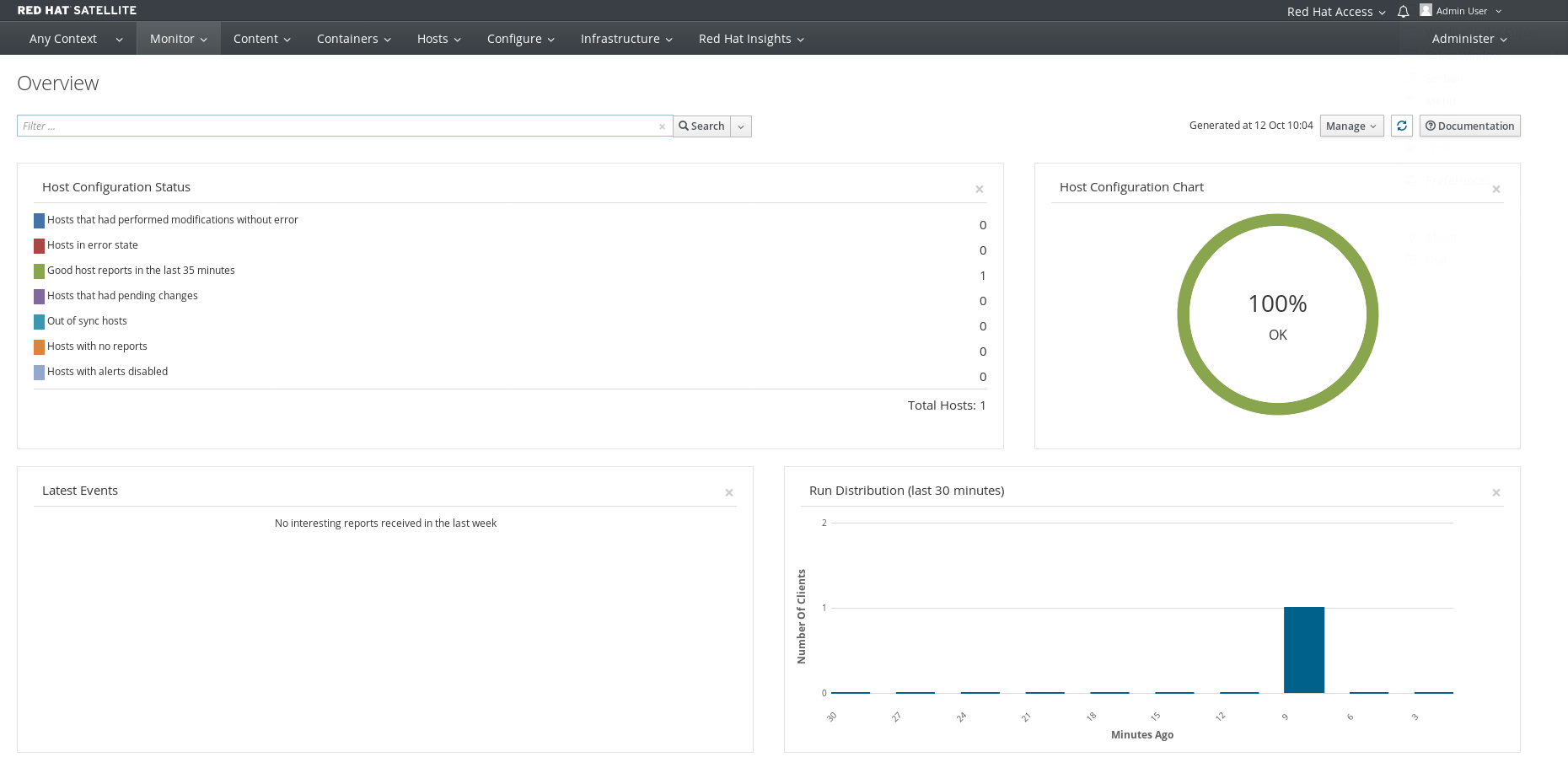
In the last post it was all about the Installation of Red Hat Satellite and the components that are used under the hood. In this post it is about doing the initial configuration so that packages can be synchronized from the Red Hat content network and subscriptions are available to be consumed by clients. This requires some initial tasks to… 

Getting started with Red Hat Satellite – Installation

This is the start of a series of posts I wanted to write for a long time: Getting started with Red Hat Satellite. Just in case you don’t know what it is, this statement from the official Red Hat website summarizes it quite well: “As your Red Hat® environment continues to grow, so does the need to manage it to… 

Deploy a MySQL Server in Docker containers

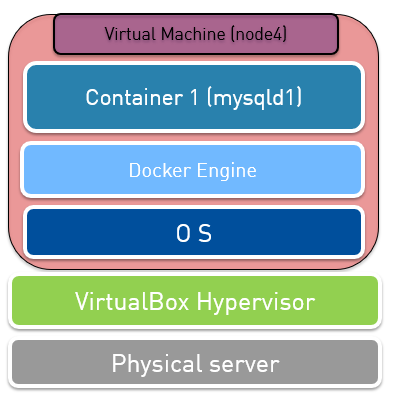
We hear about Docker every day. By working on MySQL Server, I am curious to test this platform which makes it possible to create containers independent of the OS to deploy virtualized applications. So let’s try to deploy a MySQL Server with Docker! Here is the architecture we will put in place: So we will run a Docker container for… 

EDB containers for OpenShift 2.3 – PEM integration

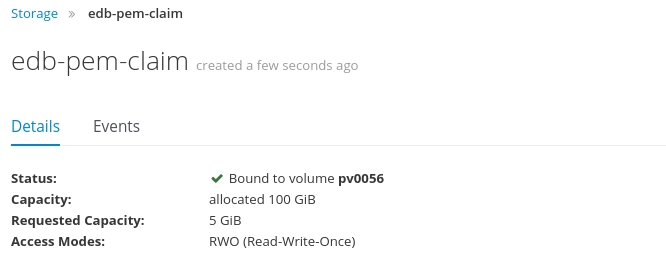
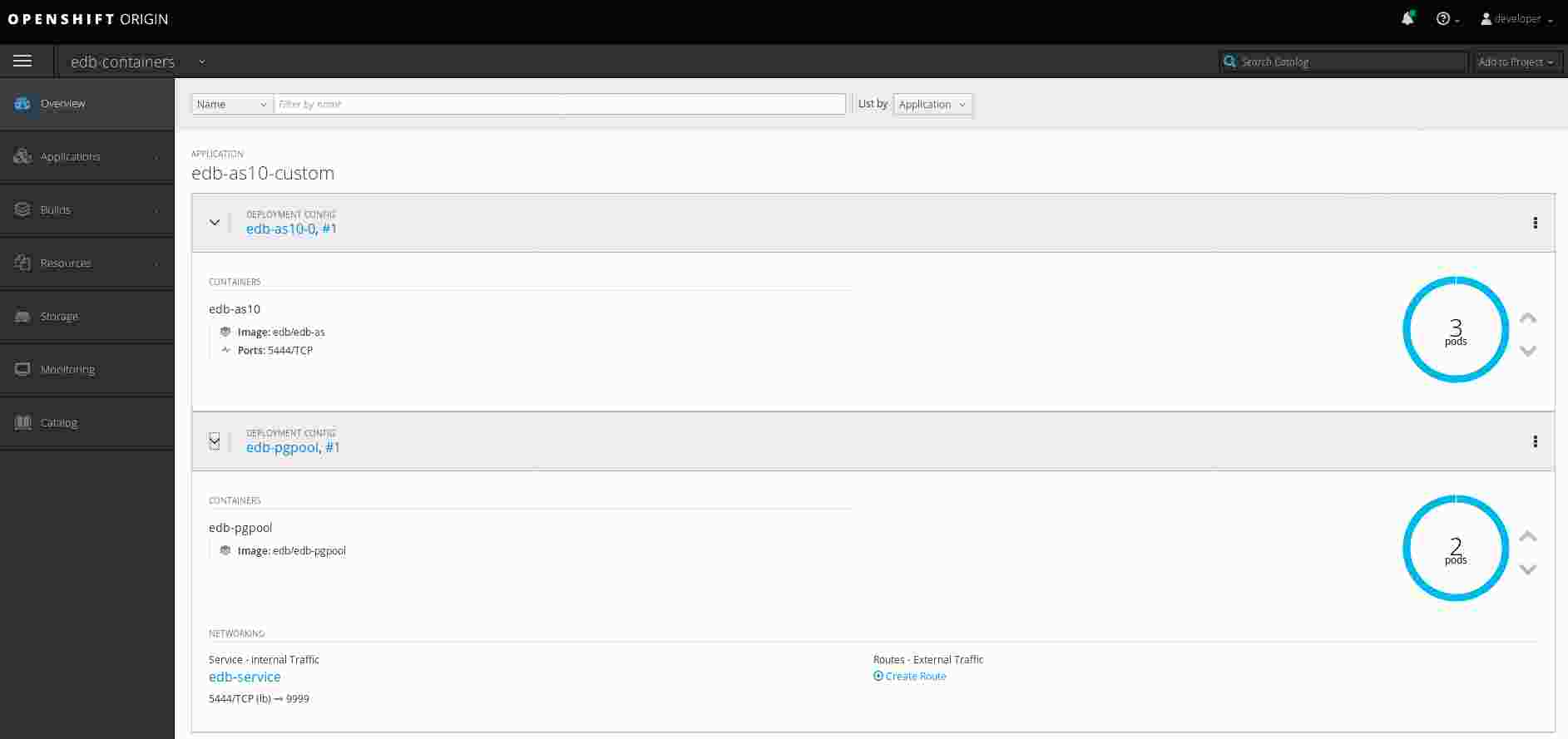
This blog refers to an older version of EDB’s Postgres on Kubernetes offering that is no longer available. A few days ago EnterpriseDB announced the availability of version 2.3 of the EDB containers for OpenShift. The main new feature in this release is the integration of PEM (Postgres Enterprise Manager), so in this post we’ll look at how we can… 

Using the managed PostgreSQL service in Azure

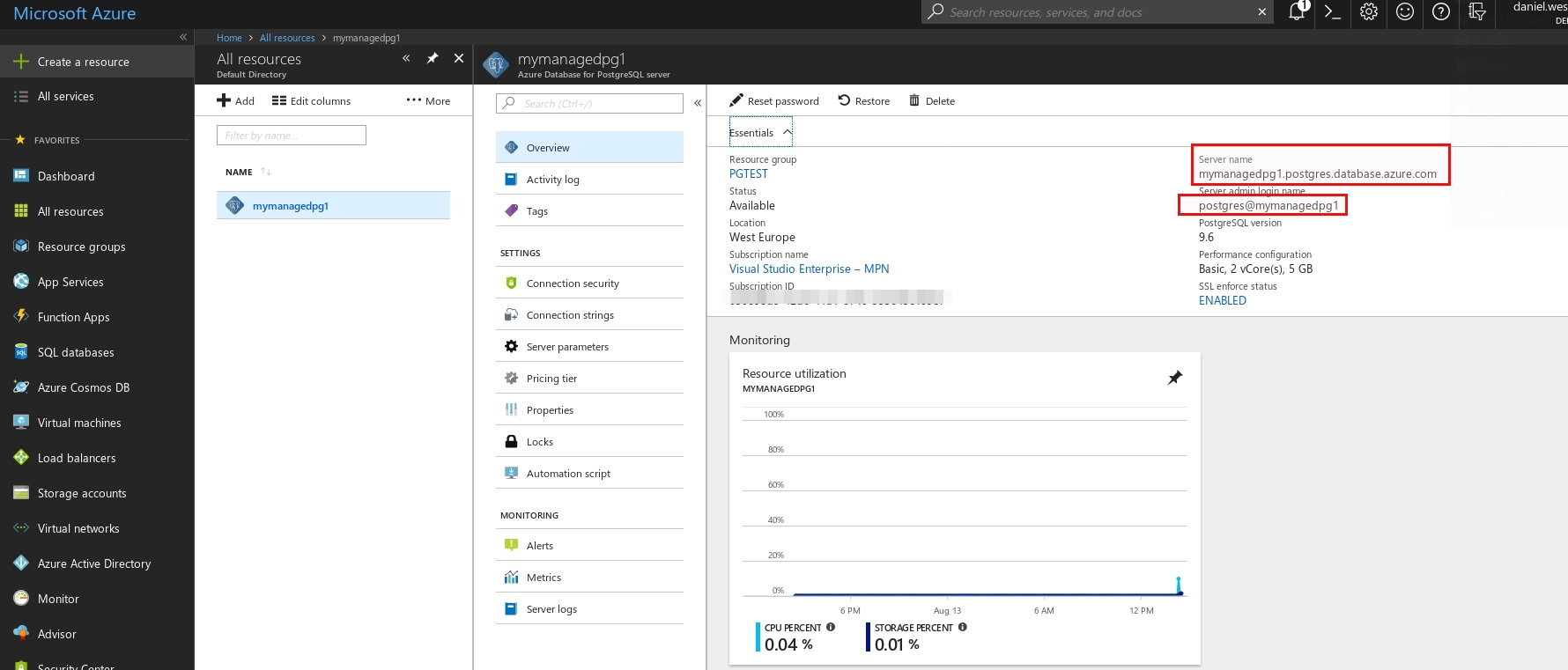
In the last post we had a look on how you can bring up a customized PostgreSQL instance in the Azure cloud. Now I want to check what you can do with the managed service. For the managed service I am expecting that I can bring up a PostgreSQL quite easily and fast and that I can add replicas on… 

Bringing up your customized PostgreSQL instance on Azure

The Azure cloud becomes more and more popular so I gave it try and started simple. The goal was to provision a VM, compiling and installing PostgreSQL and then connecting to the instance. There is also a fully managed PostgreSQL service but I wanted to do it on my own just to get a feeling about the command line tools.… 

Backing up and restoring EDB containers in MiniShift/OpenShift

This blog refers to an older version of EDB’s Postgres on Kubernetes offering that is no longer available. The last blogs in the series are already some days old: Setting up MiniShift, Deploying EDB containers in MiniShift/OpenShift, Customizing PostgreSQL parameters in EDB containers in MiniShift/OpenShift, Scaling the EDB containers in MiniShift/OpenShift, EDB Failover Manager in EDB containers in Minishift/OpenShift and…