Skip to content

index

Alfresco – Documents are searchable only after 3min

I had a case at a customer recently where newly uploaded documents into Alfresco would always be searchable but only after 2min45s to 3min. The environment in question is an Alfresco Content Services 7.1 with High Availability (Repository and Share Clustering, Solr Sharding on multi-nodes, …) used for QA/TEST. It’s an ongoing project to upgrade an Alfresco 6.1 to 7.1… 

Elastic (ELK) Stack – Elasticsearch Terminologies

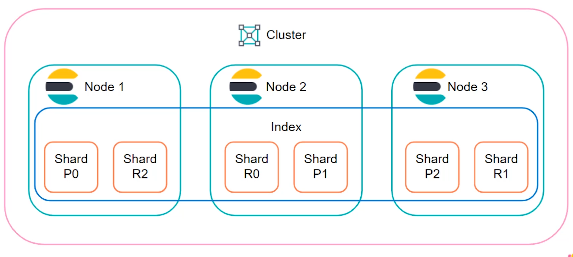
In a previous blog, we got an overview on Elastic Stack (Elasticsearch, Logstash, Kibana, and Beets), in next blogs I will go through all these components to understand them, today we will go more in deep in Elasticsearch the heart of Elastic Stack. To really discover Elasticsearch we need to understand the below concepts and terminologies: Node Is a single… 

DynamoDB / Aurora: sparse and partial indexes

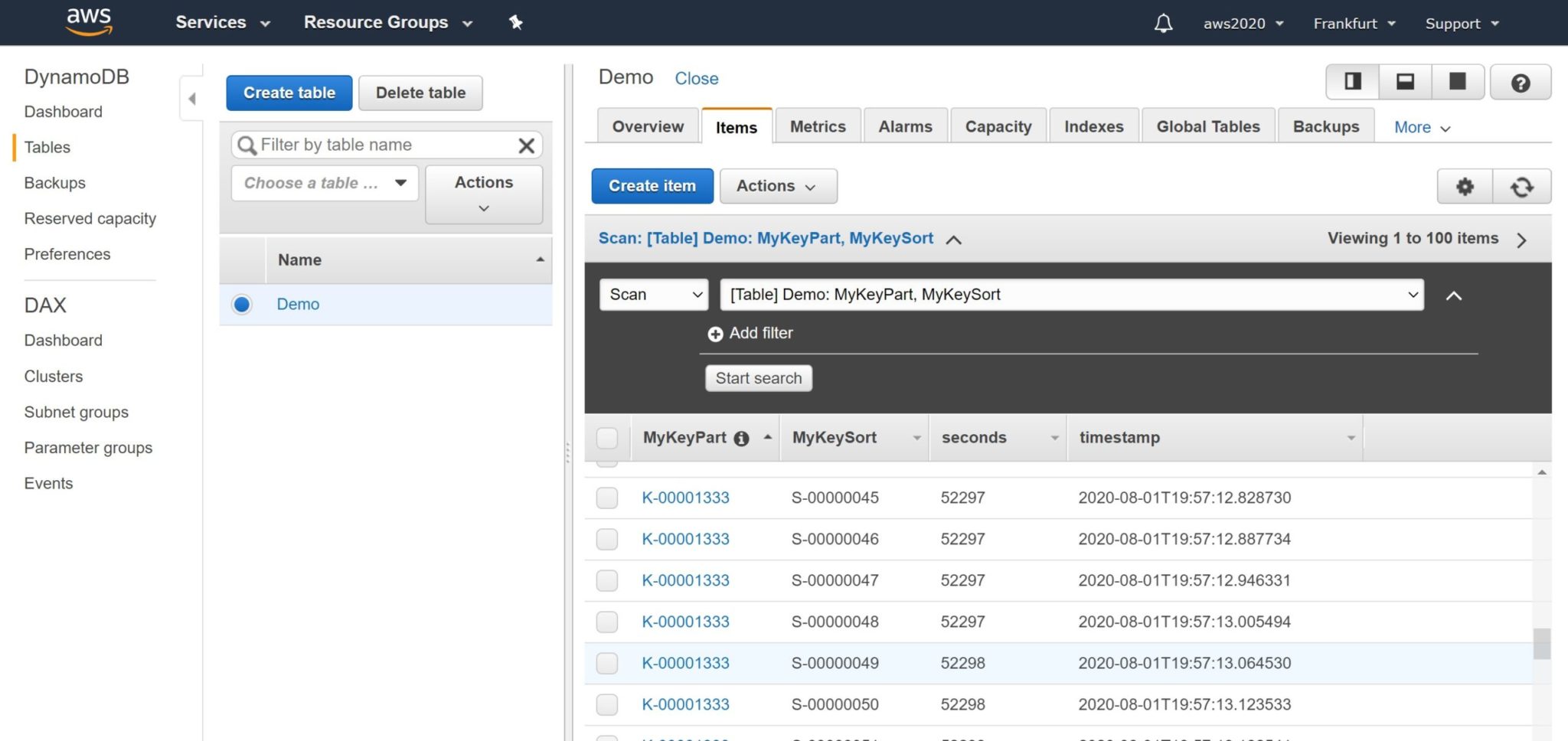
By Franck Pachot . In a previous post I tried to build a glossary about Amazon DynamoDB terms that look like relational database terms, but with a different technical meaning. Here is more about it. If you work with AWS Databases and frequently switch between DynamoDB and Aurora, or other RDS databases, you may be confused by the same terms… 

Amazon DynamoDB: a r(el)ational Glossary

By Franck Pachot . There are many NoSQL databases. And, because SQL is an ISO standard, “No SQL” also means “No Standard”. Many have a similar API and similar objects, but with completely different names. Today, NoSQL databases are used as an additional datastore for some well-defined use cases for which a hashed key-value store fits better than a relational… 

Amazon DynamoDB: the cost of indexes

By Franck Pachot . That’s common to any data structure, whether it is RDBMS or NoSQL, indexes are good to accelerate reads but slow the writes. This post explains the consequences of adding indexes in DynamoDB. Secondary Indexes What we call an index in DynamoDB is different from an index in RDBMS. They have the same goal: store your data… 

RDBMS (vs. NoSQL) scales the algorithm before the hardware

By Franck Pachot . In The myth of NoSQL (vs. RDBMS) “joins dont scale” I explained that joins actually scale very well with an O(logN) on the input tables size, thanks to B*Tree index access, and can even be bounded by hash partitioning with local index, like in DynamoDB single-table design. Jonathan Lewis added a comment that, given the name… 

Oracle non-linguistic varchar2 columns to order by without sorting

By Franck Pachot . Sorting data is an expensive operation and many queries declare an ORDER BY. To avoid the sort operation you can build an index as it maintains a sorted structure. This helps with Top-N queries as you don’t have to read all rows but only those from a range of index entries. However, indexes are sorted by… 

Oracle 12c – pre-built join index

By Franck Pachot . This post is part of a series of small examples of recent features. I’m running this in the Oracle 20c preview in the Oracle Cloud. I have created a few tables in the previous post with a mini-snowflake scheme: a fact table CASES with the covid-19 cases per country and day. And a dimension hierarchy for… 

DynamoDB: adding a Global covering index to reduce the cost

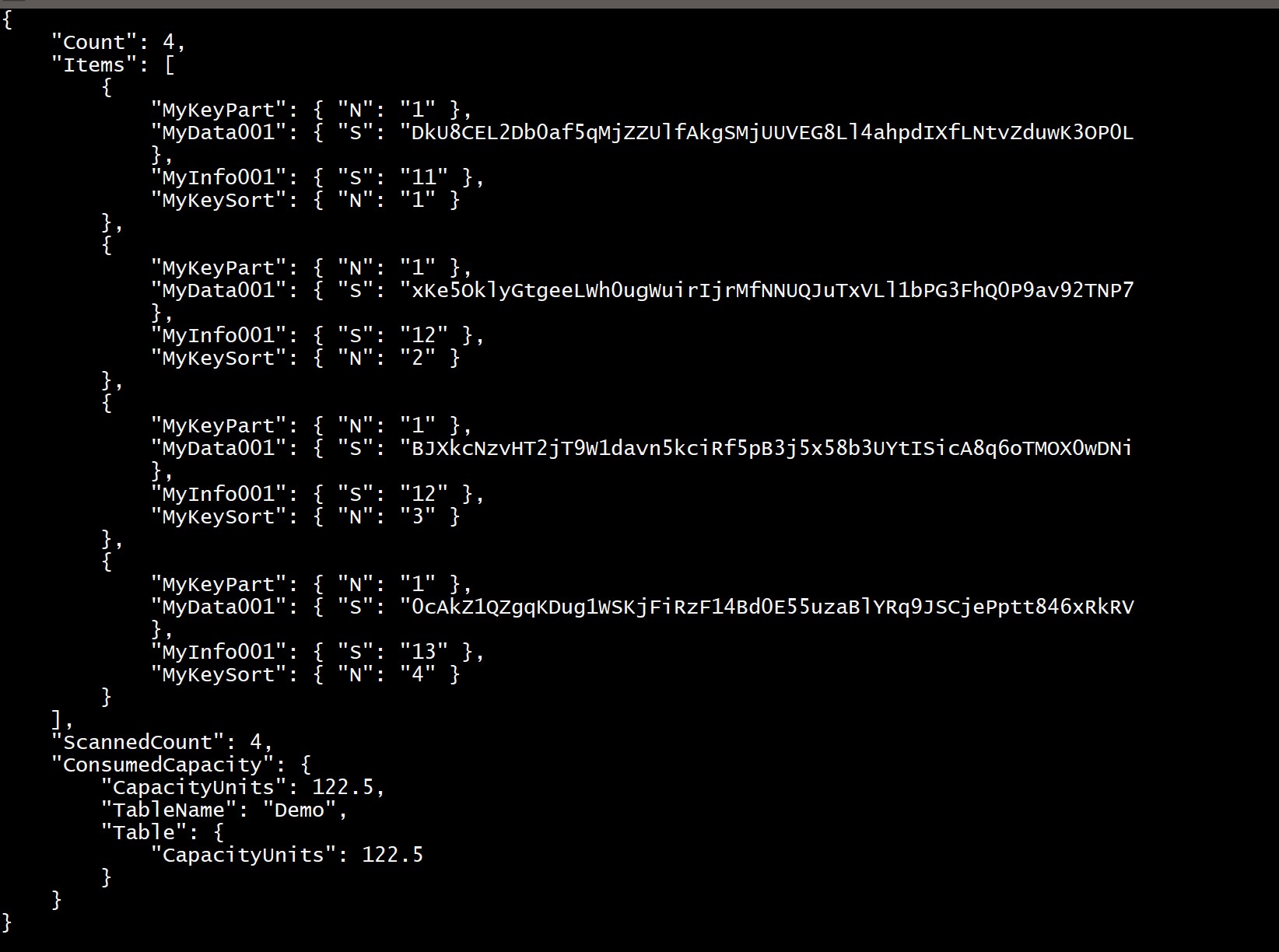
By Franck Pachot . People often think of indexes as a way to optimize row filtering (“get item” faster and cheaper). But indexes are also about columns (“attribute projection”) like some kind of vertical partitioning. In relational (“SQL”) databases we often add more columns to the indexed key. This is called “covering” or “including” indexes, to avoid reading the whole… 

Documentum – FT – FTIntegrity Tool

FTIntegrity is used to verify indexing after migration or to get a status after a normal indexing. The tool is a standalone Java program that verifies all types that are registered in the dmi_registry_table with the user dm_fulltext_index_user. By default, the utility compares the object ID and i_vstamp between the repository and xPlore. In this blog I will share with… 

Documentum – Large documents in xPlore indexing

Documentum is using xPlore for the Full Text indexing/search processes. If you aren’t very familiar with how xPlore is working, you might want to know how it is possible to index large documents or you might be confused about some documents not being indexed (and therefore not searchable). In this blog, I will try to explain how xPlore can be… 

Documentum – FT – Document not found using search from D2

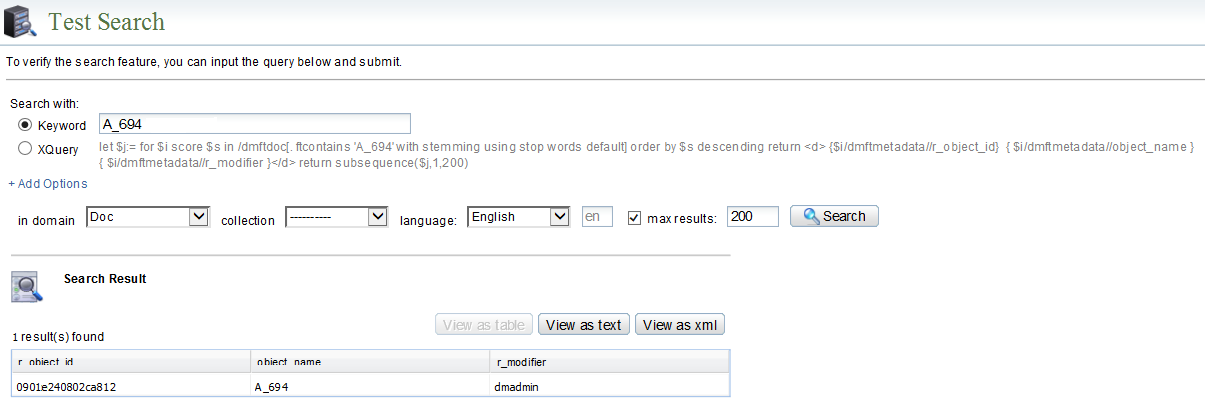
At a customer, I received an incident saying that on D2 a document is found by browsing and not found using normal search. The root cause seems to be easy: The Document isn’t indexed?! Not really, you will see it wasn’t easy to find 😉 1. Analysis When we have an issue to find a document, usually the problem is…