Skip to content

Google Cloud

Elasticsearch – Snapshot and Restore

No need to explain what is a snapshot and restore, how much they are important to any platform, software, database, aso. In this blog, I will show you how to take snapshots of your Elasticsearch cluster and how to restore. A snapshot is a backup of a running Elasticsearch cluster, it could be used to: Please note that this blog… 

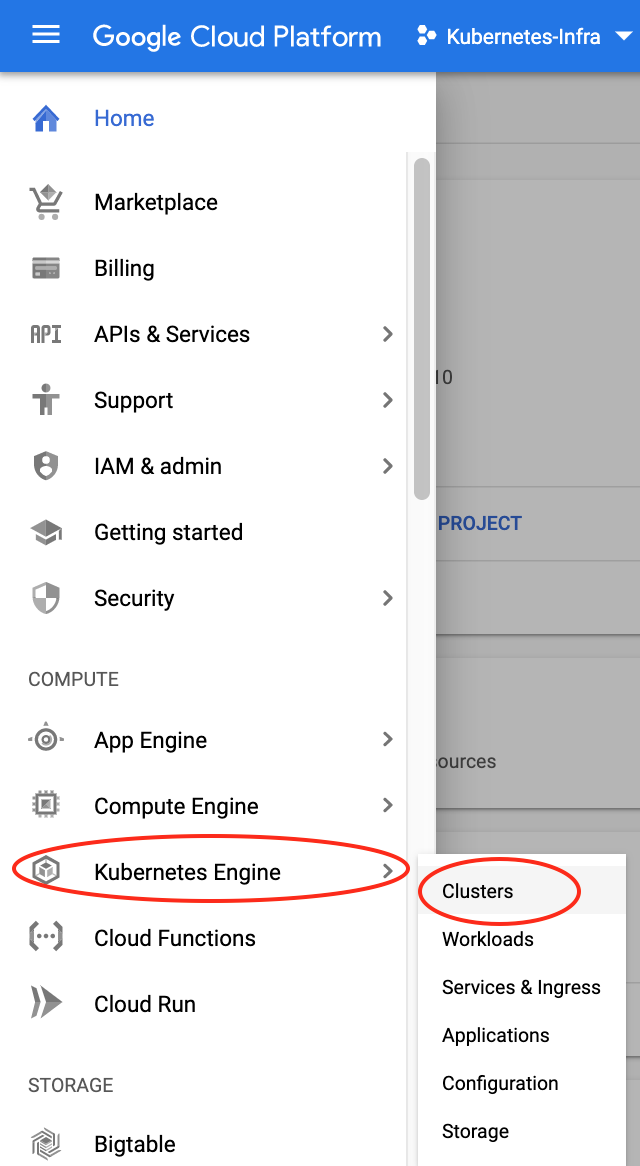
Create a Kubernetes cluster with Google Kubernetes Engine

Nowadays the market for cloud providers is very competitive. Large companies are fighting a very hard battle over the services they provide. Each offers a wide range of more or less identical products with specific features for each. In my point of view, having deployed Kubernetes clusters in several environments (Cloud and On-Premise), I pay particular attention to Google Cloud… 

Google Cloud Spanner – inserting data

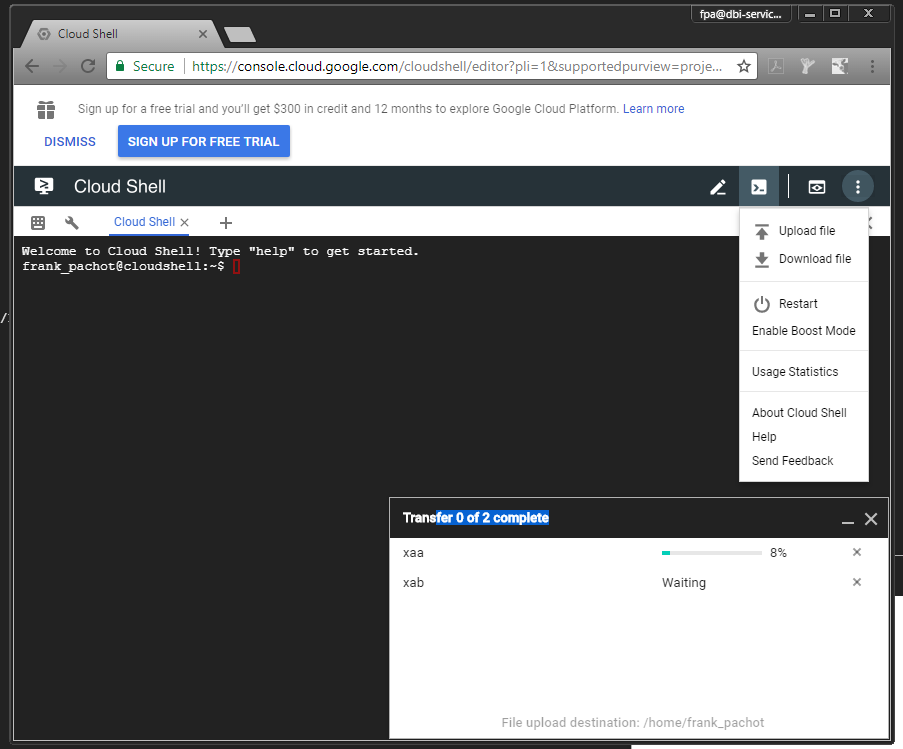
By Franck Pachot . In a previous post I’ve created a Google Cloud Spanner database and inserted a few rows from the GUI. This is definitely not a solution fo many rows and here is a post about using the command line. If I start the Google Shell from the icon on the Spanner page for my project, everything is… 

Google Cloud Spanner – no decimal numeric data types

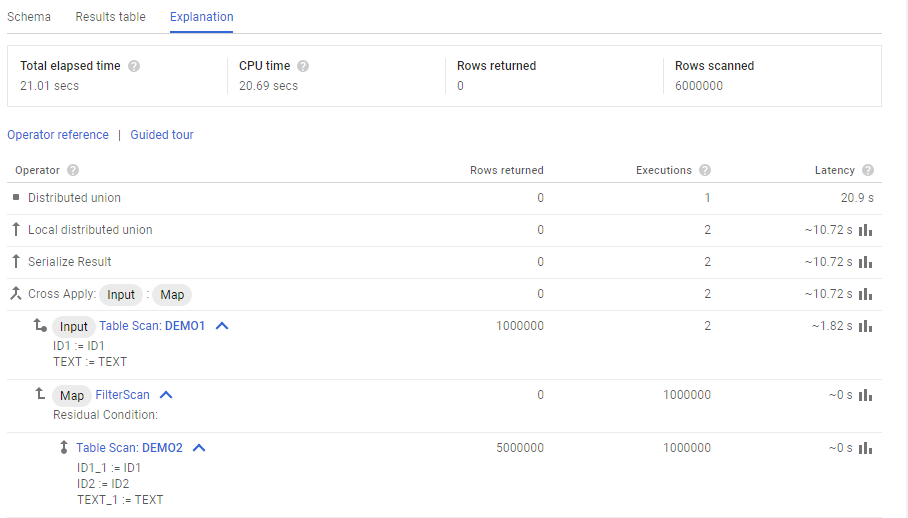
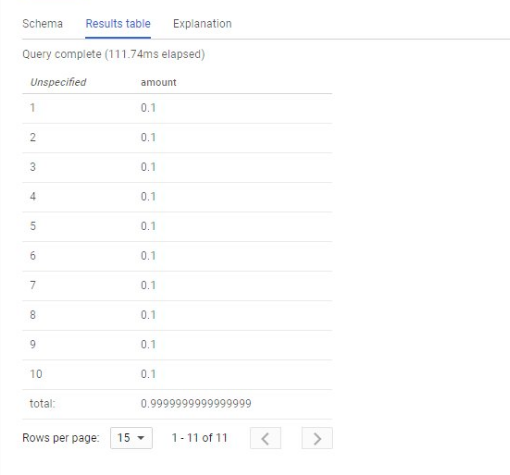
By Franck Pachot . Google Cloud Spanner is a distributed relational database focused on scalability without compromising consistency and integrity. It is available only as a managed service in Google Cloud. Basically, the idea is to keep the scalability advantages of NoSQL database (like Bigtable) but adding transactions, relational tables, SQL, structured data,… as in the relational databases we love… 

A free persistent Google Cloud service with Oracle XE

By Franck Pachot . In a previous post I’ve listed several free online services which run an Oracle XE so that you can test your SQL easily. You may want use Oracle XE further, with full access to the database and its host, and still from a web browser. You probably have a Google account. Then you also have a… 

Google Cloud Platform instances and Oracle Database

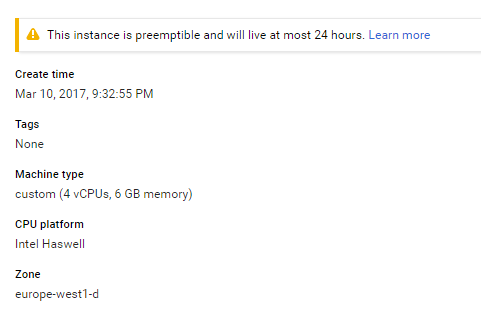
By Franck Pachot . When it comes to choose a cloud instance to run Oracle Database, you want to be able to run your workload on the minimum CPU cores. This is why in a previous post I measured how many logical reads per seconds can be achieved with a SLOB workload, on AWS which is often the first considered,…