Skip to content

EnterpriseDB

Installing EDB Advanced Server without EDB Repository

Almost all of us, who already installed Enterprise DB Tools on a Linux server know the procedure. You need to add the EDB Repository to your server or your Red Hat Satellite configuration and after that you can easily install the tools you need. But what happens, if you are not able to add the repository? The answer is really… 

Setup a two node Postgres HA Cluster using EDB Advanced Server and EFM

Some time ago I had a customer looking for a two node PostgreSQL Master/Replica solution. As we need Oracle compatibility in a later step, we decided to go with the EnterpriseDB tools. This article should give you an introduction on how to setup the environment. Prerequisites There are just some few things, that you need to prepare. You need (at… 

The EDB filter log extension

This is another post dedicated to EnterpriseDB Postgres. Sometimes you may want to get specific messages not getting logged to the server’s logfile or audit records. That might be specific error codes or, even more important, passwords you specify when you create users. EDB comes with a solution for that by providing an extension which is called EDB Filter Log.… 

Auditing with EDB Postgres Enterprise

It might be that there is a requirement to audit operations in the database. Maybe because of legal requirements, maybe because of security requirements or whatever. I’ve already written a post in the past describing what you can do in community PostgreSQL, this post is specific to EDB Postgres. The auditting features come be default in EDB Postgres and you… 

From Oracle to Postgres with the EDB Postgres Migration Portal

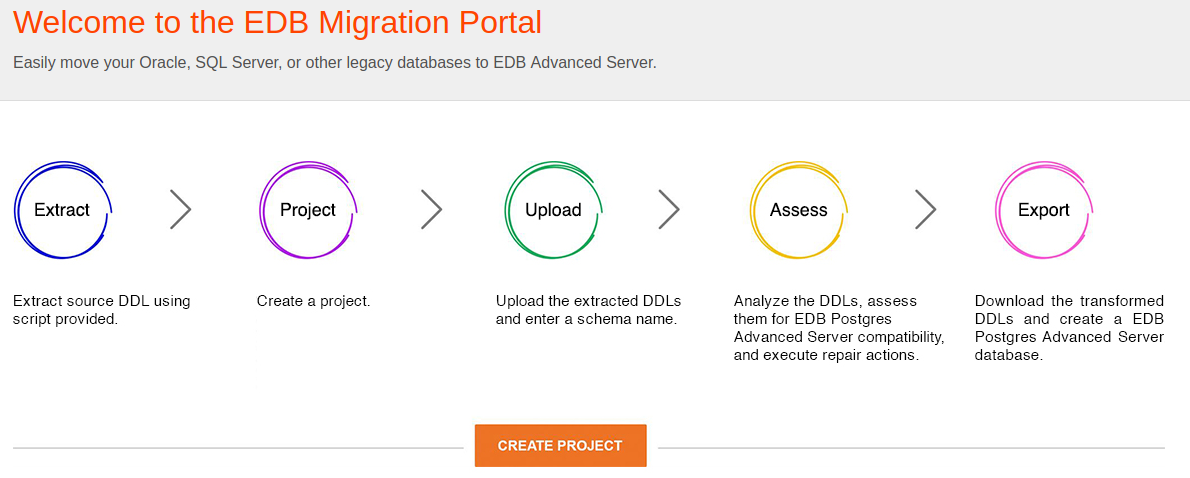
EnterpriseDB is a valuable actor in PostgreSQL’s world. In addition to provide support, they also deliver very useful tools to manage easily your Postgres environments. Among these we can mention EDB Enterprise Manager, EDB Backup & Recovery Tool, EDB Failover Manager, aso… With this post I will present one of the last in the family, EDB Postgres Migration Portal, a… 

What’s new in EDB EFM 3.1?

Beginning of this month EnterpriseDB announced a new version of its Failover Manager. Version 2.1 introduced controlled switchover operations, version 3.0 brought support for PostgreSQL 10 and now: What’s new in version 3.1? It might seem this is just a bugfix release but there is more and especially one enhancement I’ve waited for a long time. As you might remember:… 

EDB Failover Manager in EDB containers in Minishift/OpenShift

This blog refers to an older version of EDB’s Postgres on Kubernetes offering that is no longer available. In the last three posts we deployed an EDB database container and two pgpool instances, scaled that up to include a read only replica and finally customized the PostgreSQL instance with ConfigMaps. In this post will we look at how the EDB… 

Customizing PostgreSQL parameters in EDB containers in MiniShift/OpenShift

This blog refers to an older version of EDB’s Postgres on Kubernetes offering that is no longer available. In the last two posts we deployed an EDB database container and two pgpool instances and then scaled that up to include a read only replica. In this post will use a ConfigMap to adjust parameters in postgresql.conf as you will probably… 

Deploying EDB containers in MiniShift/OpenShift

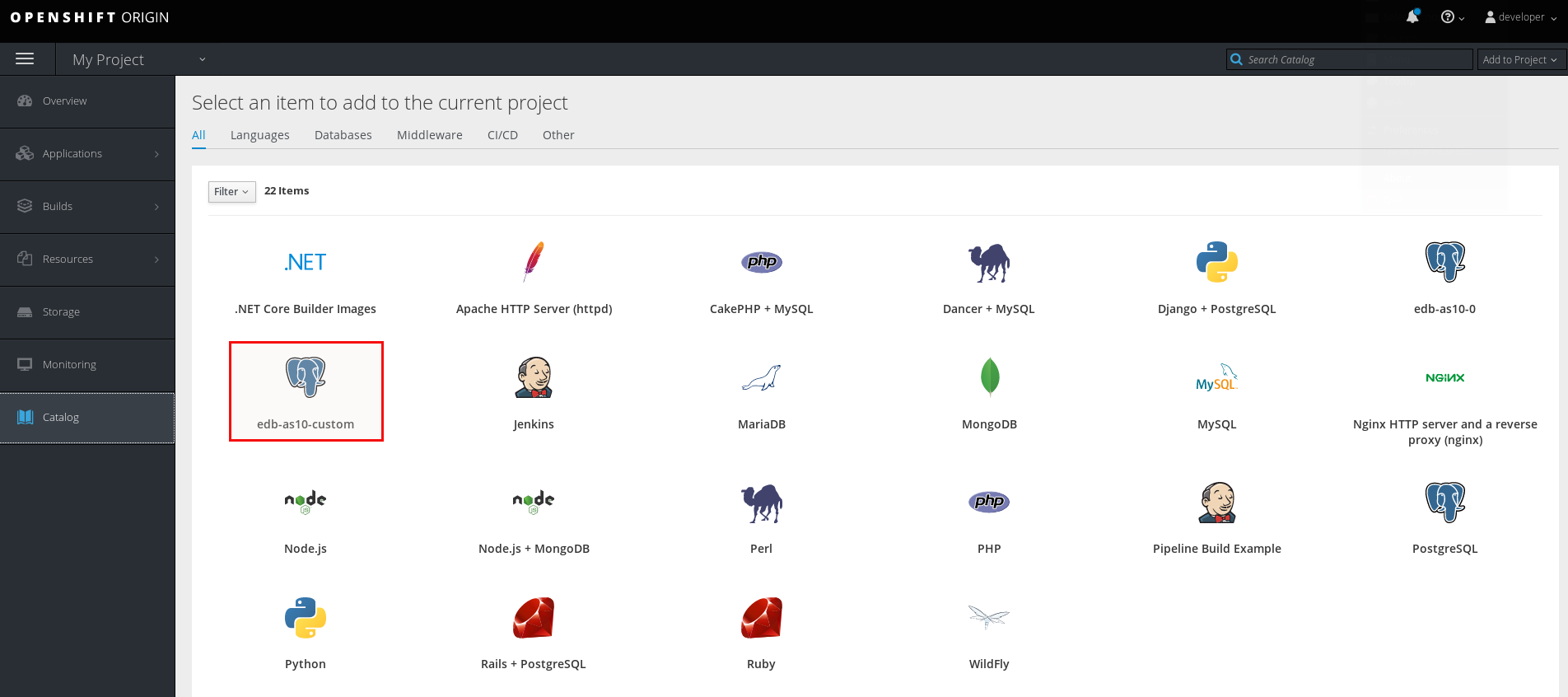
This blog refers to an older version of EDB’s Postgres on Kubernetes offering that is no longer available. In this post we’ll look at how we can deploy EnterpriseDB containers in MiniShift. When you need to setup MiniShift have a look here. In this post we’ll do the setup with the MiniShift console, in a next post we’ll do the… 

A first look at EDB Postgres Enterprise Manager 7 beta

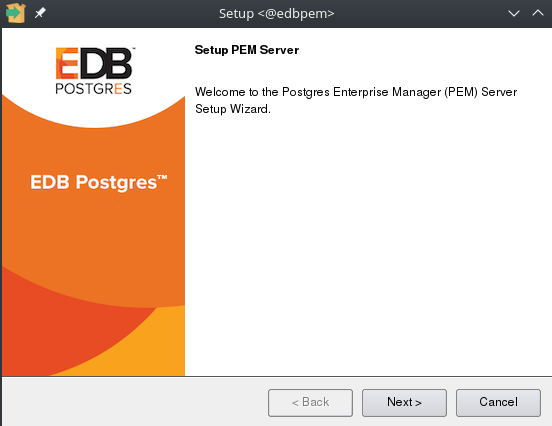
In case you missed it: EnterpriseDB has released the beta of Postgres Enterprise Manager 7 beta. When installation is as easy as for the current version that should just be a matter of clicking next, lets see. Because the installer will create the systemd services installation should be done as root: [root@edbpem tmp]$ ls -l total 289076 -rw-r–r–. 1 root…