Skip to content

Cluster

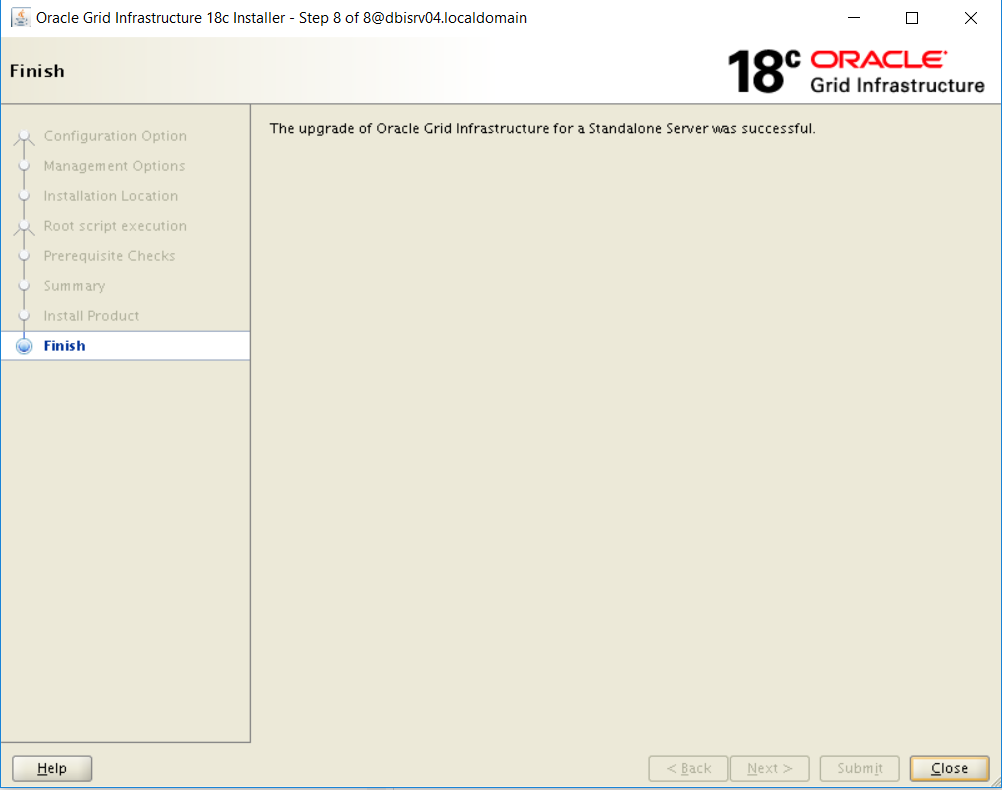
How to migrate Grid Infrastructure from release 12c to release 18c

Oracle Clusterware 18c builds on this innovative technology by further enhancing support for larger multi-cluster environments and improving the overall ease of use. Oracle Clusterware is leveraged in the cloud in order to provide enterprise-class resiliency where required and dynamic as well as online allocation of compute resources where needed, when needed. Oracle Grid Infrastructure provides the necessary components to… 
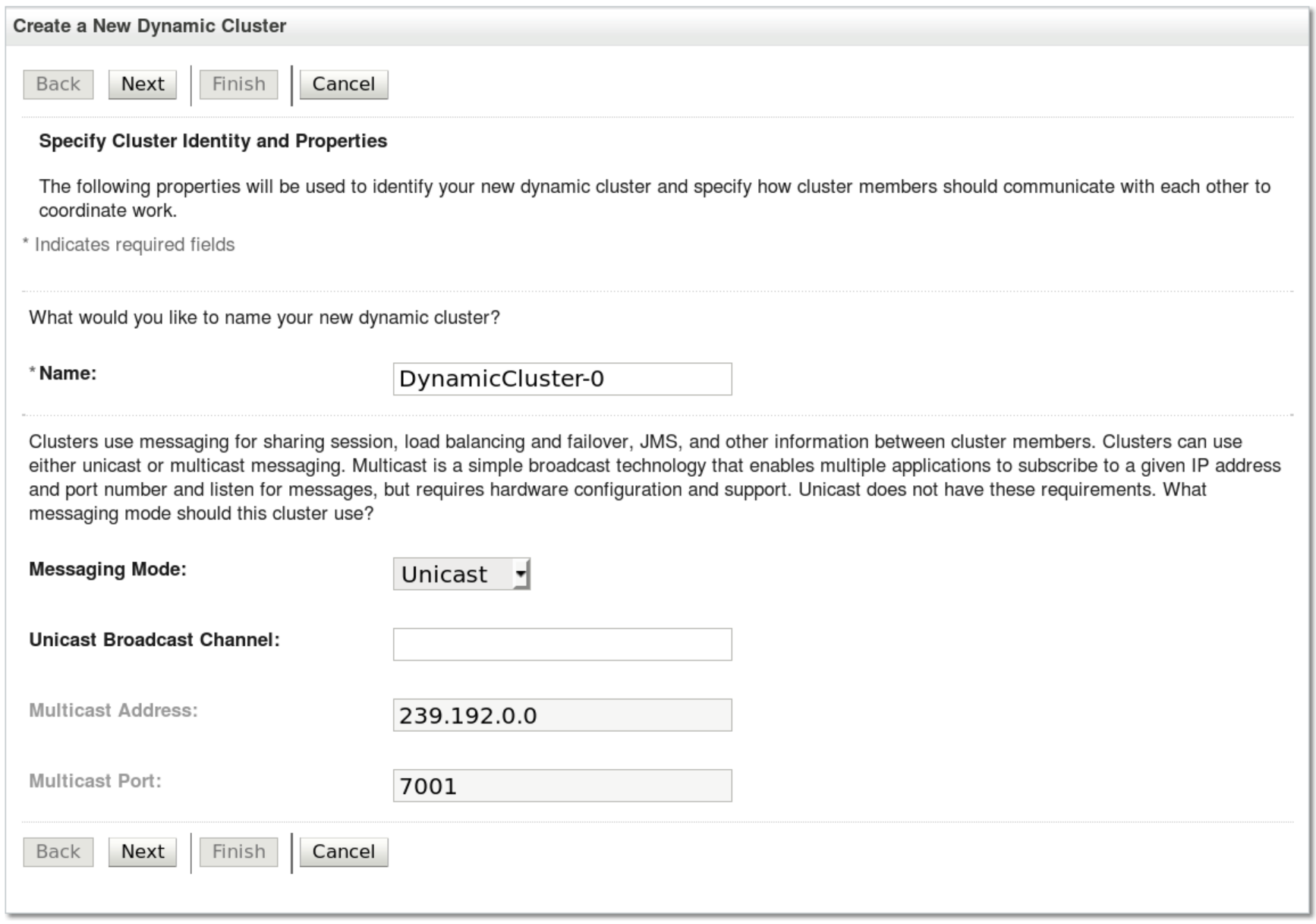
Convert a WebLogic Cluster from configured to dynamic

Unless the servers in cluster are not symmetric, which is not recommended anyway, dynamic cluster have many advantages against configured cluster:

Ensure Cluster Member Uniformity
Easily add new servers to manage more traffic
Automatically adapt to load to add/remove managed servers
Can still contain configured servers even if not recommended as for point 1

New installed Fusion Middleware 12C Reports or Forms WebLogic Servers fails to start after configuring SSL

We installed a Fusion Middleware report and Forms 12.2.1.2.0 on a Linux Server. This was a single node Reports and Forms servers. After disabling the Non SSL Listen Port, we get below error in logs while starting the Managed Server with only SSL ports enabled. ####<Oct 27, 2017, 2:38:23,265 PM CEST> <Info> <Deployer> <host01.example.com> <WLS_FORMS> <[ACTIVE] ExecuteThread: ‘1’ for queue:… 

WebLogic – Cannot register for disconnect events on local server

When working with WebLogic, there will probably be a moment when you will ask yourself: damn, what is wrong? Nowadays, software are so complex that it is kind of easy to introduce bugs/non-wanted behaviors in them… In this blog, I will present a small thing that just blew my mind when I faced it: I had a fully working WLS… 

Prochaine édition des 24 HOP 2017 francophone

La prochaine édition du 24 Hours of PASS 2017 edition francophone se déroulera les 29-30 juin prochain. Pour rappel le format est simple: 24 webinars gratuits répartis sur 2 jours de 07:00 à 18h00 GMT et en Français. La seule obligation: s’inscrire aux sessions auxquelles vous assisterez. Cela vous permettra également de récupérer l’enregistrement vidéo si vous voulez la visionner à nouveau… 

Introducing high-availability and multi-subnet scenarios with SQL Server on Linux

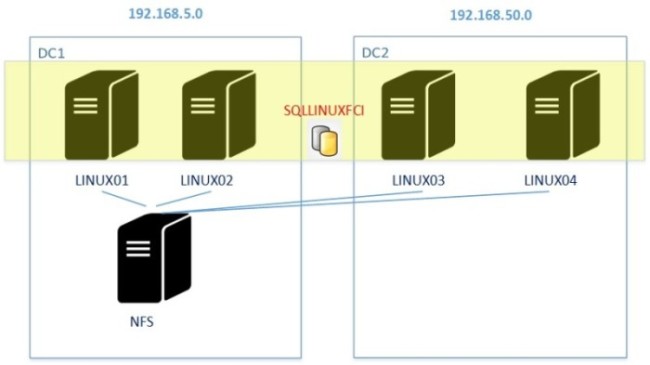
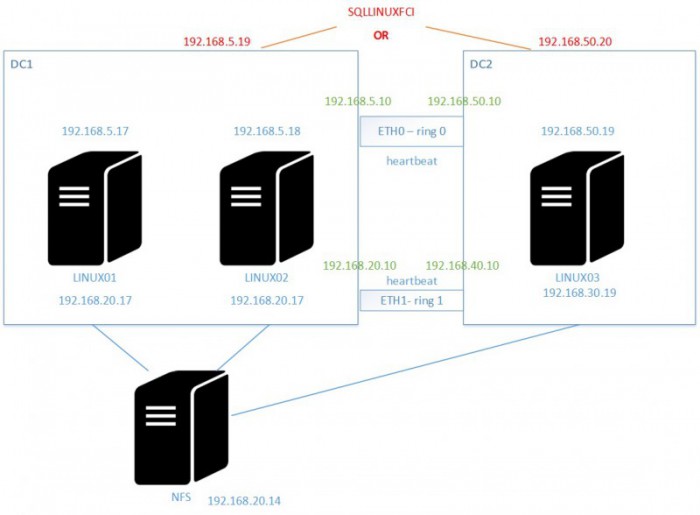
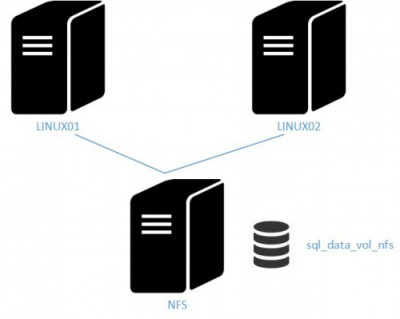
On my first blog about SQL Server on Linux, I introduced the new high availability feature which concerns only SQL Server failover cluster instances so far. During this discovery time, I had the support of Mihaela Blendea (@MihaelaBlendea) at Microsoft to clarify some architecture aspects about this new kind of architecture. Firstly, I would like to thank her. It’s always a… 

Introducing high-availability with SQL Server on Linux

A couple of months ago, I did my first installation of SQL Server on Linux. I wrote about it in this blog post. So now it’s time to start the new year by talking about high availability on Linux with SQL Server vNext. Running standalone instances will be suitable for scenarios but I guess introducing high-availability with critical environments still… 

Migrating your existing availability group infrastructure to 2016

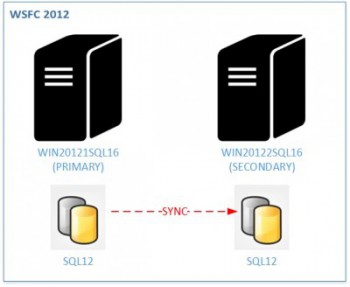
Have you already a plan to migrate your old SQL Server 2012 availability group infrastructure to windows 2016 and SQL Server 2016? In a previous post, I talked about distributed availability groups and cross-cluster migration scenarios but this time the game is not the same because we want to achieve an in-place upgrade of the existing AG infrastructure. This question… 

SQL Server 2016: Distributed availability groups and Cross Cluster migration

How to migrate an environment that includes availability groups from one Windows Failover Cluster to another one? This scenario is definitely uncommon and requires a good preparation. How to achieve this task depends mainly of your context. Indeed, we may use a plenty of scenarios according to the architecture in-place as well as the customer constraints in terms of maximum… 

Extended clusters and asm_preferred_read_failure_groups

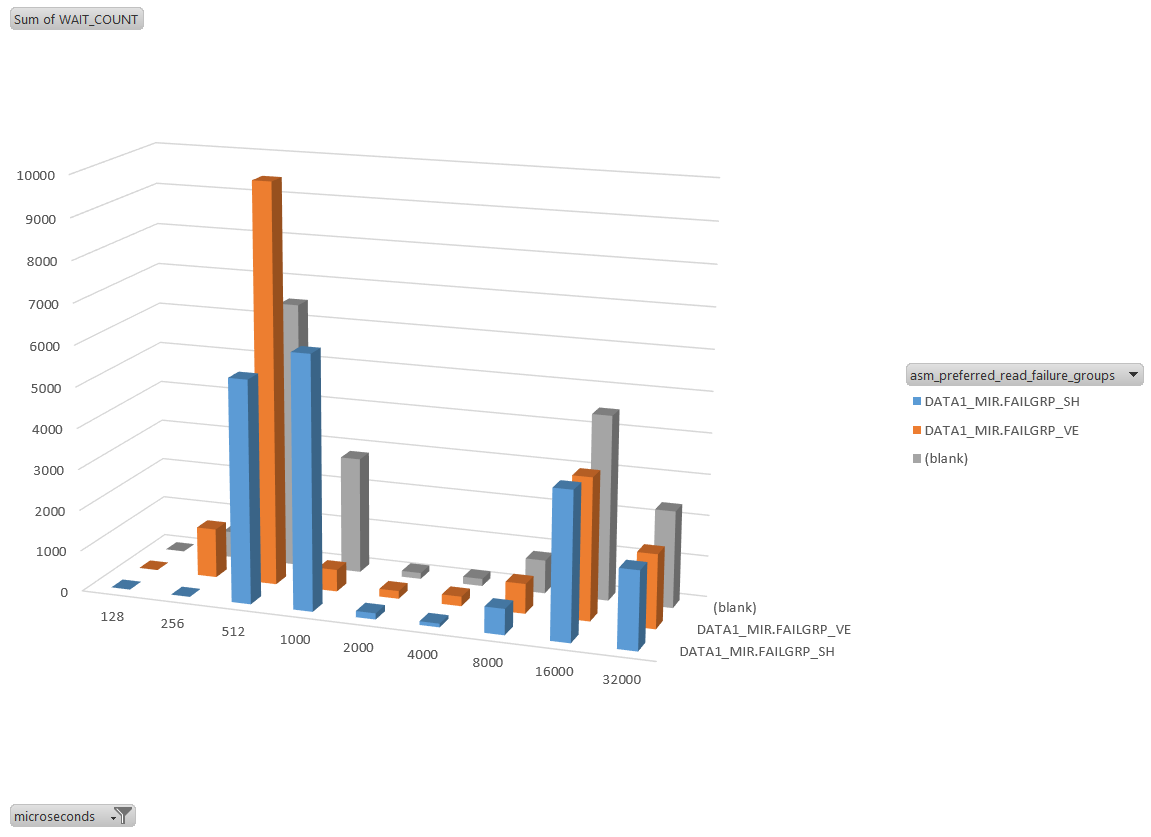
By Franck Pachot . When you have 2 sites that are not too far you can build an extended cluster. You have one node on each site. And you can also use ASM normal redundancy to store data on each site (each diskgroup has a failure group for each site). Writes are multiplexed, so the latency between the two sites… 

Windows Server 2016: Introducing Storage Spaces Direct

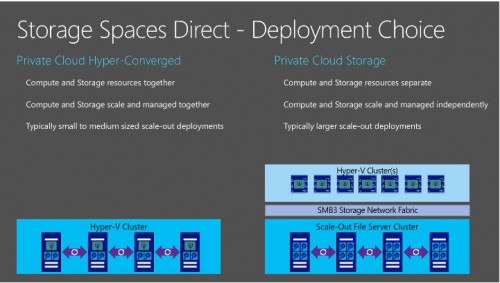
Have you heard about Storage Spaces introduced by Windows Server 2012? Well, this is a very interesting storage feature that allows us to deal with functionalities like storage virtualization, RAID capabilities, thin or thick provisioning, cluster shared volume (CSV), efficiently file repair and so on. In addition, the Windows 2012 R2 version has also introduced some enhancements like storage tiering,…