Skip to content

Database

Everything our consultants learn while running databases for customers: Oracle, PostgreSQL, SQL Server, MySQL, MariaDB, MongoDB and Delphix. Expect hands-on posts about installation, day-to-day administration, backup and recovery, performance tuning, replication and upgrades.

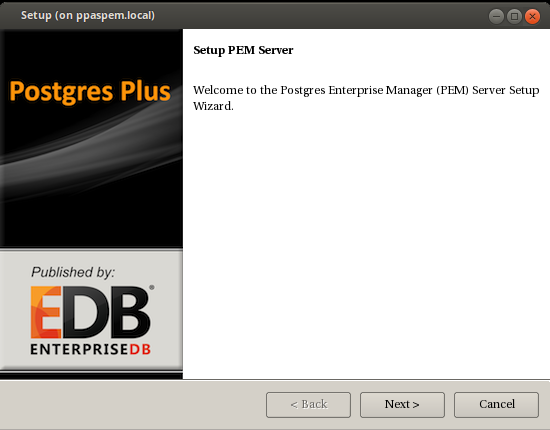
getting started with postgres plus advanced server (4) – setting up the monitoring server

If you followed the first, second and the third post the current ppas infrastructure consists of a primary database, a hot standby database and a backup and recovery server. Now we will add the monitoring server on another host so that the system overview looks like this: server ip address purpose ppas 192.168.56.243 ppas database cluster ppasstandby 192.168.56.244 ppas hot… 
When tempdb database may cause indirect issues

A couple of weeks ago, I had an interesting discussion with one of my friend that faced a weird issue with a SQL Server instance that lacked worker threads. Because I can’t use his own information I decided to reproduce the same issue in order to share with you some interesting information. So the next part of this blog post… 

Get the main Administration Information from SQL Server with PowerShell

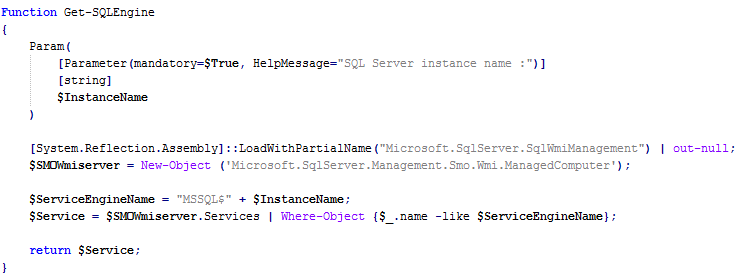
In my previous blog Get SQL Server services with PowerShell, I presented you the first step of the SQL Server administration through an automated process. This blog is a follow-up of the previous one, and it will focus on retrieving information of a SQL Server instance with PowerShell Disclaimer: I am not a developer but a SQL Server dba. If… 

Get SQL Server services with PowerShell

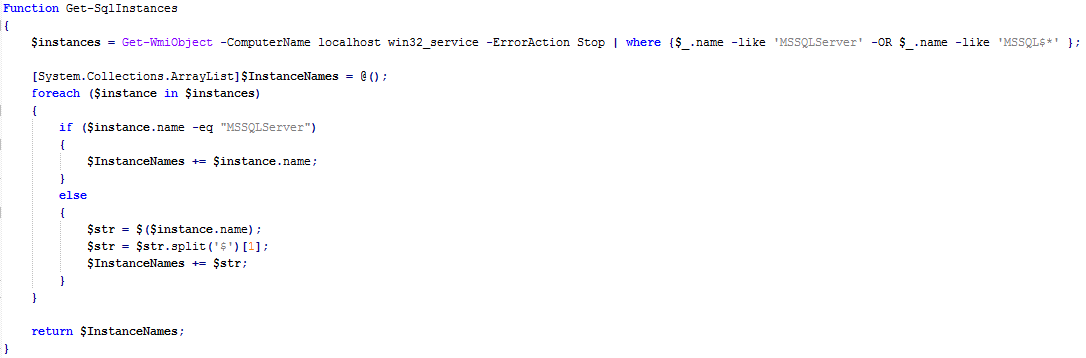
SQL Server Configuration Manager and SQL Server Management Studio are the main tools to administrate the components of SQL Server. They are very convenient to use and pretty complete. But as soon as you wish an automated process, these tools have their limitations. Nevertheless, there is still the solution: PowerShell! This blog introduces a first step towards an automation process… 

getting started with postgres plus advanced server (1) – setting up ppas

I did several posts around postgresql and postgres plus advanced server in the past. What is missing is a beginners guide on how to get postgres plus advanced server up and running including a solution for backup and recovery, high availability and monitoring. So I thought I’d write a guide on how to do that, consisting of: setting up postgres… 

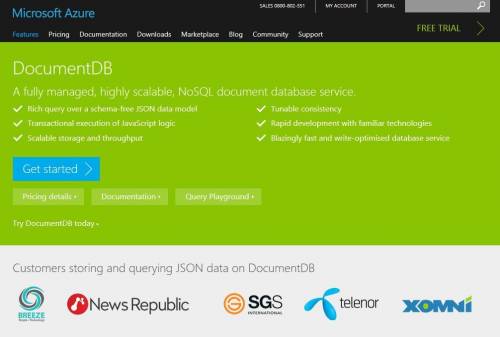
Azure DocumentD8: Microsoft goes to NoSQL

Azure DocumentDB is a documentary database service and as like its name suggests, it is aMicrosoft Azure Cloud service. Since the last summer, developers have access to this new service, and now it is available for all. The Redmond Company offers for the first time a “NoSQL” database. This is not the only service that has come; it is associated… 

SQL Server vNext becomes SQL Server 2016

  Satya Nadella, CEO of Microsoft has announced at the Microsoft Ignite keynote in Chicago that SQL Server 2016 public preview will come this summer and you can be sure that at dbi services we’re looking forward to take a look at under the hood and test this next major release. Amid all the good news, here those who have… 

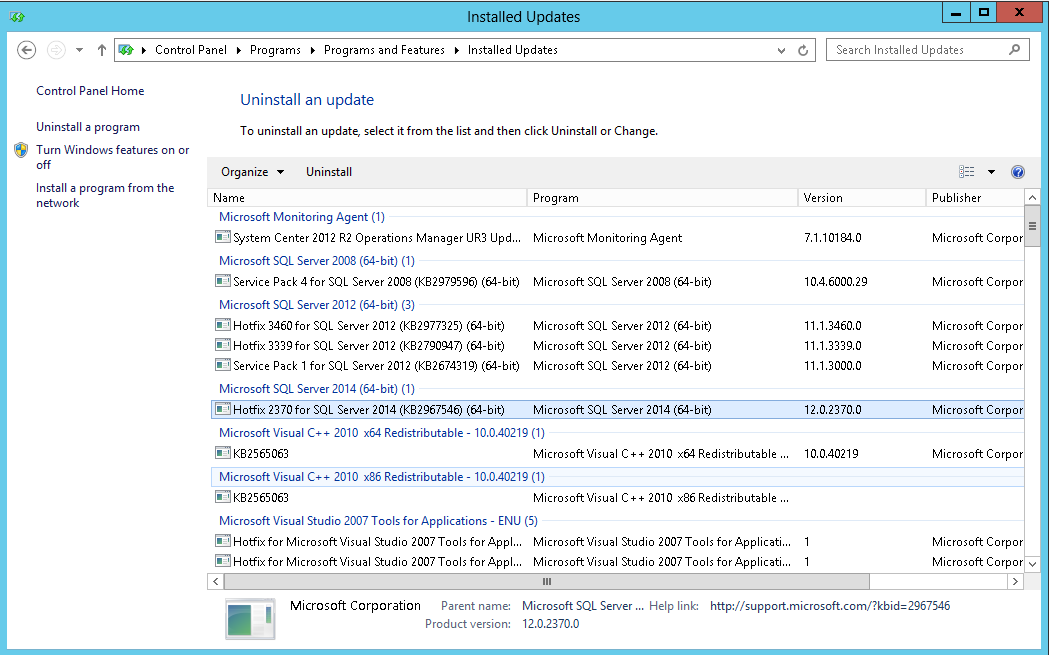
SQL Server – Change Management: list all updates

I am looking to have all SQL Server updates on a server including Service Packs, Cumulative Updates and other fixes like we can see in the uninstall panel from Windows. I take the opportunity of this blog to remind you in a little introduction the different types of patches for SQL Server: Service Pack Service Pack, known as SP is… 

Variations on 1M rows insert (3): TimesTen

By Franck Pachot . In the previous blog post I measured how inserting 1 million rows takes 5 minutes instead of 45 seconds when we commit at each row inserted. In Oracle we can improve that down to 2 minutes if we can accept (and manage) the loss of transactions following an instance crash. Let’s go further. For OLTP that… 

Variations on 1M rows insert(2): commit write

By Franck Pachot . In the previous blog post I measured the time it takes to insert 1 million rows. About 45 seconds when done row-by-row which goes down to 7 seconds when inserted in bulk. In both case, the commit was done only at the end. But in some cases you need to commit at each row, in order…