Skip to content

Database

Everything our consultants learn while running databases for customers: Oracle, PostgreSQL, SQL Server, MySQL, MariaDB, MongoDB and Delphix. Expect hands-on posts about installation, day-to-day administration, backup and recovery, performance tuning, replication and upgrades.

DBA essentials workshop with release Oracle 12c is Available

It’s with pleasure to announced dbi services have upgrade the infrastructure for Oracle DBA essentials workshop. We have migrate the release of Oracle 11g R2 to the latest version Oracle 12c features and install the last PSU (April 2016). During this course you understand different topics: Understand the Oracle database architecture Install and Manage Oracle database Administer Oracle databases with… 
Exadata X-5 Bare Metal vs. OVM performance

By Franck Pachot . The Exadata X5 can be installed Bare Metal or Virtualized. The latter one, Oracle VM allows to create multiple clusters on one machine, is more complex for installation and for storage capacity planning. But it allows a small flexibility on options licencing. Those are the real challenges behind the choice. However, when we talk about virtualization,… 

How to manage your containers in Oracle Storage Cloud Service ?

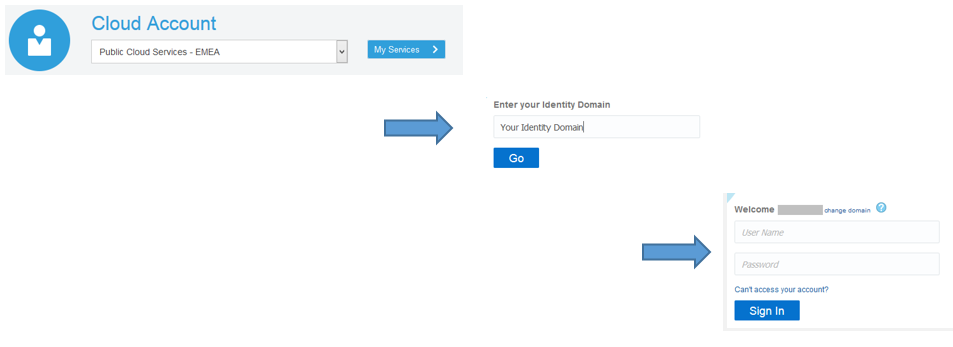
Oracle Cloud Storage Service provides secure, scalable and consistent data from any environment. To get a higher flexibility for your backups, I suggest to use a CloudBerry application in Oracle Public Cloud. This application can be used on Cloud Backup and Recovery in PaaS and IaaS infrastructures. We are going to use it for our DbaaS in PaaS infrastructure. However,… 

Large Pages and MEMORY_TARGET on Windows

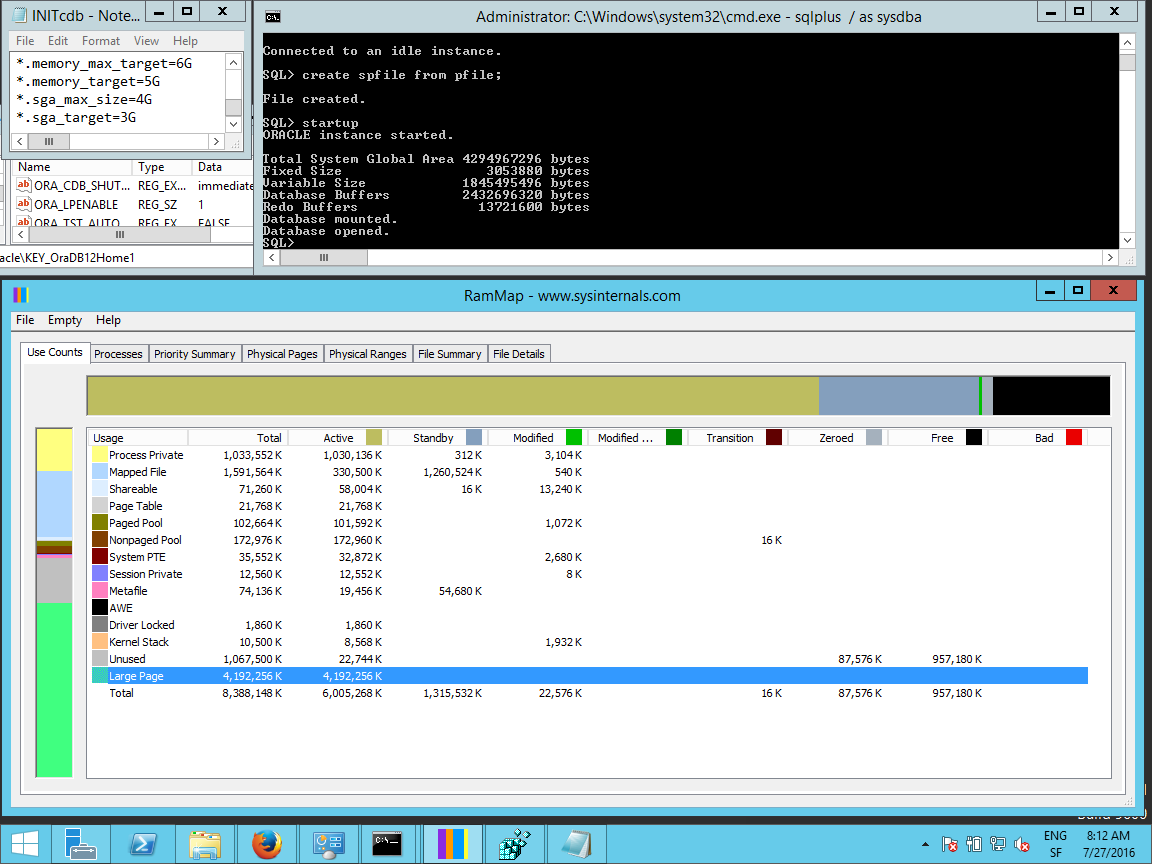
By Franck Pachot . In a previous post about enabling large page on Windows Server, I explained that it’s possible to use large pages with Automatic Memory Management (AMM, where sizing if SGA and PGA is automatic with MEMORY_TARGET setting) but possible does not mean that it is recommended. We feel that it’s not a good idea, but are there… 

Elasticsearch, Kibana, Logstash and Filebeat – Centralize all your database logs (and even more)

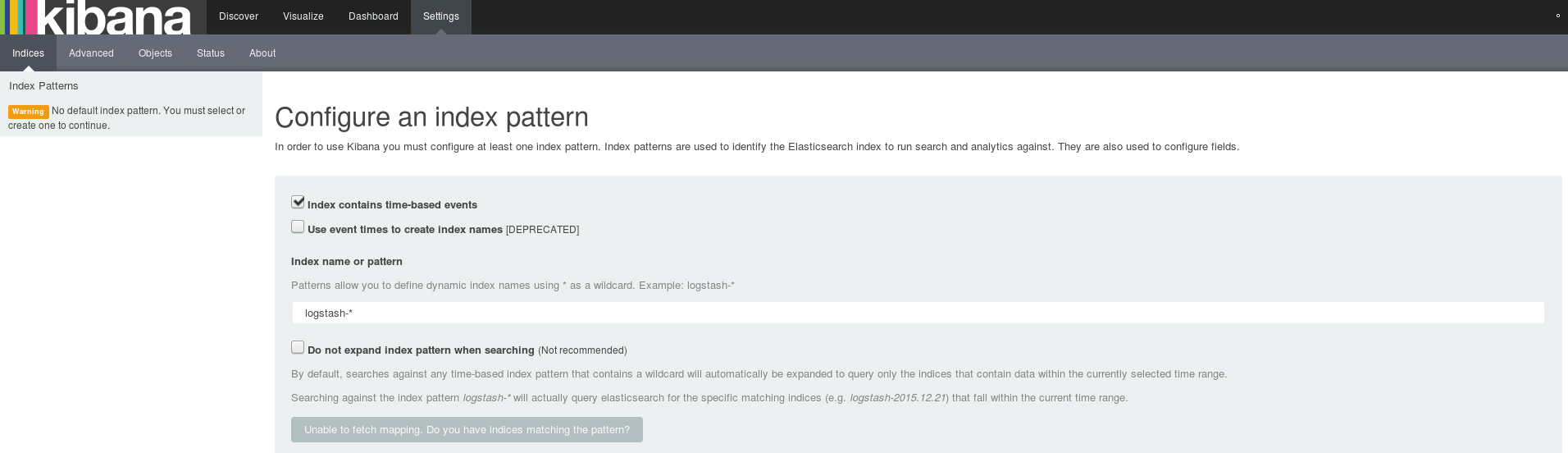
When it comes to centralizing logs of various sources (operating systems, databases, webservers, etc.) the ELK stack is becoming more and more popular in the open source world. ELK stands for Elasticsearch, Logstash and Kibana. Elasticsearch is based on Apache Lucene and the primary goal is to provide distributed search and analytic functions. Logstash is responsible to collect logs from… 

Getting started with Ansible – Creating the PostgreSQL instance

In the last three posts we did the initial Ansible setup, installed the operating system packages, created the PostgreSQL group and user and downloaded, compiled and installed the PostgreSQL binaries from source. In this post we’ll look at how we can use Ansible to create our first PostgreSQL instance. As a reminder this is our current playbook: [ansible@ansiblecontrol ansible]$ pwd… 

Getting started with Ansible – Installing OS packages, creating groups and users

It has been quite a while since the first post in this series: “Getting started with Ansible – Preparations“. If you recap from the initial post Ansible was running on the control host and this simple Ansible command: ansible postgres-servers -a “/bin/echo 11″ -f 5 … was successfully executed against the “postgres-servers” group. So far, so good. Getting Ansible up… 

Redo log block size on ODA X6 all flash

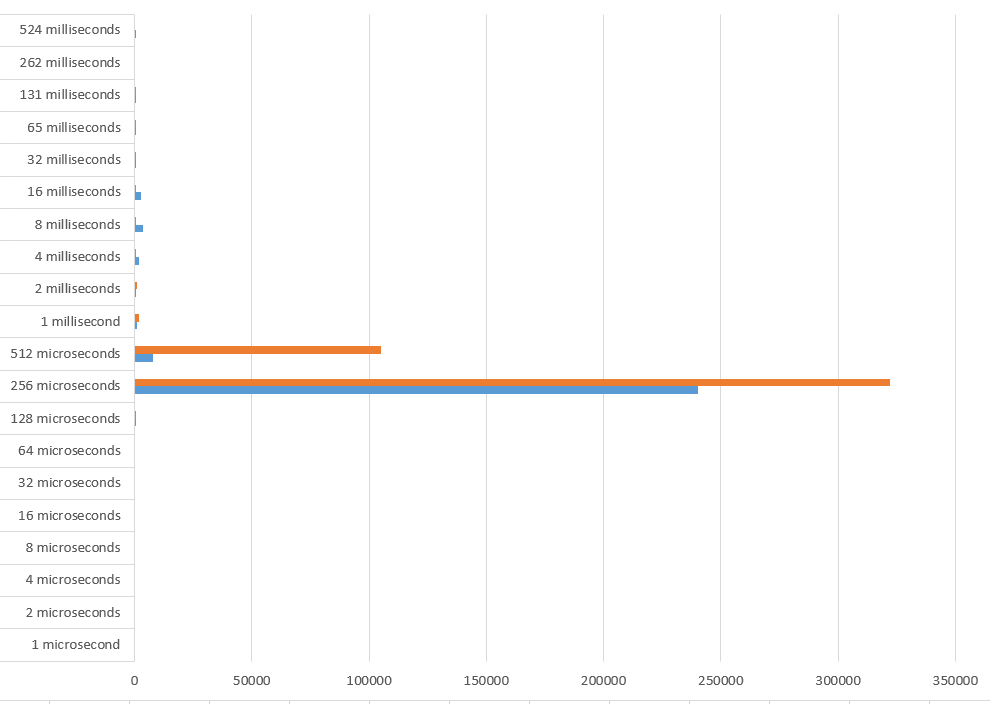
By Franck Pachot . On the Oracle Database Appliance, the redo logs are on Flash storage (and with X6 everything is on Flash storage) so you may wonder if we can benefit from 4k redo blocksize. Here are some tests about it on an ODA X6-2M. I’ll compare the same workload (heavy inserts) with 512 bytes and 4k bytes block… 

ODA X-6 log file sync with NVMe flash

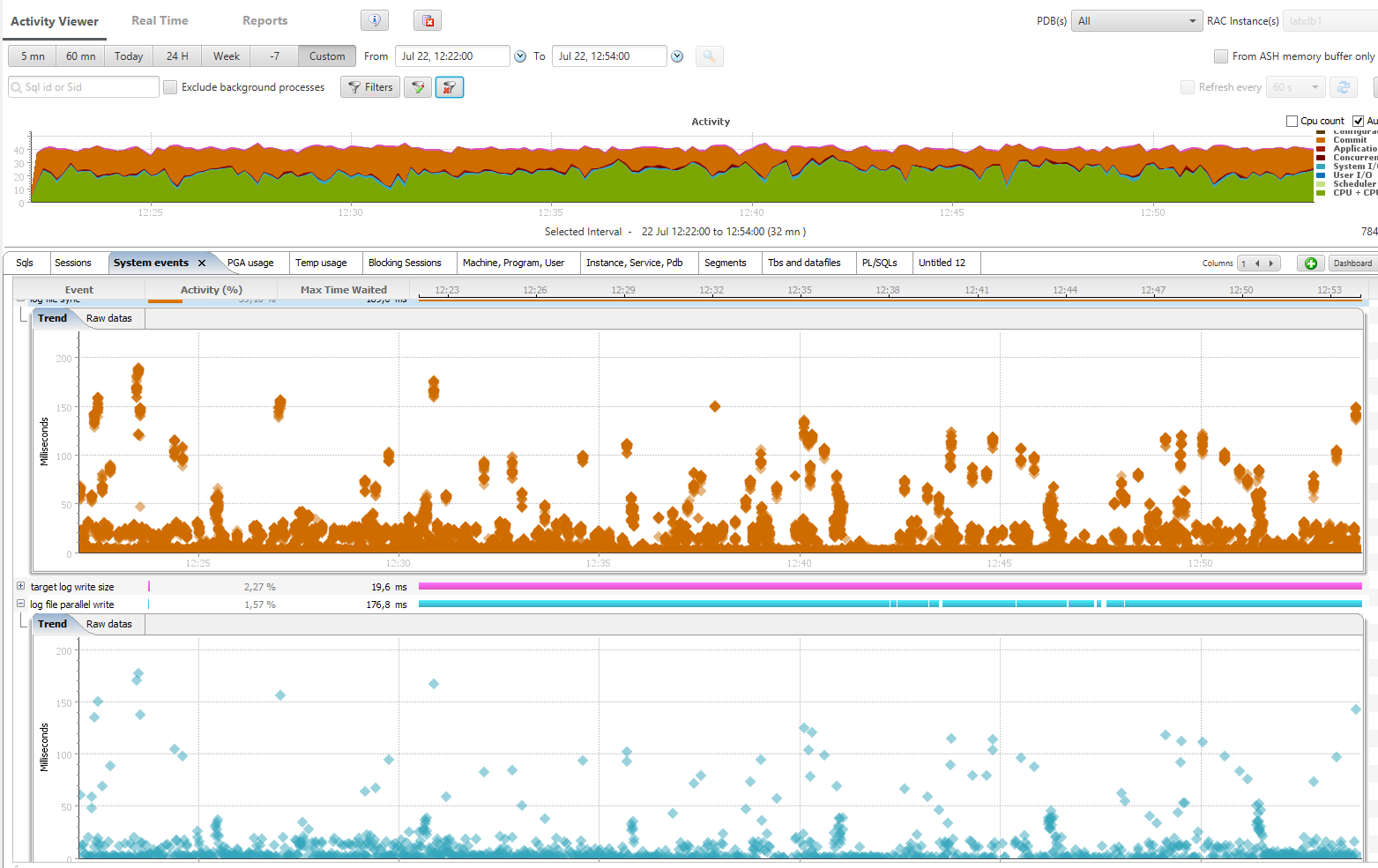
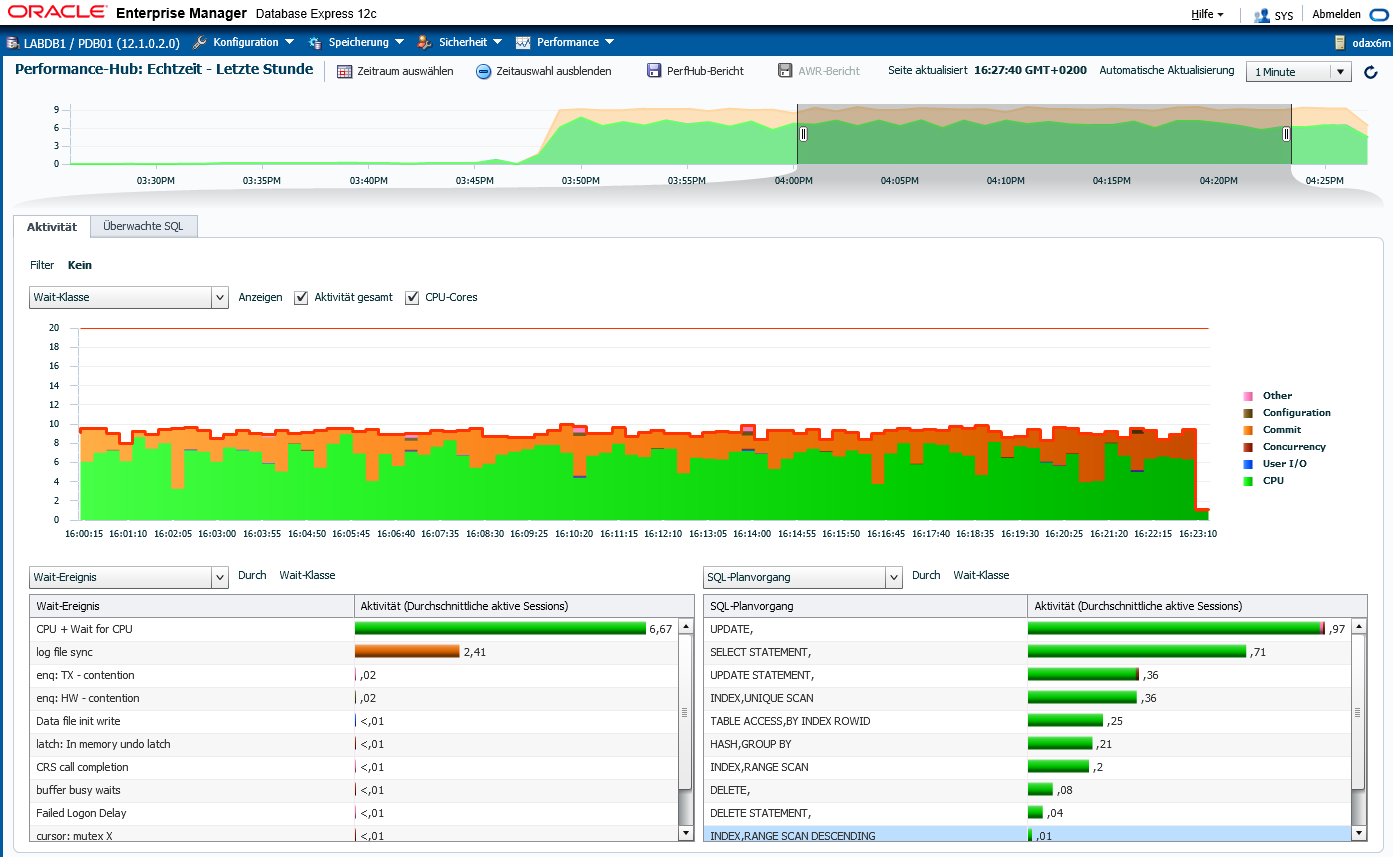
By Franck Pachot . The new ODA X-6 has been announced last month with two smaller configurations and smaller prices: 2S and 2M. Small, but high performance configuration: all SSD, and I/O transfer optimized for Flash with PCIe bus and NVMe protocol. Let’s see how it keeps up with an high OLTP workload. Thanks to Arrow Oracle Authorized Solution Center… 

Getting Ansible up and running on a SLES 12 SP1 host

Recently at a customer we had to setup Ansible on a SLES 12 SP1 host. In comparison to RedHat or Ubuntu based distributions there are some more steps to do as Ansible is not included in the standard SLES repositories. Here we go … Start with the user, group, directories and permissions: host:~ # groupadd ansible host:~ # useradd -g… 

SQL Server AlwaysOn: new services packs and new diagnostic capabilities

As you certainly know, the SQL Server 2014 SP2 has been released by Microsoft with some interesting improvements that concern SQL Server AlwaysOn and availability groups feature. In fact, all of them are also included into SQL Server 2012 SP3 and SQL Server 2016 (update 24.09.2016: not yet released with SQL Server 2016). Among all fixes and improvements that concern AlwaysOn, I would…