Skip to content

Database

Everything our consultants learn while running databases for customers: Oracle, PostgreSQL, SQL Server, MySQL, MariaDB, MongoDB and Delphix. Expect hands-on posts about installation, day-to-day administration, backup and recovery, performance tuning, replication and upgrades.

ODA X7

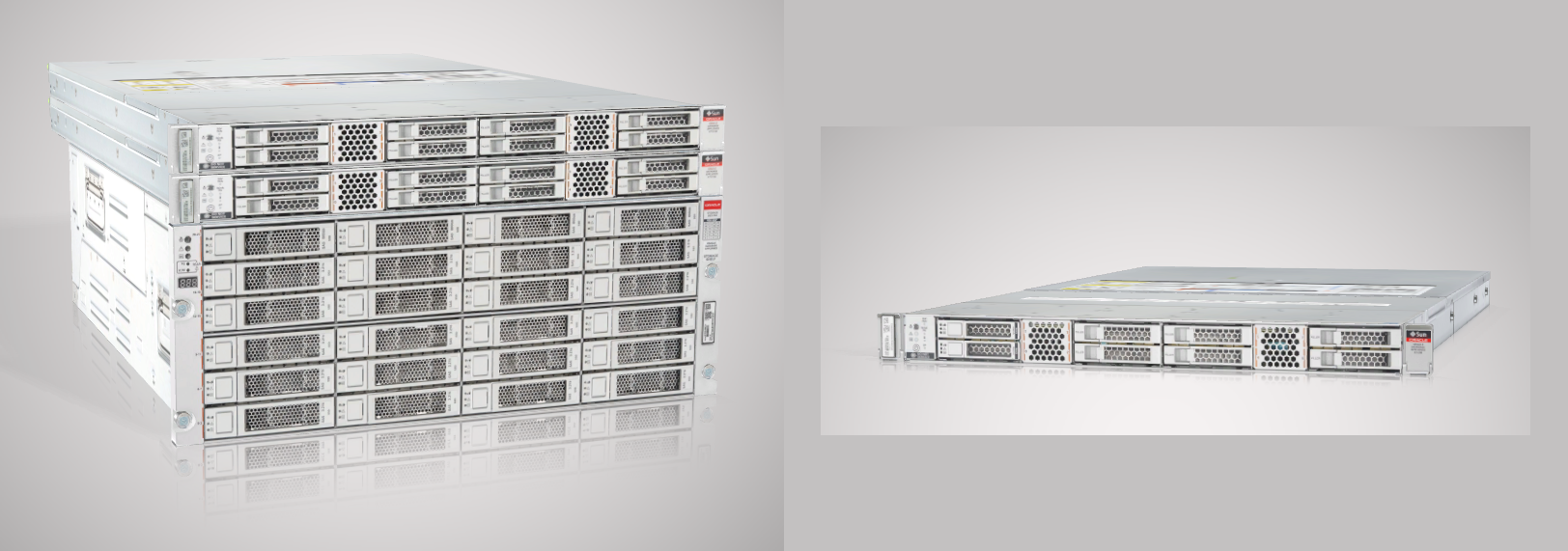
By Franck Pachot . ODA X6-2 So, the ODA X6 End of Life seems to be planned for October, and be careful, as far as I know, this concerns also the storage expansion. The main feedback from the X6-2 series were: not enough cores when consolidating multiple databases in M, L and HA not enough storage on HA when compared… 
SQL Server 2017 RTM is available: time to try!

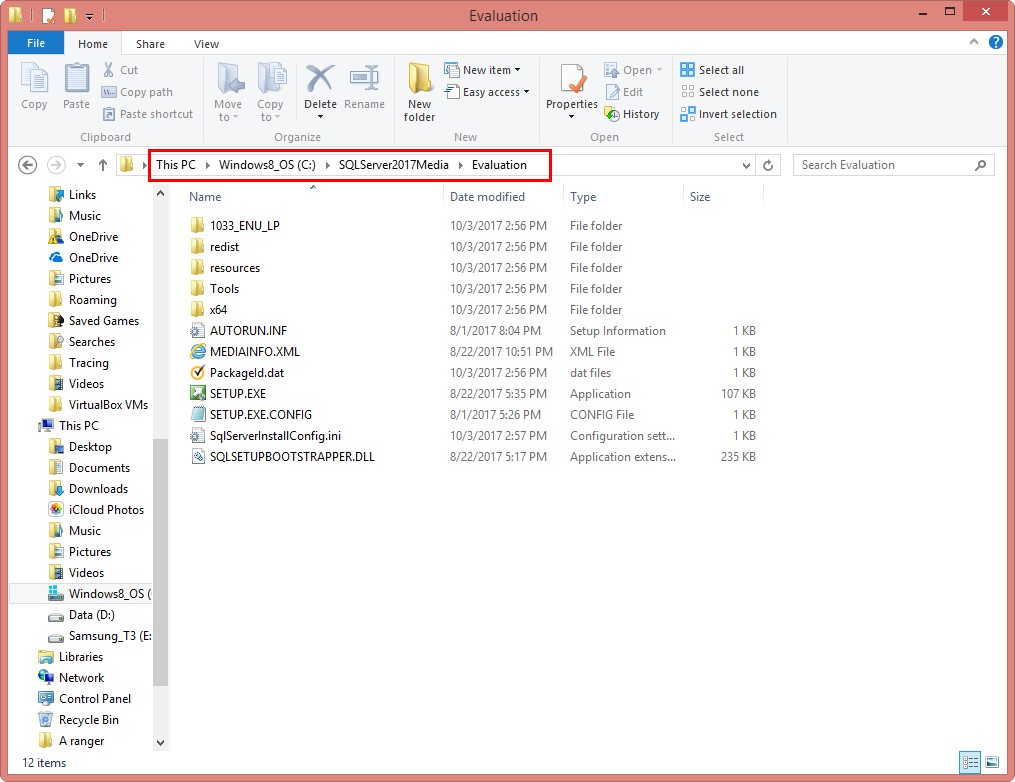
Now SQL Server 2017 RTM  is available. 😀 The first step is to go to the Evaluation Center here After completing the registration with your contact information, you download the file “SQL Server 2017-SSEI-Eval.exe” Run SQL Server 2017-SSEI-Eval.exe and now it begins! A first screen gives me 3 choices to install SQL Server Basic: easy and fast to download and… 

Oracle 18c RU and RUR for pioneers and followers

By Franck Pachot . In a previous post, I explained the announcement of the new release model, with Release Updates and Release Update Revisions replacing Proactive Bundle Patch and PSUs. Here is a description that will help you to plan your patching activity. Which DBA are you? There are currently a lot of discussions about the different types of DBAs.… 

SQL Server 2017 on RHEL first installation

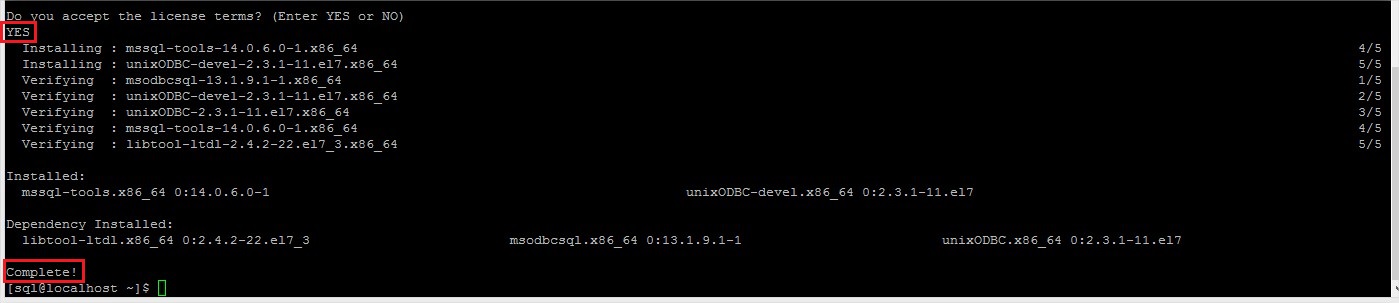
Beginning of last week Microsoft announced the general availability of SQL Server 2017 for today, the second of October. In the same time, but in a more marketing side, Microsoft announced a SQL Server on Red Hat Enterprise Linux offer, more information here. It looked for me like the good time to do my first installation of SQL Server 2017… 

SQL Server 2016: New Dynamic Management Views (DMVs)

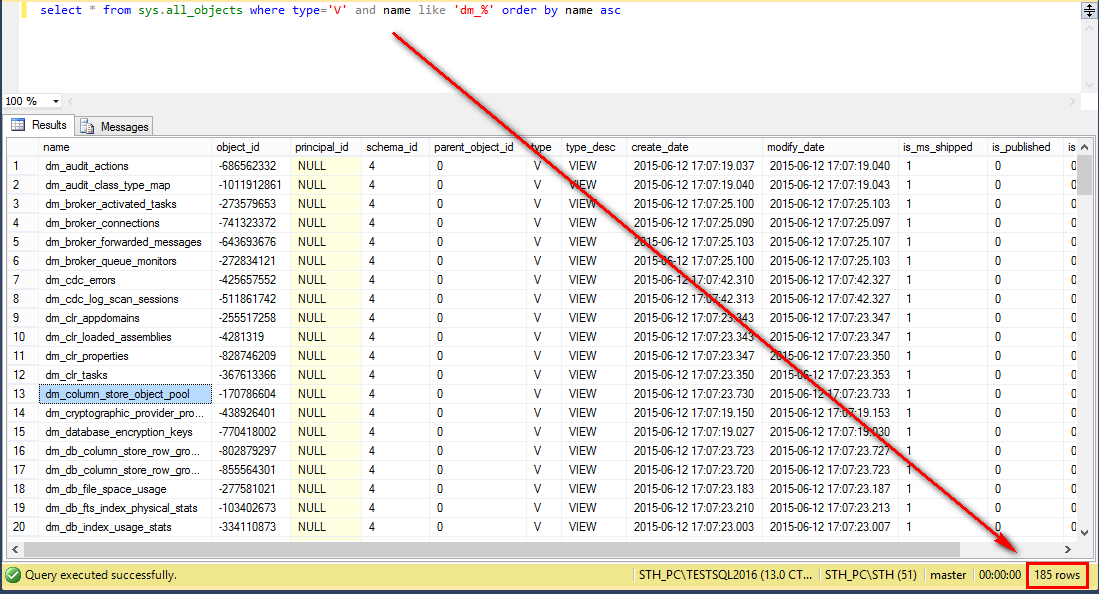
In SQL Server 2016, you will discover a lot of new Dynamic Management Views(DMVs). In this article, I will just give you a little overview of these useful views for us as DBA. SQL Server 2012 has 145 DMVs and SQL Server 2014 has 166 DMVs. Now, SQL Server 2016 has 185 DMVs. How to see it? It is very… 

“_suppress_identifiers_on_dupkey” – the SAP workaround for bad design

By Franck Pachot . In SQL, ‘upsert’ is a conditional insert or update: if the row is there, you update it, but if it is not there, you insert it. In Oracle, you should use a MERGE statement for that. You are clearly doing it wrong if you code something like: begin insert… exception when dup_val_on_index then update… end; But… 

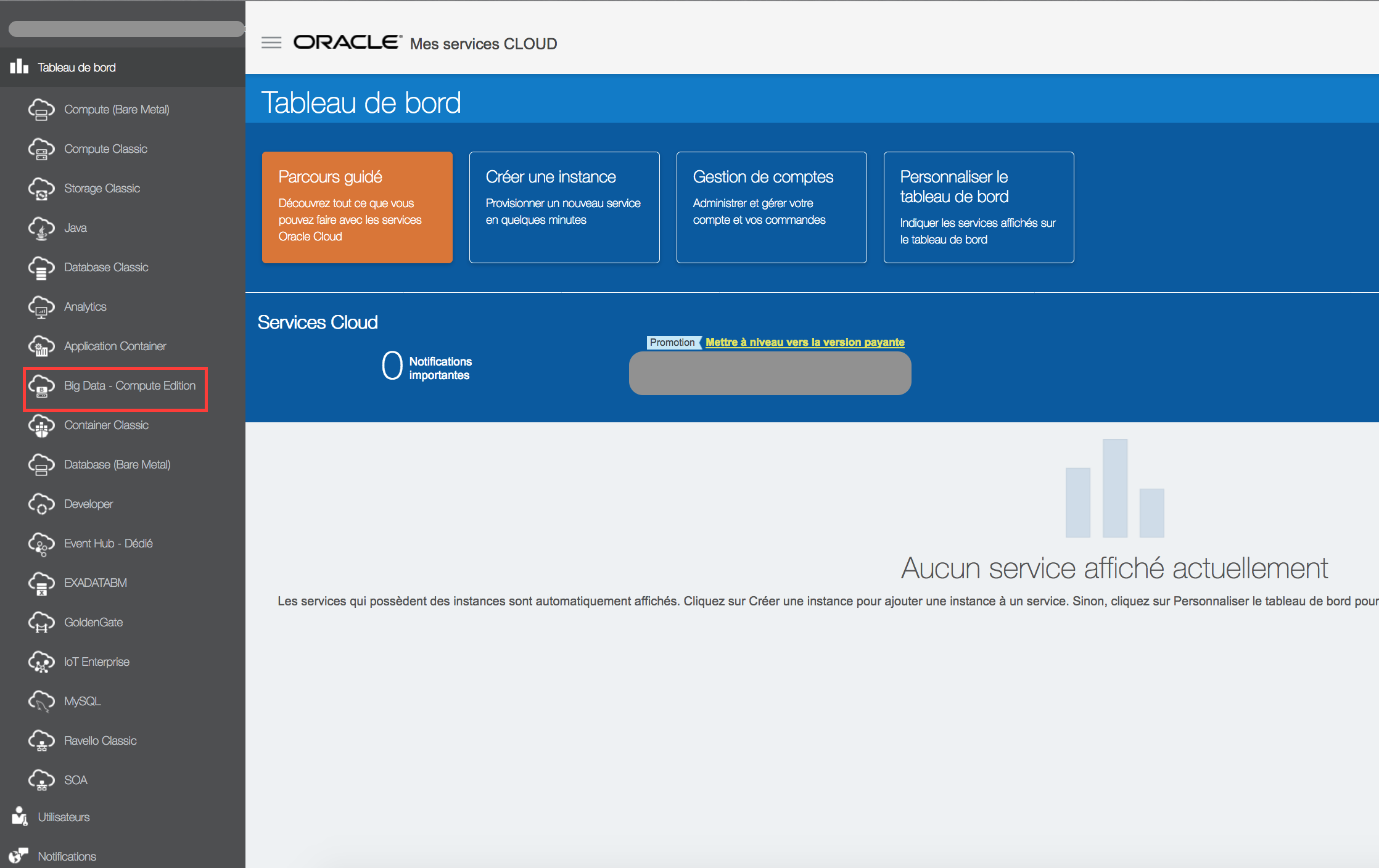
Oracle Big Data Cloud Service – Compute Edition

In this blog post, we will see how to create a Big Data cluster through the Oracle Cloud Services. If you want more details about the Oracle Big Data cloud services offering, you can refer to my previous blog Introduction to Oracle Big Data. First, you need to create your trial account through the following link: https://cloud.oracle.com/tryit. Note that, when… 

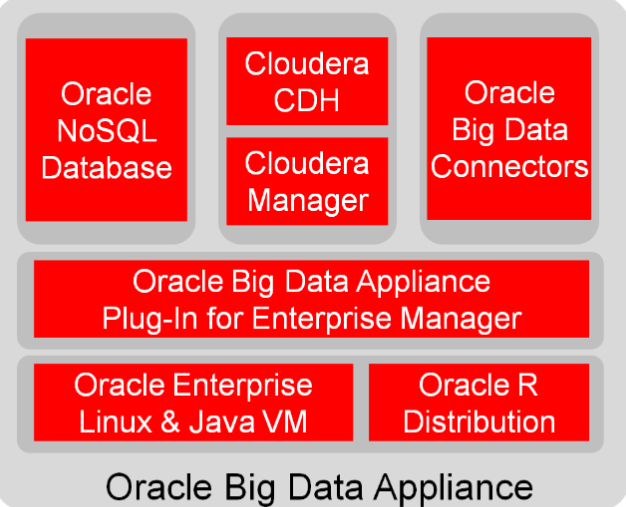
Introduction to Oracle Big Data Services

Since few years, Oracle decided to move forward in the Big Data area, as their main competitor. The goal of this blog post is to explain you, how the Oracle Big Data offering is composed. As the Oracle Big Data offering is continuously improving, I’m always open to your feedback 🙂 Oracle Big Data offering is split in 2 parts:… 

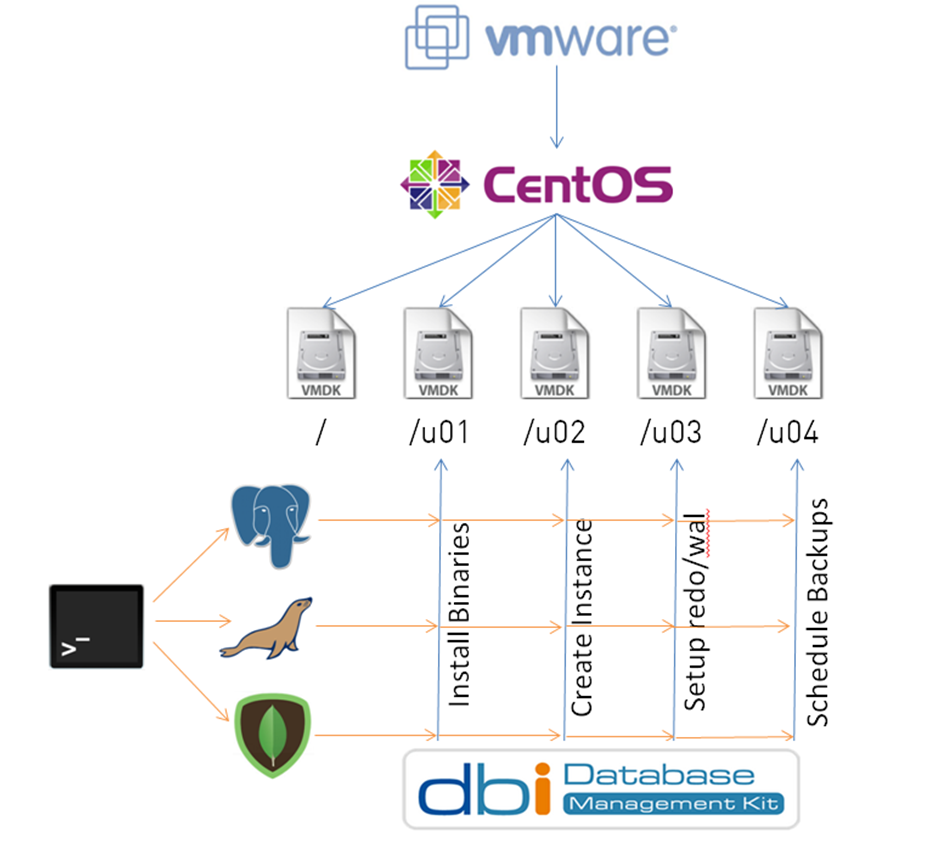
Announcing the dbi OpenDB Appliance

As already announced on Twitter and LinkedIn here is the blog post to describe our OpenDB appliance in more detail. I am sure you wonder what this is about so let me explain why we are doing this. What we do see day by day at our customers is that more and more databases get consolidated on to a VMWare… 

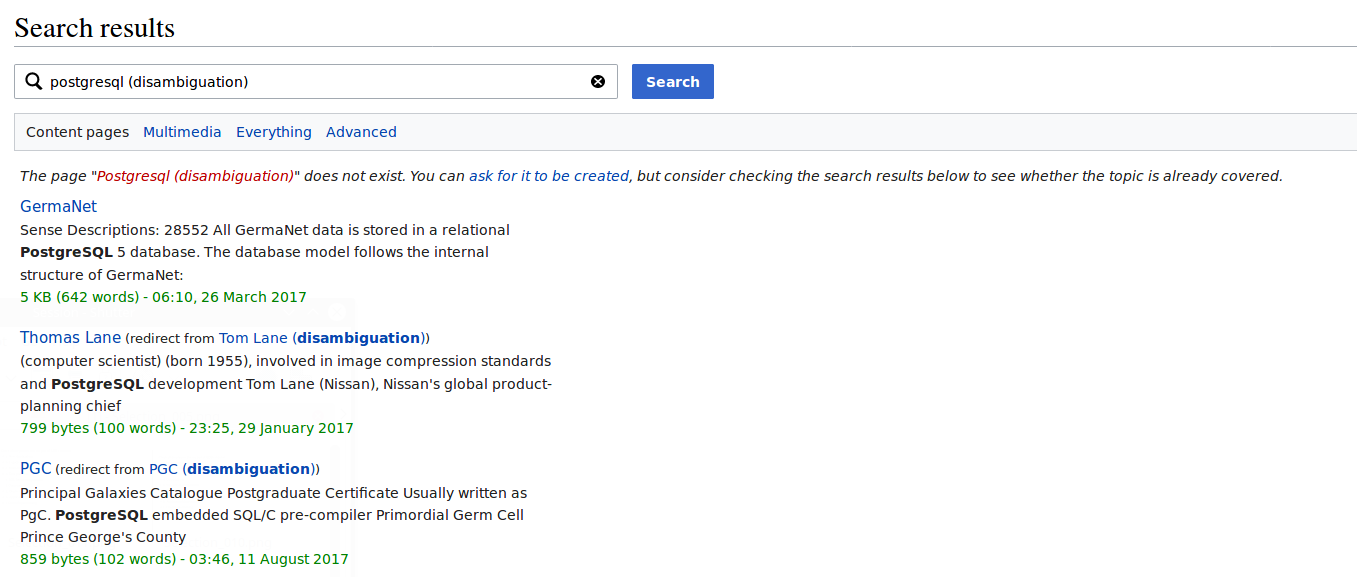
Searching wikipedia from the command line

Wouldn’t it be nice if you could search wikipedia from the command line? I often need to quickly look up a definition or want to know more about a specific topic when I am working on the command line. So here is how you can do it … What you need is npm and wikit. On my debian based system… 

When deterministic function is not

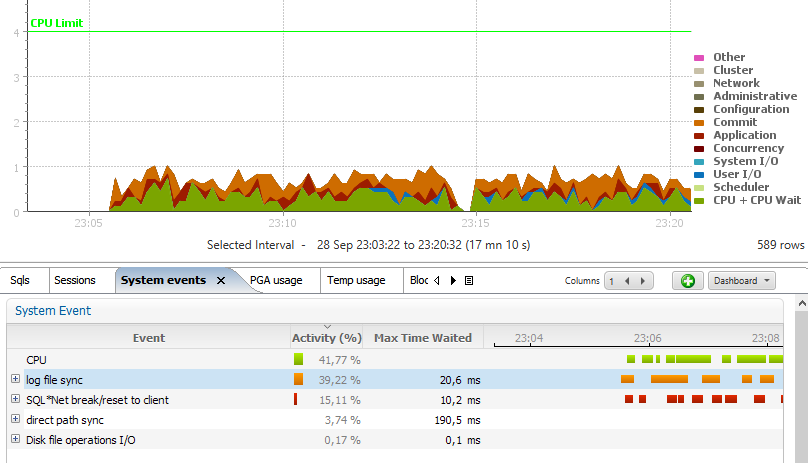
By Franck Pachot . When you declare a function-based index, the function is deterministic, which means that calling it with same arguments will always return the same result. This is required because the indexed values, which are the result of the function, are stored in the index. But what happens if you declare a function deterministic when it is not?… 

Using WebLogic 12C RESTful management for monitoring WebLogic Domains

WebLogic 12.2.1 provides a new RESTful management interface with full accesses to all WebLogic Server resources. This interface offers an alternative to the WLST scripting or JMX developments for the management and the monitoring of WebLogic Domains. The following of this blog provides a few examples demonstrating the simplicity and the efficiency of the REST requests. WebLogic Server State When…