Skip to content

Database

Everything our consultants learn while running databases for customers: Oracle, PostgreSQL, SQL Server, MySQL, MariaDB, MongoDB and Delphix. Expect hands-on posts about installation, day-to-day administration, backup and recovery, performance tuning, replication and upgrades.

Deploying EDB containers in MiniShift/OpenShift

This blog refers to an older version of EDB’s Postgres on Kubernetes offering that is no longer available. In this post we’ll look at how we can deploy EnterpriseDB containers in MiniShift. When you need to setup MiniShift have a look here. In this post we’ll do the setup with the MiniShift console, in a next post we’ll do the… 

SP2 for SQL Server 2016 is available with new helpful DMVs

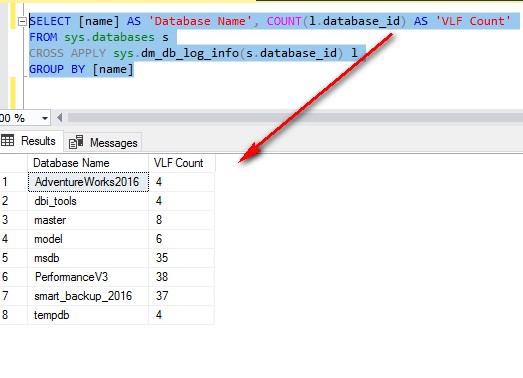
Last month (April 24, 2018), the Service Pack 2 for SQL Server 2016 was released and distributed. This Service Pack has new DMVs, already available in SQL Server 2017 RTM. In this article, I will just write few words about 2 DMVs (sys.dm_db_log_stats & sys.dm_db_log_info) and a new column (modified_extent_page_count) in the DMV sys.dm_db_file_space_usage that I presented during our last… 

SQL Developer Web on the Oracle Cloud

By Franck Pachot . You like SQL Developer because it is easy to install (just unzip a jar) and has a lot of features? Me too. It can be even easier if it is provided as a web application: no installation, and no java to take all my laptop RAM… When I say no installation, you will see that you… 

Some ideas about Oracle Database on Docker

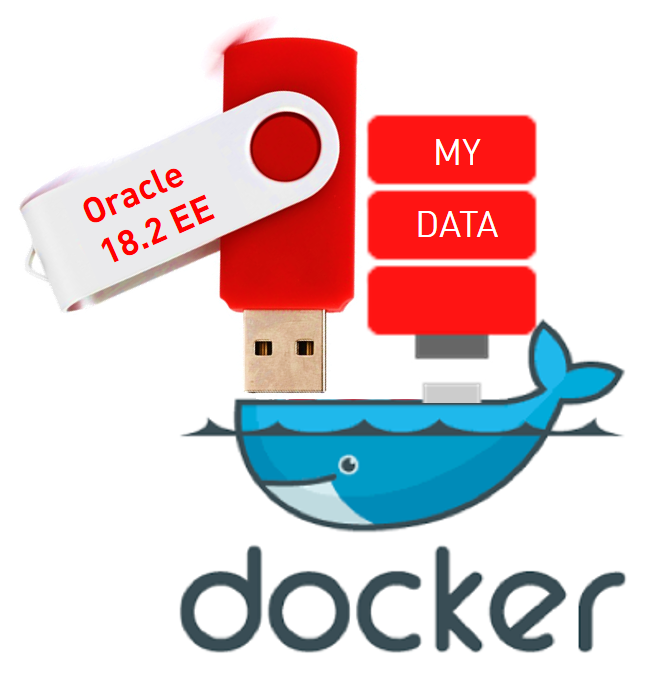
By Franck Pachot . This is not a ‘best practice’ but just some ideas about building Docker images to provide an Oracle Database. I started with the images provided by Oracle: https://github.com/oracle/docker-images/tree/master/OracleDatabase/SingleInstance and this is great to validate the docker environment. Then I customized for my needs and here are the different points about this customization. Do not send a… 

ADWC – the hidden gem: Zepplin Notebook

By Franck Pachot . In the previous blog posts I explained how to create, and stop/start the Autonomous Data Warehouse Cloud service. And I didn’t show yet how to connect to it. It is easy, from sqlplus or SQL Developer, or SQLcl. But there’s something more exciting to run some SQL queries: the Oracle Machine Learning Notebooks based on Apache… 

SQL Server Security: Are your databases ready for the GDPR?

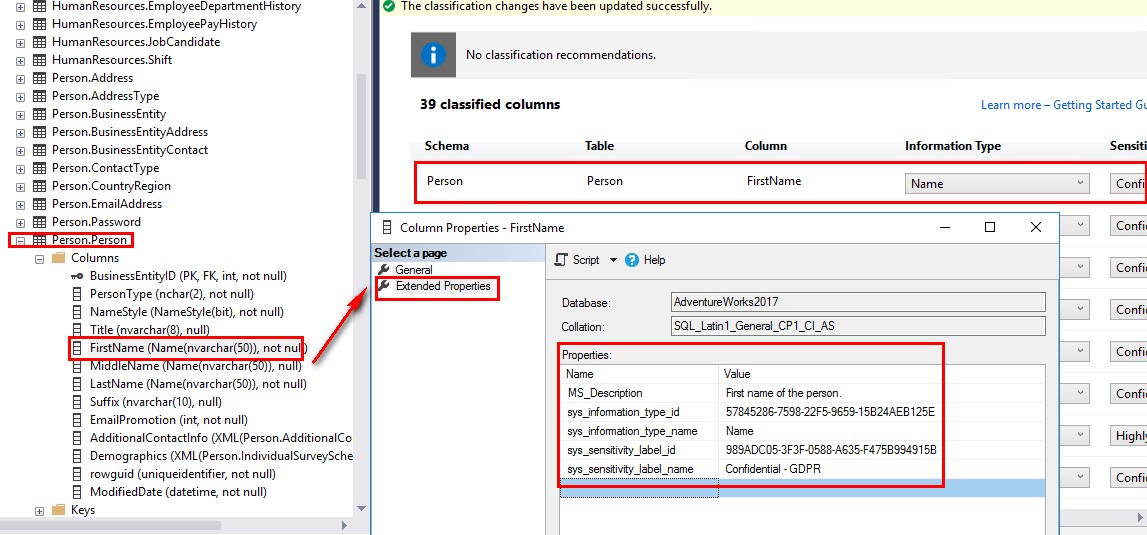
The GDRP (General Data Protection Regulation), voted in 2016, will be applied in the European Union soon (May 25, 2018). We heard a lot of this new directive. The goal is to improve the protection and confidentiality of personally identifiable information for every European citizen. Quid of Switzerland? Read the article of Gregory here. A personal data is information that… 

ADWC – a Docker container to start/stop Oracle Cloud services

By Franck Pachot . In the previous post, I’ve explained how to start and stop the Autonomous Data Warehouse Cloud service from PSM (PaaS Service Manager). There’s a setup phase, and a run phase starting with service-start and ending with service-stop. And the setup is specific to an Oracle Cloud account, storing information in the local user home. You may… 

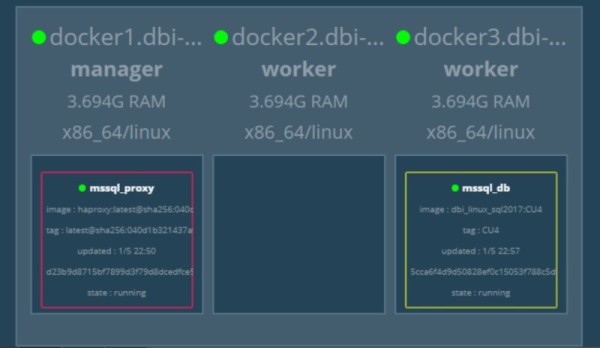
Load Balancing with Docker Swarm mode and SQL Server containers

Docker swarm mode provides an easy way to publish ports for services. Indeed, in this mode all nodes participate in an ingress routing mesh and accept connections to any service port published. Thus, all incoming requests are routed to available nodes hosting a service. That’s a pretty cool feature but it has some drawbacks. Let’s say that a node goes… 

How uid mapping works in Docker containers?

It can be interesting to see how uids between the docker host and docker containers are mapped. For example, for security concerns. As a reminder, docker containers are based on two linux kernel features: linux namespaces and cgroups. Basically, linux namespaces provide isolation for running processes and cgroups allows you to isolate resource usage. Let’s first run a docker container.… 

ADWC: start/stop with PSM Command Line Interface

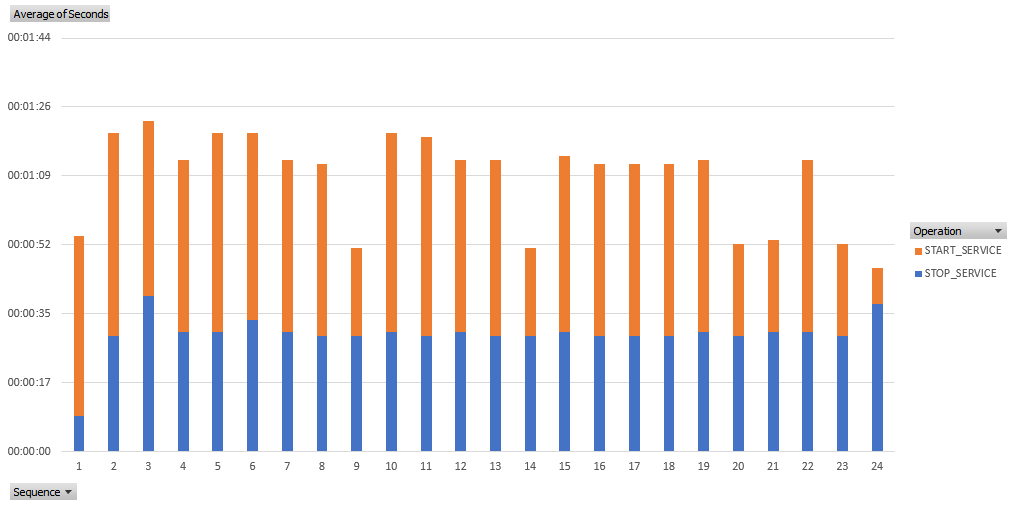
By Franck Pachot . In the previous post, I explained how to create an Autonomous Data Warehouse with PSM (PaaS Service Manager Command Line Interface). The most common operation you want to do with it is starting and stopping the service. This is the best way to save credits for hourly billed services. And PSM is the easiest: run from… 

ADWC: Creation of Autonomous Data Warehouse Cloud service

By Franck Pachot . You want to try the Autonomous Data Warehouse Cloud Service? That’s easy. Here is a Step-by-Step. Cloud Credits First, you need Cloud Credits. You may have bought them (any recent negotiation with Oracle Sales, even for on-premises, involves some Cloud Credits). You can have a free trial with 300$ Cloud Credits available for 1 month. To… 

Oracle 18c clone PDB and Transparent Data Encryption

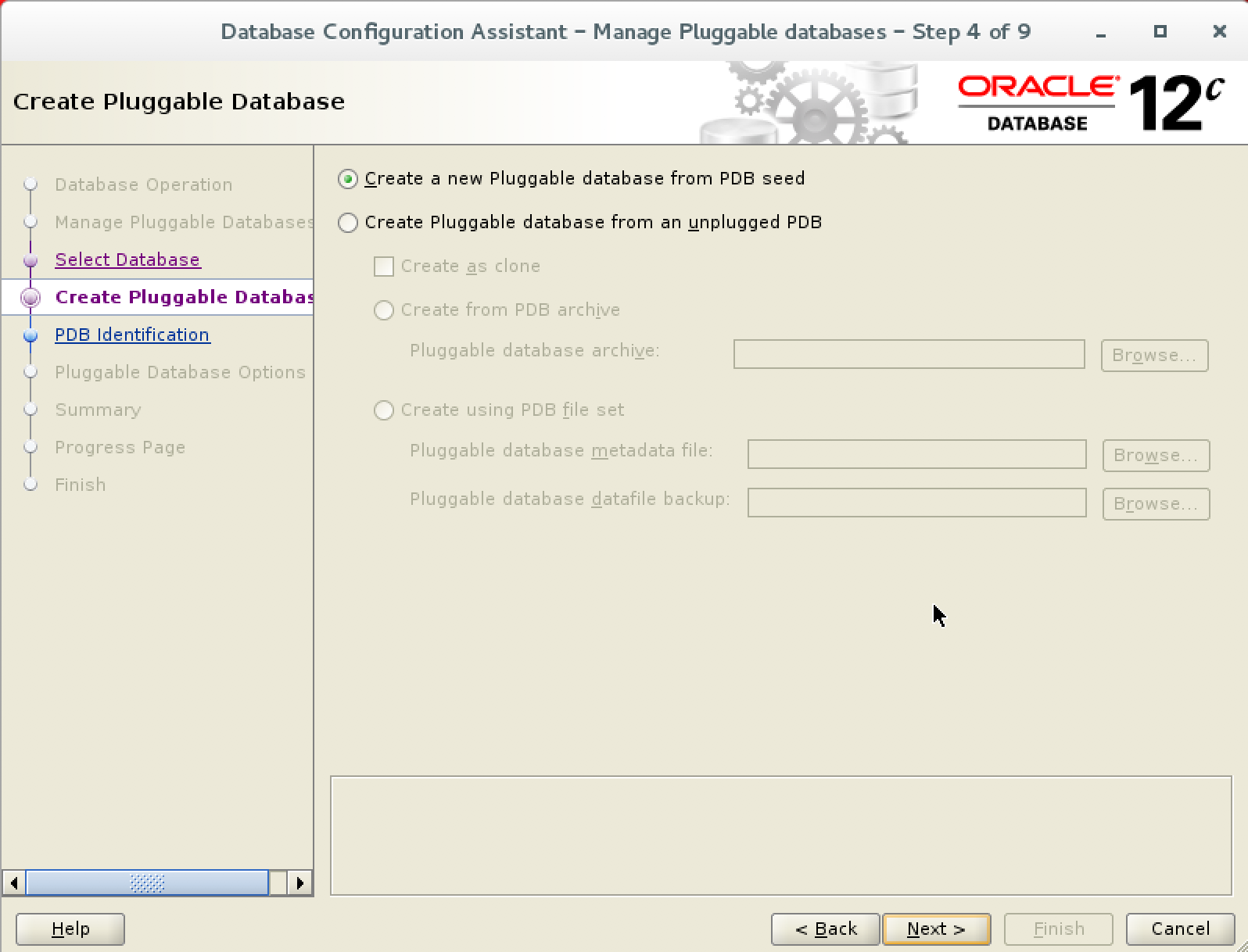
Let’s do some tests with the Oracle 18c new feature in creating PDB clone with DBCA. Unfortunately, this feature does not work when you have TDE enabled. Just to remember, with Oracle 12.2 we had the possibility to create PDBs with dbca just from PDBseed to from unplugged PDBs: Now in version 18c we can create PDBs from existing PDBs as…