Skip to content

Database

Everything our consultants learn while running databases for customers: Oracle, PostgreSQL, SQL Server, MySQL, MariaDB, MongoDB and Delphix. Expect hands-on posts about installation, day-to-day administration, backup and recovery, performance tuning, replication and upgrades.

Where come from Oracle CMP$ tables and how to delete them ?

Regarding the following “MOS Note Is Table SCHEMA.CMP4$222224 Or Similar Related To Compression Advisor? (Doc ID 1606356.1)”, we know that since Oracle 11.2.0.4 BP1 or Higher, due to the failure of Compression Advisor some tables with names that include “CMP”, created “temporary – the time the process is running” by Compression Advisor process (ie CMP4$23590) are not removed from the… 

Getting started with Red Hat Satellite – Initial configuration

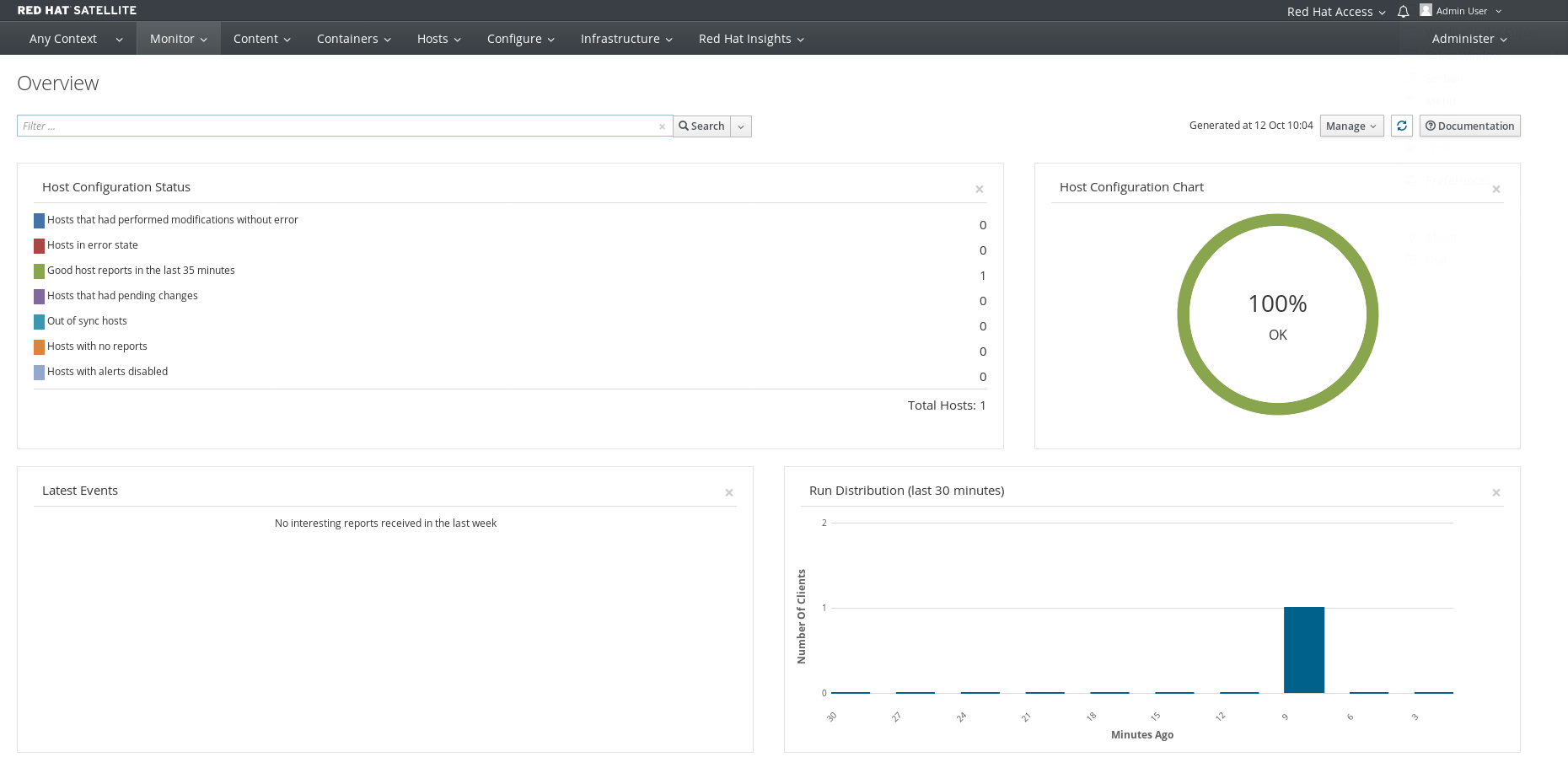
In the last post it was all about the Installation of Red Hat Satellite and the components that are used under the hood. In this post it is about doing the initial configuration so that packages can be synchronized from the Red Hat content network and subscriptions are available to be consumed by clients. This requires some initial tasks to… 

Getting started with Red Hat Satellite – Installation

This is the start of a series of posts I wanted to write for a long time: Getting started with Red Hat Satellite. Just in case you don’t know what it is, this statement from the official Red Hat website summarizes it quite well: “As your Red Hat® environment continues to grow, so does the need to manage it to… 

How to migrate Grid Infrastructure from release 12c to release 18c

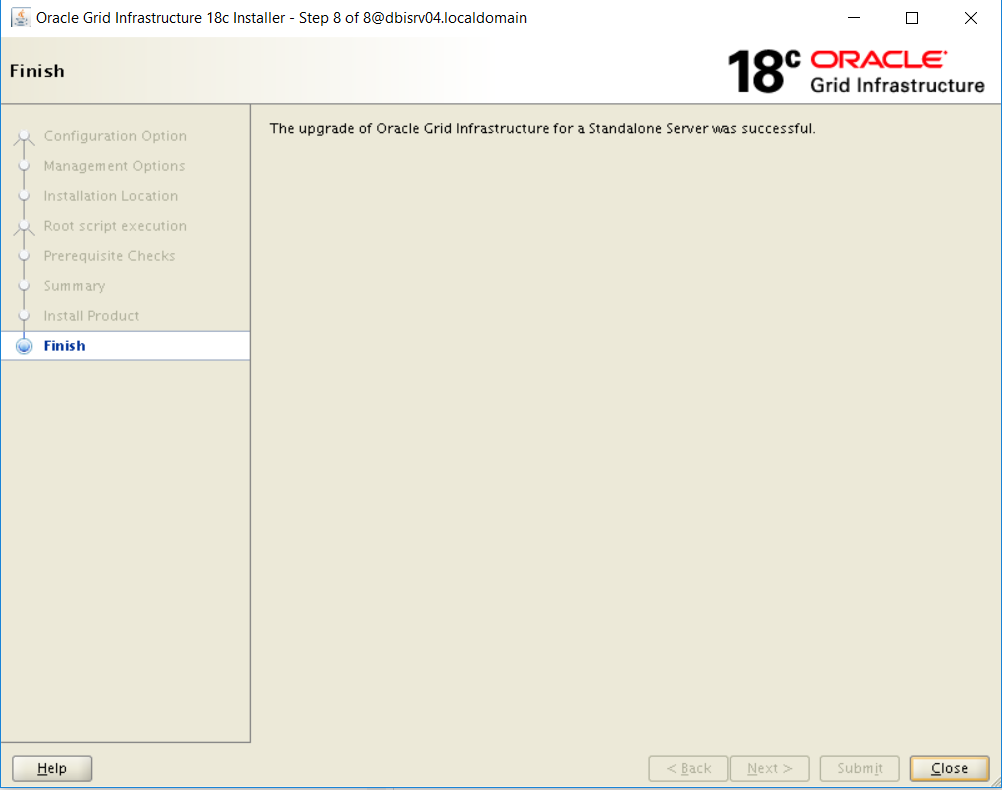
Oracle Clusterware 18c builds on this innovative technology by further enhancing support for larger multi-cluster environments and improving the overall ease of use. Oracle Clusterware is leveraged in the cloud in order to provide enterprise-class resiliency where required and dynamic as well as online allocation of compute resources where needed, when needed. Oracle Grid Infrastructure provides the necessary components to… 

From Oracle to Postgres with the EDB Postgres Migration Portal

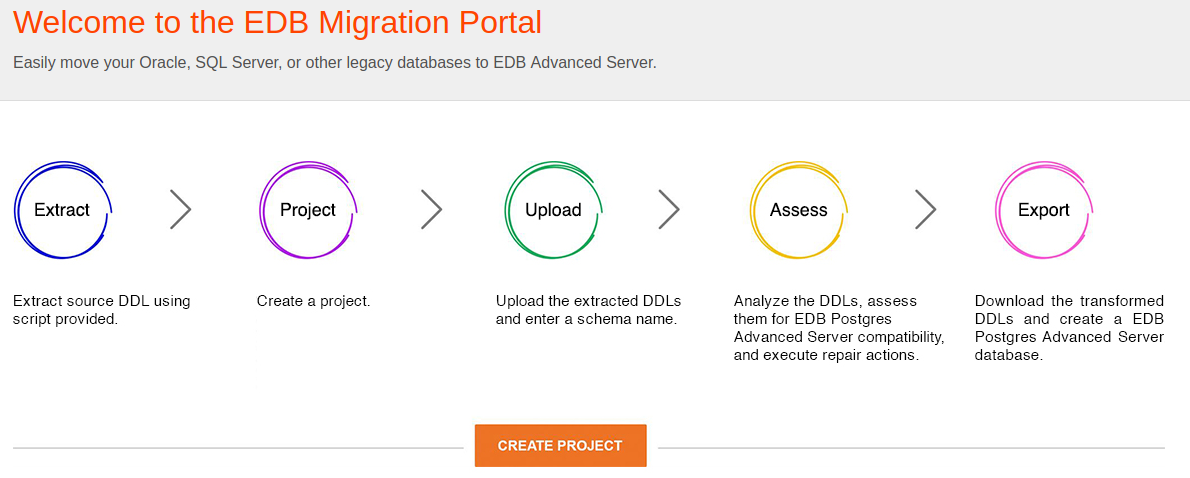
EnterpriseDB is a valuable actor in PostgreSQL’s world. In addition to provide support, they also deliver very useful tools to manage easily your Postgres environments. Among these we can mention EDB Enterprise Manager, EDB Backup & Recovery Tool, EDB Failover Manager, aso… With this post I will present one of the last in the family, EDB Postgres Migration Portal, a… 

Deploy a MySQL Server in Docker containers

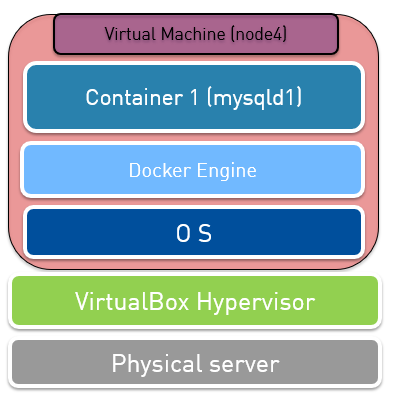
We hear about Docker every day. By working on MySQL Server, I am curious to test this platform which makes it possible to create containers independent of the OS to deploy virtualized applications. So let’s try to deploy a MySQL Server with Docker! Here is the architecture we will put in place: So we will run a Docker container for… 

First steps into SQL Server 2019 availability groups on K8s

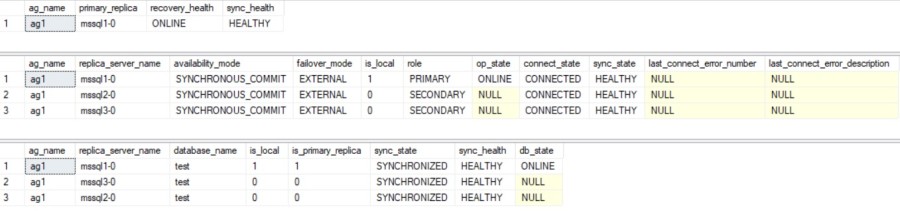
A couple of weeks ago, Microsoft announced the first public CTP version of next SQL Server version (CTP2). It is not a surprise, the SQL Server vNext becomes SQL Server 2019 and there are a plenty of enhancements as well as new features to discover. But for now, let’s start with likely one of my favorites: availability groups on Kurbernetes (aka… 

Foglight: Monitoring solution for databases [Part 01]

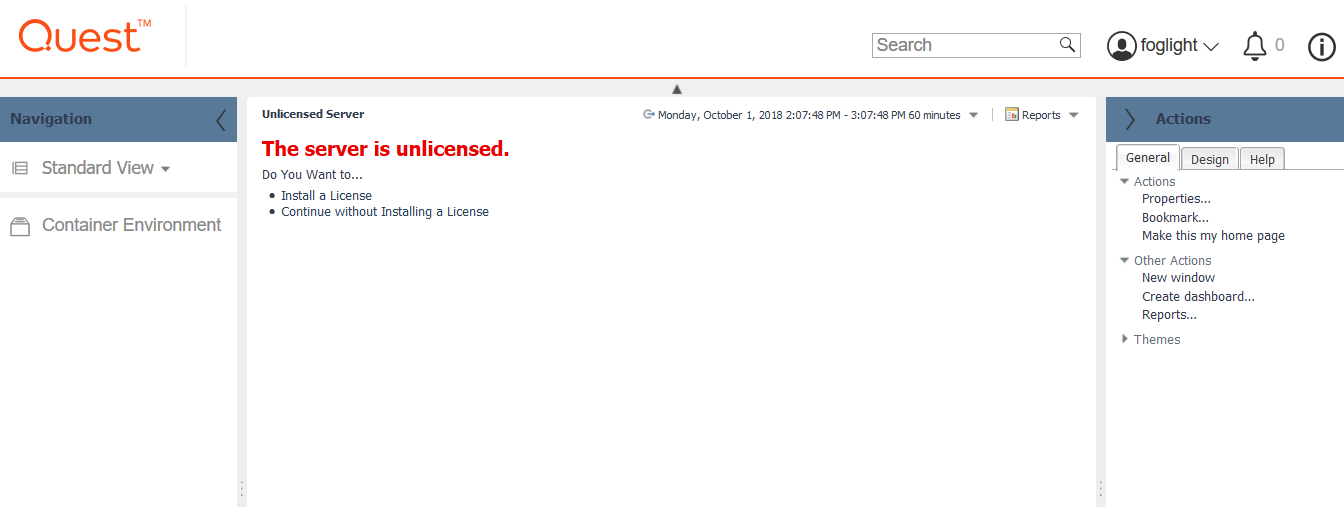
What is Foglight? Foglight is a solution from Quest which promises to provide visibility into issues affecting the application and end user experience. The solution also helps you to find quickly the root cause in application, database, infrastructure, or network to resolve issues by providing “Intuitive workflows” Let’s give it a try! Preparing the installation Requirements for installing Foglight are:… 

PDB Snapshot Carousel Oracle 18.3

A new feature with Oracle 18c is the PDB snapshot carousel. As indicated by its name a PDB snapshot is a copy of a PDB at a specific point in time. You have the possibility to create up to eight snapshots, when you reach the maximum number of snapshots, the last snapshot is over written. The snapshot carousel is obviously… 

Oracle 18c : Active Data Guard and AWR Reports

By Mouhamadou Diaw Since Oracle Database 12c Release 2 (12.2), Automatic Workload Repository (AWR) data can be captured for Active Data Guard (ADG) standby databases. This feature enables analyzing any performance-related issues for ADG standby databases AWR snapshots for ADG standby databases are called remote snapshots. A database node, called destination, is responsible for storing snapshots that are collected from… 

SQL Plan stability in 11G using stored outlines

Plan stability preserves execution plans in stored outlines. An outline is implemented as a set of optimizer hints that are associated with the SQL statement. If the use of the outline is enabled for the statement, then Oracle Database automatically considers the stored hints and tries to generate an execution plan in accordance with those hints (Oracle documentation). Oracle Database… 

Oracle 12.2 : Windows Virtual Account

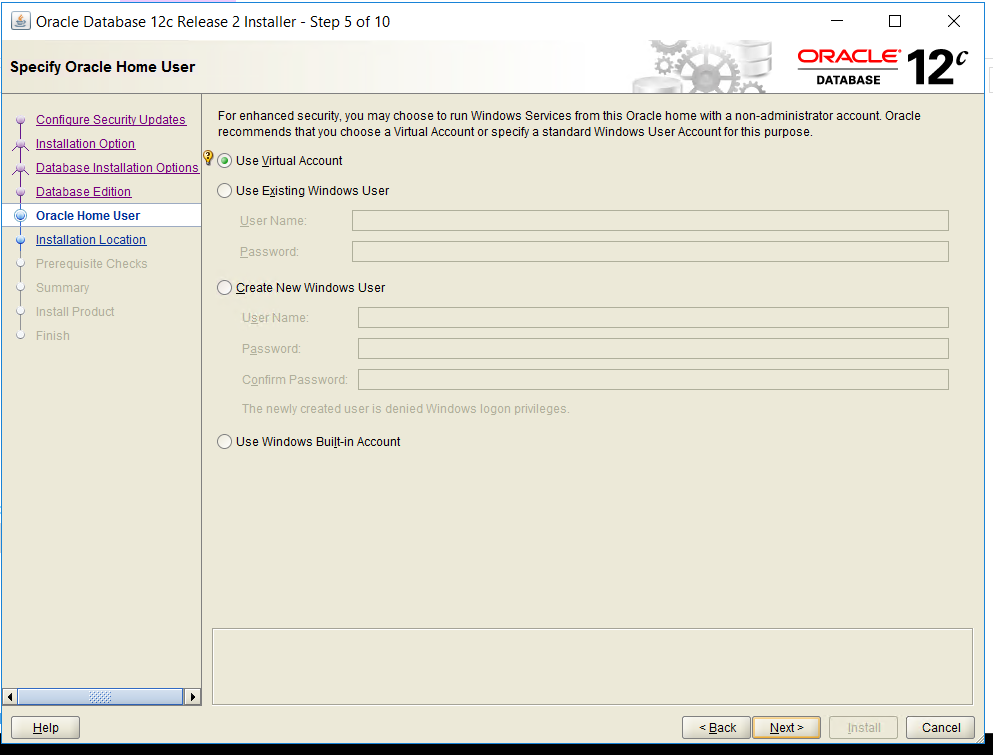
By Mouhamadou Diaw With Oracle 12.2 we can use a Virtual Account during the Oracle installation on Windows. Virtual Accounts allow you to install an Oracle Database and, create and manage Database services without passwords. A Virtual Account can be used as the Oracle Home User for Oracle Database Single Instance installations and does not require a user name or…