Skip to content

Open source Team

Posts published under the Open source Team account are collective contributions by the dbi services open infrastructure consultants. The practice covers open-source databases and platforms, PostgreSQL first of all, along with MySQL, MariaDB, and Linux, from architecture, replication, and high availability to performance tuning and operations under service level agreements, and contributes actively to the PostgreSQL community.

721 posts since September 2011

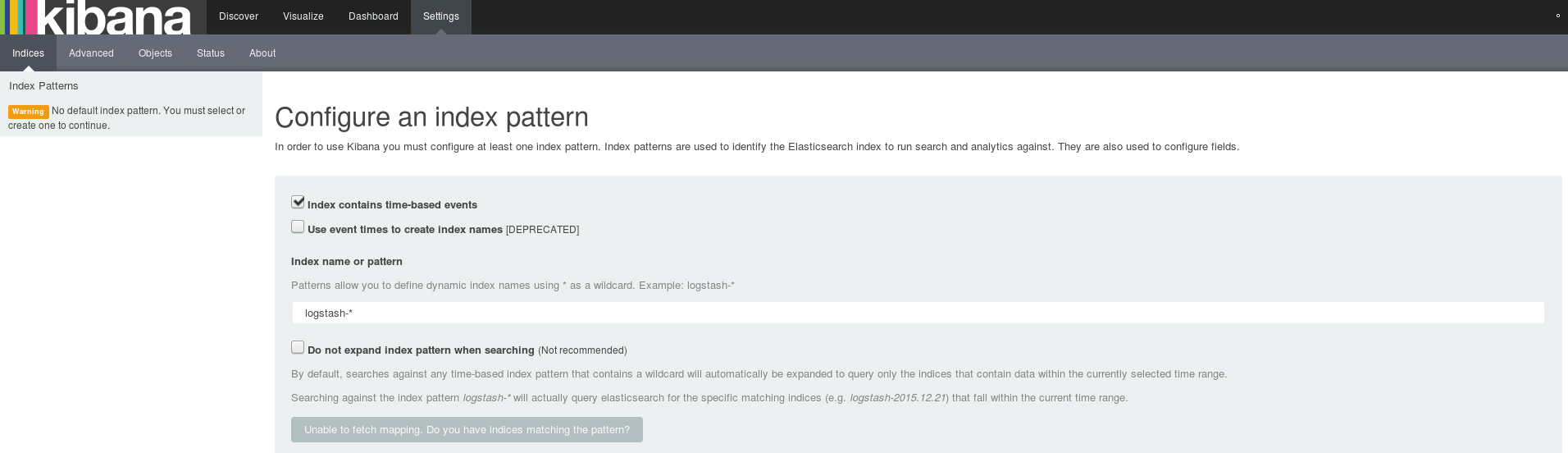
Elasticsearch, Kibana, Logstash and Filebeat – Centralize all your database logs (and even more)

When it comes to centralizing logs of various sources (operating systems, databases, webservers, etc.) the ELK stack is becoming more and more popular in the open source world. ELK stands for Elasticsearch, Logstash and Kibana. Elasticsearch is based on Apache Lucene and the primary goal is to provide distributed search and analytic functions. Logstash is responsible to collect logs from… 
Getting started with Ansible – Creating the PostgreSQL instance

In the last three posts we did the initial Ansible setup, installed the operating system packages, created the PostgreSQL group and user and downloaded, compiled and installed the PostgreSQL binaries from source. In this post we’ll look at how we can use Ansible to create our first PostgreSQL instance. As a reminder this is our current playbook: [ansible@ansiblecontrol ansible]$ pwd… 

Getting started with Ansible – Installing OS packages, creating groups and users

It has been quite a while since the first post in this series: “Getting started with Ansible – Preparations“. If you recap from the initial post Ansible was running on the control host and this simple Ansible command: ansible postgres-servers -a “/bin/echo 11″ -f 5 … was successfully executed against the “postgres-servers” group. So far, so good. Getting Ansible up… 

Getting Ansible up and running on a SLES 12 SP1 host

Recently at a customer we had to setup Ansible on a SLES 12 SP1 host. In comparison to RedHat or Ubuntu based distributions there are some more steps to do as Ansible is not included in the standard SLES repositories. Here we go … Start with the user, group, directories and permissions: host:~ # groupadd ansible host:~ # useradd -g… 

PostgreSQL as a central reporting hub? – Yes, of course

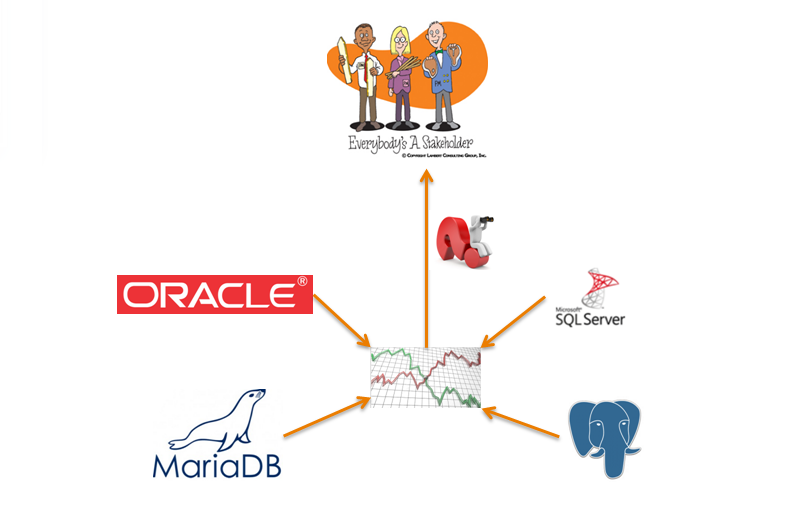
For every client we do projects for there usually are database systems from various vendors. In most places you at least find some Oracle and MS SQL Server databases. Probably somewhere there are even some MySQL/MariaDB or PostgreSQL instance running. The Oracle and MS SQL Server stuff almost always is there because vendors require it. For MySQL/MariaDB the common use… 

Which parameter changes do require a restart of my PostgreSQL instance?

Starting wiht PostgreSQL 9.4 you can change parameters in postgresql.conf with the “alter system” command in psql. In principle every parameter can be changed that way but not every parameter is applied immediately. Some of the parameters require a reload others require a complete restart of the instance. But which of these parameter require what? How can you know which… 

A look at PostgreSQL 9.6 – psql gexec

This little, but powerful, enhancement that it made it in PostgreSQL 9.6 is probably nothing a application can benefit of. But it can be huge saving for people doing maintenance operations on a PostgreSQL instance. It is the addition of the “gexec” meta command to psql. If you want to read where this comes from and how it evolved you… 

A look at PostgreSQL 9.6 – Killing idle transactions automatically

A common issue with databases: The guy at floor 2 did some work on the database and then rashly left for lunch because the lady on floor 1 is already waiting for him. Unfortunately he did not close his transaction and now his session is blocking others. In PostgreSQL this might be even worse as all tuples modified by this… 

A look at PostgreSQL 9.6 – progress reporting for VACUUM operations

Vacuum in PostgreSQL is one of the most important points to consider when managing a PostgreSQL instance. Usually vacuum is running in the background and just gets the job done. But, as always, there are situations when you need to get a closer look at what is going on. PostgreSQL 9.6 (currently in Beta1) introduced a new view which allows…