Skip to content

Open source Team

Posts published under the Open source Team account are collective contributions by the dbi services open infrastructure consultants. The practice covers open-source databases and platforms, PostgreSQL first of all, along with MySQL, MariaDB, and Linux, from architecture, replication, and high availability to performance tuning and operations under service level agreements, and contributes actively to the PostgreSQL community.

721 posts since September 2011

Can I do it with PostgreSQL? – 2 – Dual

In the first post of this series we talked about restore points. Another question that pops up from time to time is how you can do things in PostgreSQL that would require the dual table in Oracle. Lets go … The question is: When do you need the dual table in Oracle? Well, everything time you have nothing to select… 
Can I do it with PostgreSQL? – 1 – Restore points

When discussing with customers about PostgreSQL we often hear that they can do things in one database that they can not do in PostgreSQL. Most of the times this is not true and you actually can do it in PostgreSQL. Maybe not in exactly the same way but this is not surprising as PostgreSQL does implement features not in exactly… 

EDB Postgres Advanced Server 9.6 BETA released

Yesterday EnterpriseDB released the beta of the next version of Postgres Advanced Server. You can sign up for the beta program here and download the software here. As usual this release includes all the features of the community release of PostgreSQL (version 9.6) plus the EDB additions such as Oracle compatibility. The release notes are here.

How to destroy your performance: PL/SQL vs SQL

Disclaimer: This is in no way a recommendation to avoid PL/SQL. This post just describes a case I faced at a customer with a specific implementation in PL/SQL the customer (and me) believed is the most efficient way of doing it in PL/SQL. This was a very good example for myself to remind me to check the documentation and to… 

MariaDB: audit plugin

Why should you Audit your MySQL Instances? First to provide you a way to track user accessing sensible data Secondly to investigate on suspicious queries in all your critical databases Thirdly to comply with law and industry standards The MariaDB Audit Plugin can help you to log all or part of the server activity as: – who was connected and… 

How to install Mirantis OpenStack 9.0 using VirtualBox – part 3

In the two first blogs, I installed the Fuel environment and deployed OpenStack in the Fuel slave nodes and all of that from the Fuel Master node. In this blog, I will show you  all the steps to follow in order to create an instance in OpenStack. All is going to be done via the Command Line Interface and not… 

How to install Mirantis OpenStack 9.0 using VirtualBox – part 2

The  last blog ended up with a successful installation of the Fuel Master. In this blog, I will deploy Openstack on the three Fuel slave nodes. The first node will be the controller node and all these components run on it: a MySQL database RabbitMQ : which is the message broker that OpenStack uses for inter-communication (asynchronous) between the OpenStack… 

How to install Mirantis OpenStack 9.0 using VirtualBox – part 1

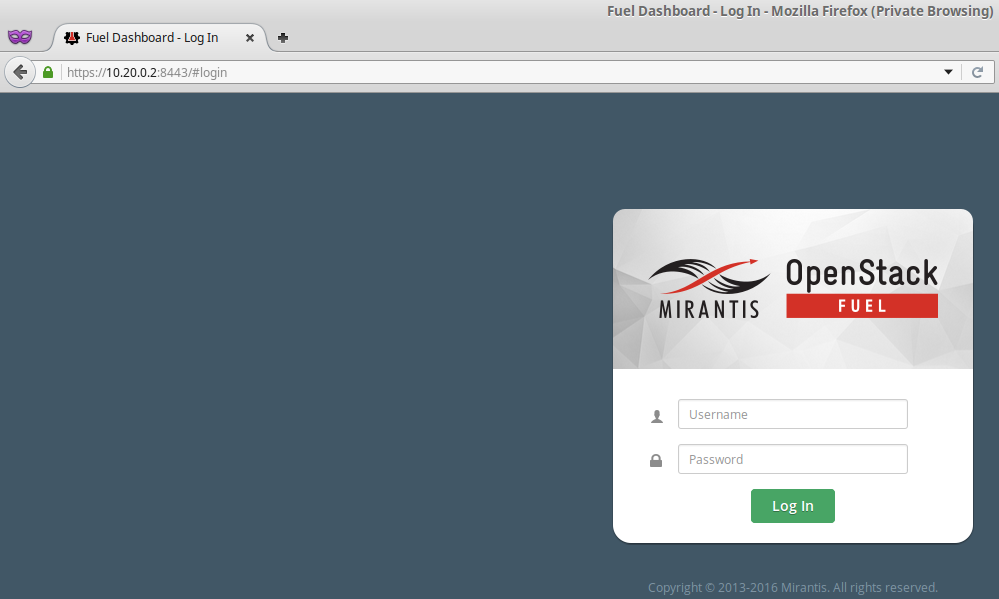
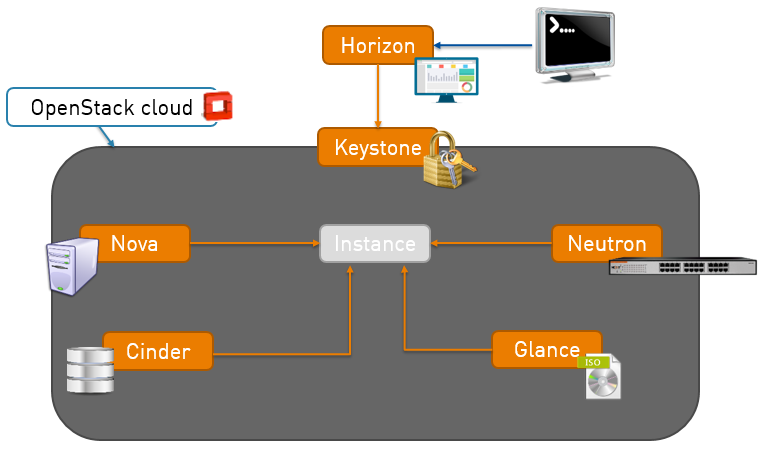
In this series of  blogs, I am going to  give a quick overview of OpenStack and learn how to install it using Mirantis. “Mirantis is the #1 pure play OpenStack company. More customers rely on Mirantis than any other company to scale out OpenStack without vendor lock-in” (source: https://www.openstack.org/marketplace/distros/distribution/mirantis/mirantis-openstack) OpenStack is an open source Infrastructure as a Service (IaaS) platform… 

OTN Appreciation Day : ADVM

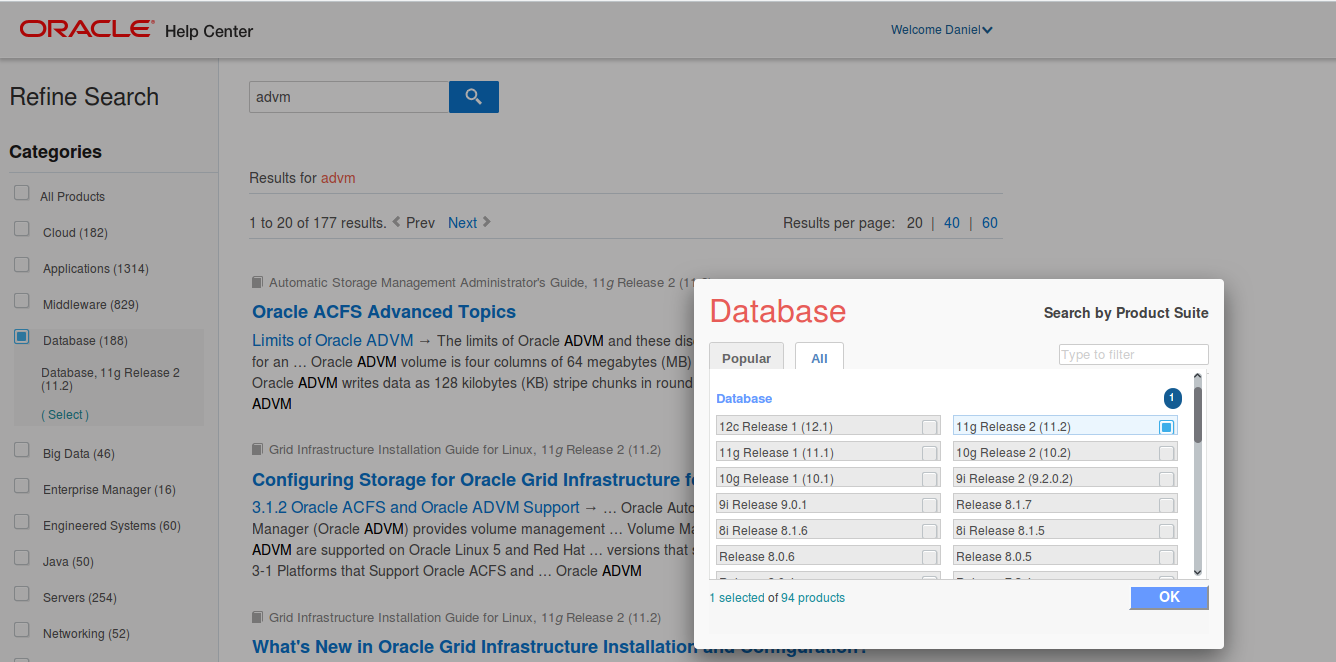
Tim Hall had the idea that as many people as possible would write a small blog post about their favorite Oracle feature and we all post them on the same day. Here is my favorite feature: ADVM – The Oracle ASM Dynamic Volume Manager. So, what is it? The docs tell you this: “Oracle ASM Dynamic Volume Manager (Oracle ADVM)… 

How to patch Postgres Plus Advanced Server in a Standby configuration

In the last post we looked at how you can patch a Postgres Plus Advanced server. Wouldn’t it be nice, in a standby configuration, to patch the standby first without touching the master, then do a controlled switchover and finally patch the old master? In case this is a configuration with EDB Failover Manager the only downtime which would happen… 

Fun with PL/SQL code reviews – Part 1

For quite a long time I did not work anymore with PL/SQL and was quite happy when I had the chance to review some code at a customer. The status today: I am not that happy anymore 🙁 Let me explain why and show you some examples on what was discovered. Of course all of the identifiers have been obfuscated… 

How to patch Postgres Plus Advanced Server

As with any other software there comes the time when you need to patch your Postgres Plus Advanced Server instances. Is that different from patching Community PostgreSQL? Yes and no 🙂 The difference is that you need a subscription to get access to the EDB Customer Portal for being able to download the patch. This is pretty much the same…