SQL Server vs MongoDB: When the cloud is your adversary (Always Encrypted vs Queryable Encryption)
When the cloud admin is the threat: how SQL Server and MongoDB let you query encrypted data, and what each approach costs.

When the cloud admin is the threat: how SQL Server and MongoDB let you query encrypted data, and what each approach costs.

Introduction: MongoDB and Redis are both NoSQL databases.In other words they don’t use “traditional” relational database to manage data. Although they have the same label – NoSQL – their storage concepts are very different: MongoDB stores data on disk, whereas Redis is an in-memory database. These aren’t the only differences between these two great tools, and that’s what we’re going…

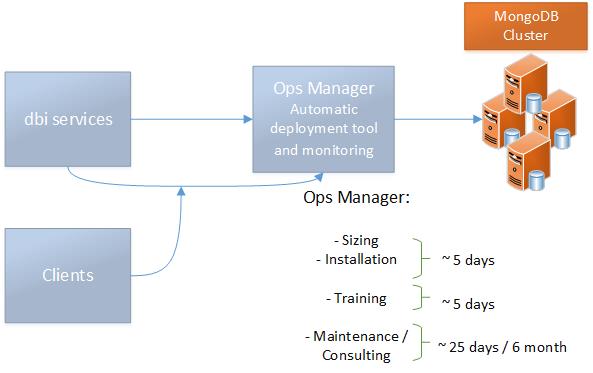
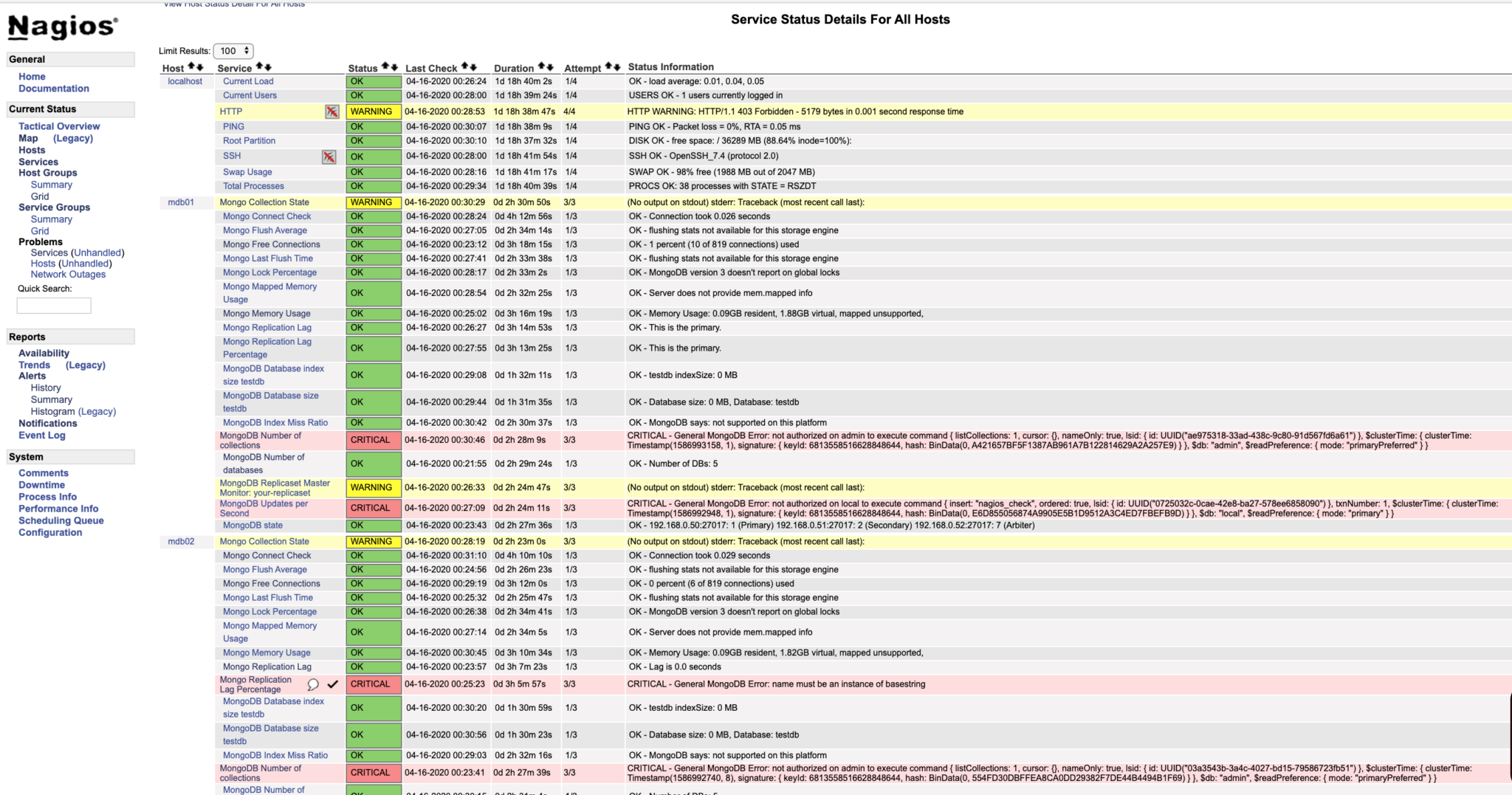
The question comes frequently: How can I monitor my MongoDB cluster (ReplicaSet or Sharded) in a production environment? To answer this question we need first to get an overview of all potential monitoring solutions, and then compare them one by one. That’s exactly what we gonna do in this blog post series of MongoDB Monitoring solutions. Actually, a few monitoring…
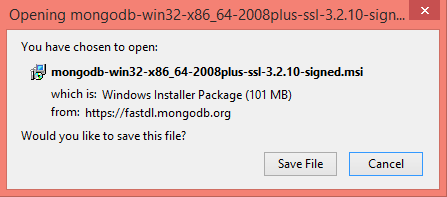
In this blog post, we will show how to install MongoDB on Windows. Download installer First go to the MongoDB download center https://www.mongodb.com/download-center#community. According to your Windows server version, click on the green buton and download the installer (.msi). In our example, we will use the MongoDB Community version for Windows Server 2008 and later. Important: MongoDB is available exclusively…
MongoDB is an open source NoSQL database management system document-oriented. MongoDB allows the manipulation of structured and unstructured data. It is schema-less and can be used to store a large data volume. This blog is explaining the main principle of the DBMS. MongoDB stores data in documents. These documents are stored in BSON types, the JSON binary format. Actually, we…
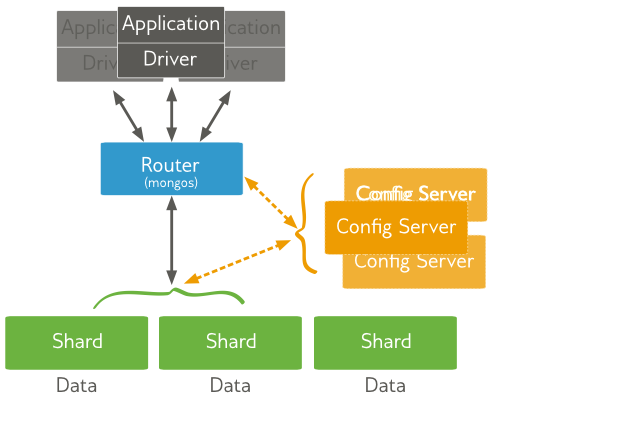
Tuesday, October 6th 2015, I attended to MongoDB Days France in Paris. The presentation was directly organized by MongoDB (10gen). Several presentations have be done to show how to use and deploy MongoDB in real cases. MongoDB is a NoSQL database that provide high availability, data sharding and good performances in specific contexts. The event started with 2 global sessions…