Skip to content

Linux

De-Ubuntu Ubuntu

Canonical is consistently promoting Snap Integration in the Ubuntu world with all its market power. However, many do not like this development with Ubuntu. But what options do you still have as an Ubuntu user if you don’t necessarily want to change the distribution? I’ll show you how to run Ubuntu 20.04 with Flatpak instead of Snap and get rid… 
CentOS 8 binary compatible alternatives

There is a lot of roumors around since it was anounced to switch CentOS 8 from a Downstream Build from RHEL 8 to a Upstream Build for RHEL 8 on December 8th 2020. Many people asked why a second Upstream to Fedora and the way of communication choosen was sub optimal in diplomatic words. Cutting the support date from 31st… 

Automating Linux patching with Ansible

Since the beginning of the year, several vulnerabilities have been discovered in the Linux Kernel as well as in others important and widely-used packages. Among them, there was the famous CVE-2021-3156 affecting the sudo package and allowing any unprivileged user to gain root privileges. This one had a base score of 7.8, which is considered as high. This kind of… 

Linux perf-top basics: understand the %

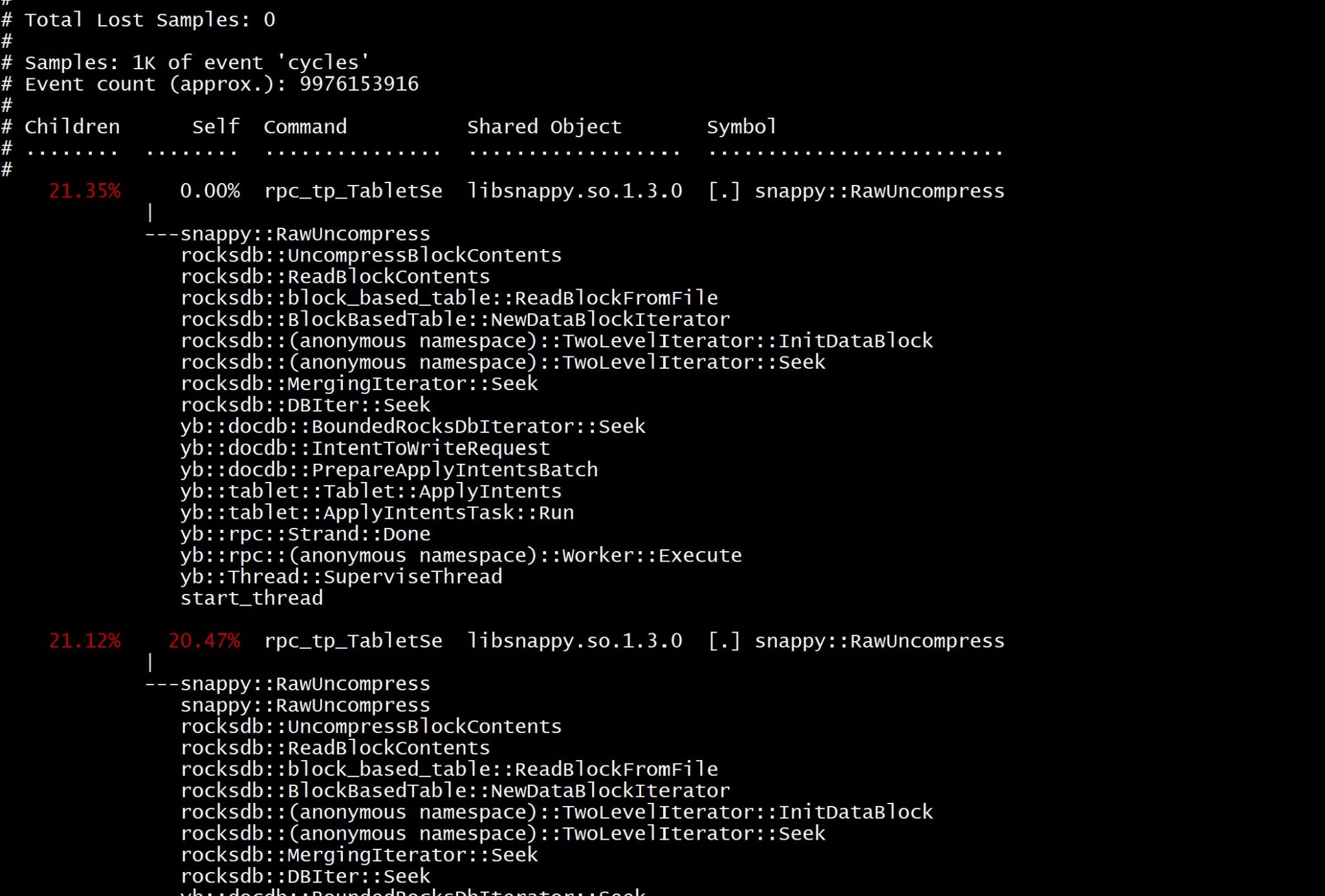
By Franck Pachot . Linux kernel has a powerful instrumentation that can be accessed easily. When you want to drill down into your program functions to understand their CPU usage, “perf” is the easiest. It can attach to the processes, sample the CPU cycles, get the symbol name, or even the call stack. And display an histogram of sample counts.… 

SUMA Server Part 2

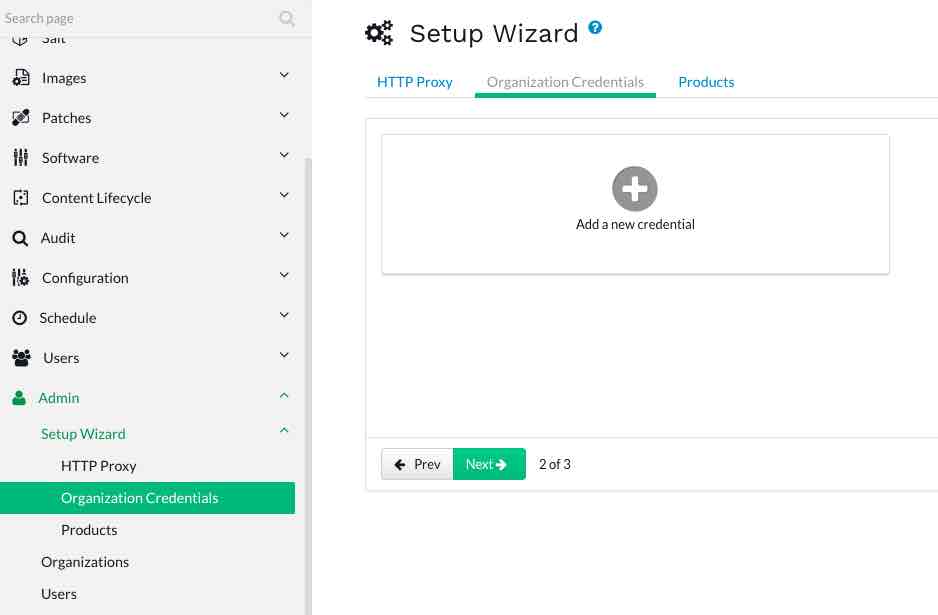
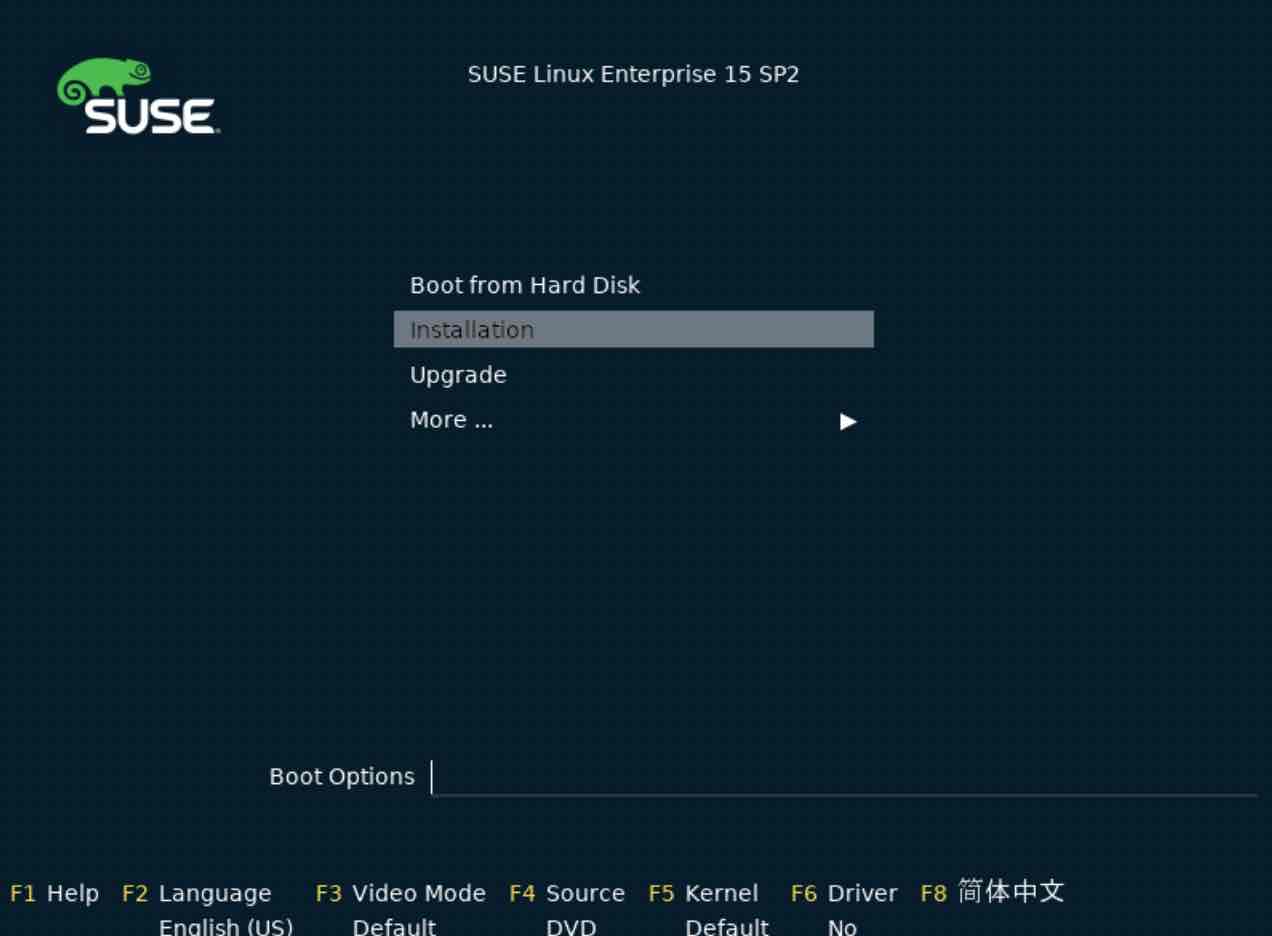
In my previous Blog I wrote how to install and configure SUSE Manager. In this Blog I will go more in the deep like repository management and PXE boot configuration. Configuring repository To syncronize products from SUSE repository, you need configure first the Organization Credentials. To get your username and password for repository you need to go: https://scc.suse.com/ Login with… 

PostgreSQL on Linux: what is cached?

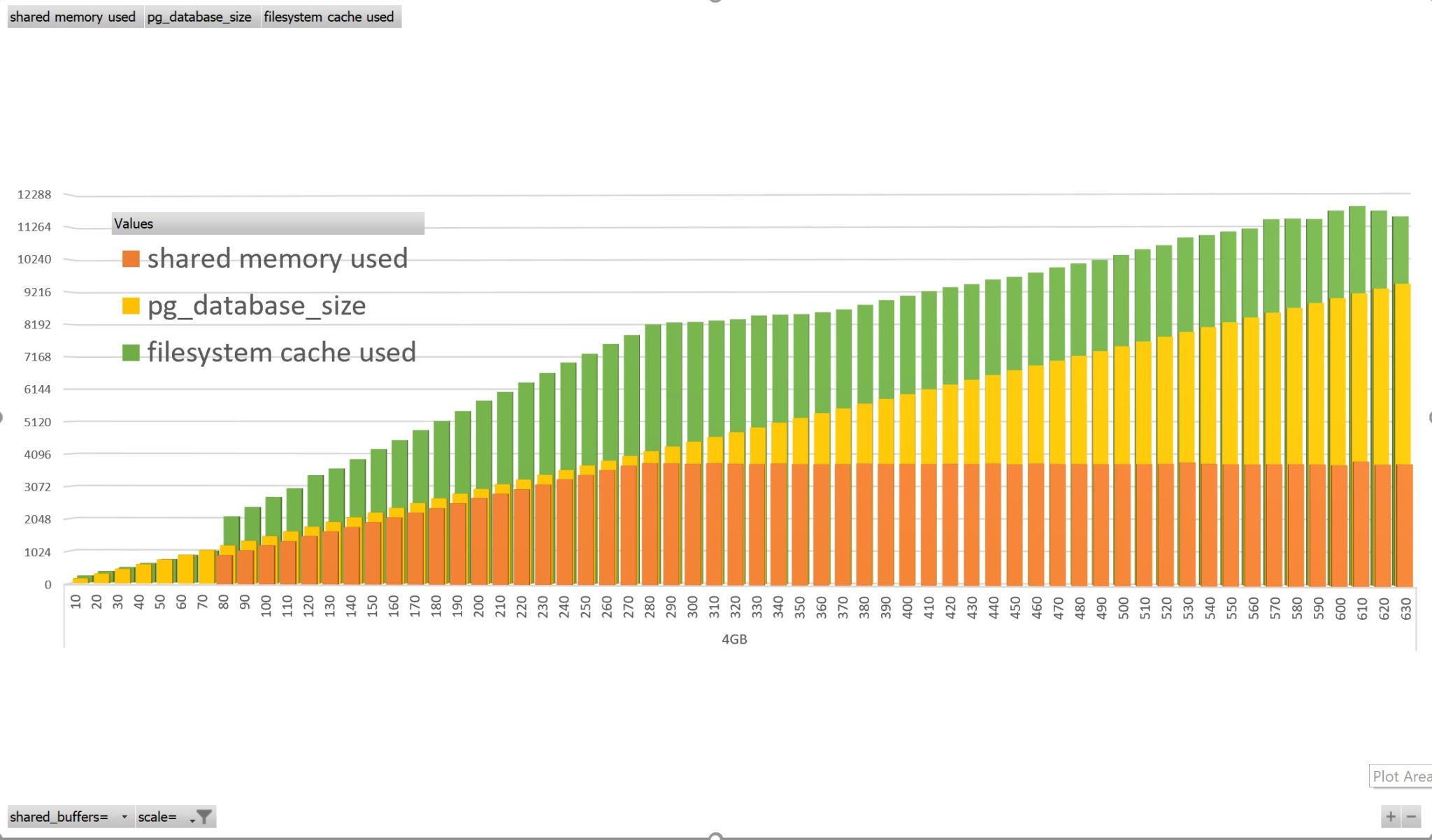
By Franck Pachot . In a recent tweet I wanted to highlight the importance of knowing what you measure with pgbench, because looking at “Transactions per second” without knowing if you are in shared buffer cache hits, or filesystem cache hit, or storage cache hit, or physical read… is just meaningless: When you run the #postgres builtin pgbench, you should… 

SUSE Manager installation

In this Blog I will write the requirements and steps to install SUSE Manager Server. Maybe you heard about SUSE Manager but you could not understand why a SUSE Manager Server (SUMA) can help to manage your server environments easier. How can SUMA help you? Without automated processes, the systems management overhead increases, and this leadS to increased costs. Get… 

Pressure Stall Information on Autonomous Linux

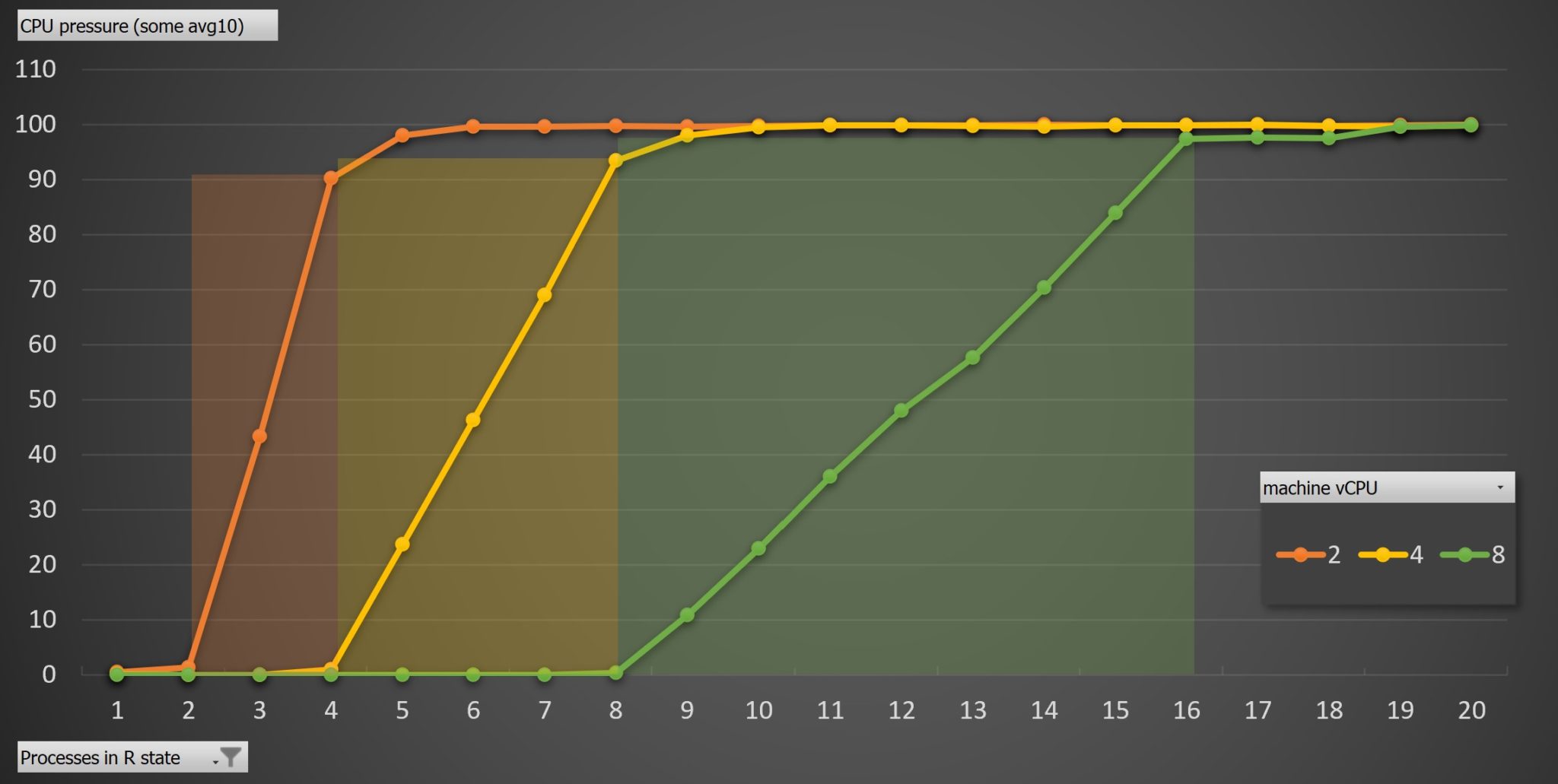
By Franck Pachot . The Linux metrics that are usually considered for performance monitoring and troubleshooting have many drawbacks and frequent misinterpretations. The recent kernels provide PSI (Pressure Stall Information) which is not enabled by default in Oracle Linux “unbreakable” kernel. However, the kernel is compiled with it. Here is how to enabled it in a newly create Autonomous Linux… 

How to prepare for the SLES 15 Admin certification.

My Background Since I started at dbi services sa (before 3 Weeks), I was working and preparing for the SUSE Linux Enterprise 15 certification. I had worked with other Linux distributions like CentOS, Ubuntu and Debian on my old employer. With my basic Linux knowledge I was able to administrate Apache and nginx with virtual hosts, SSL Encryption with Let’s… 

Oracle Autonomous Linux: cron’d ksplice and yum updates

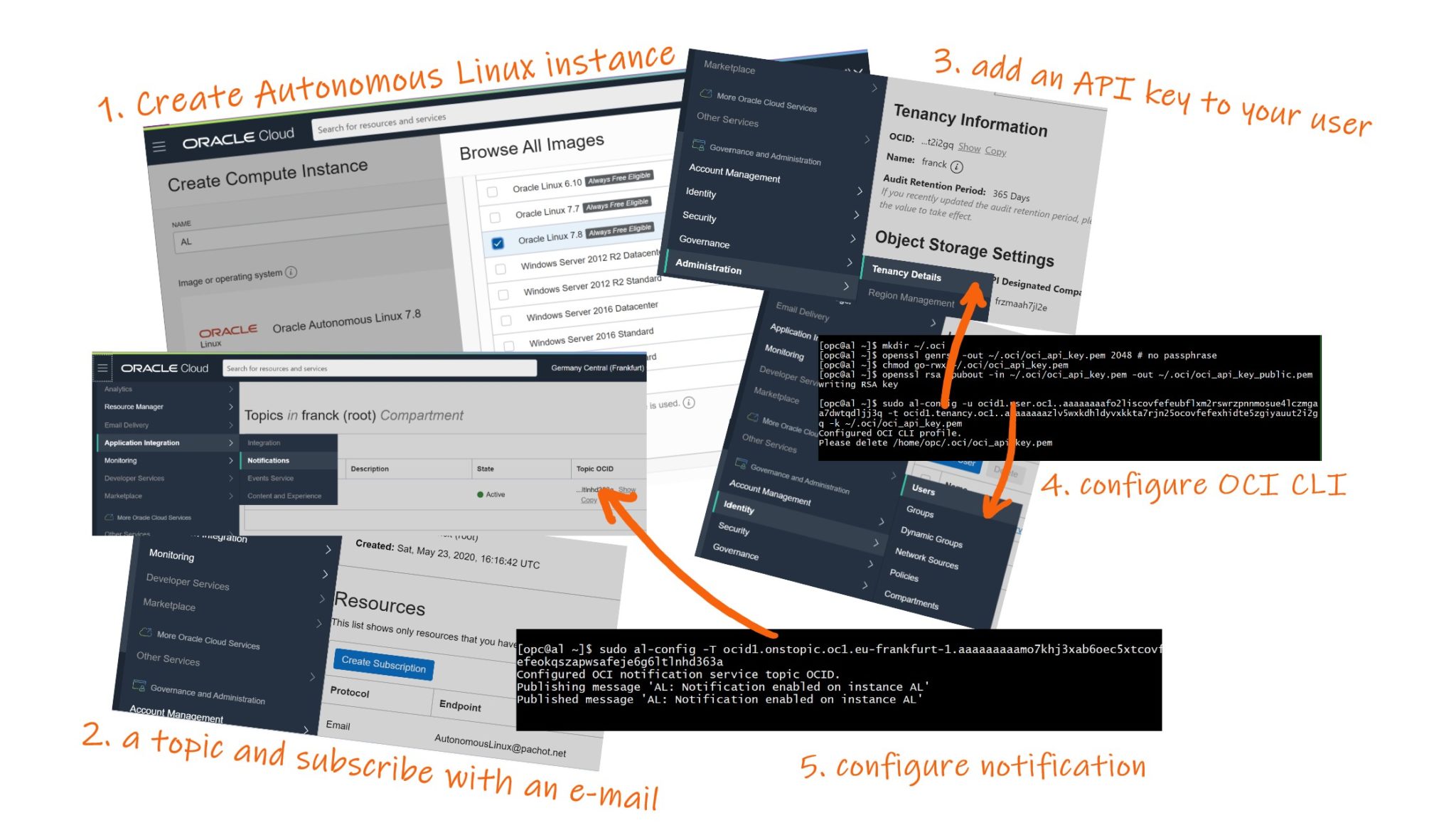
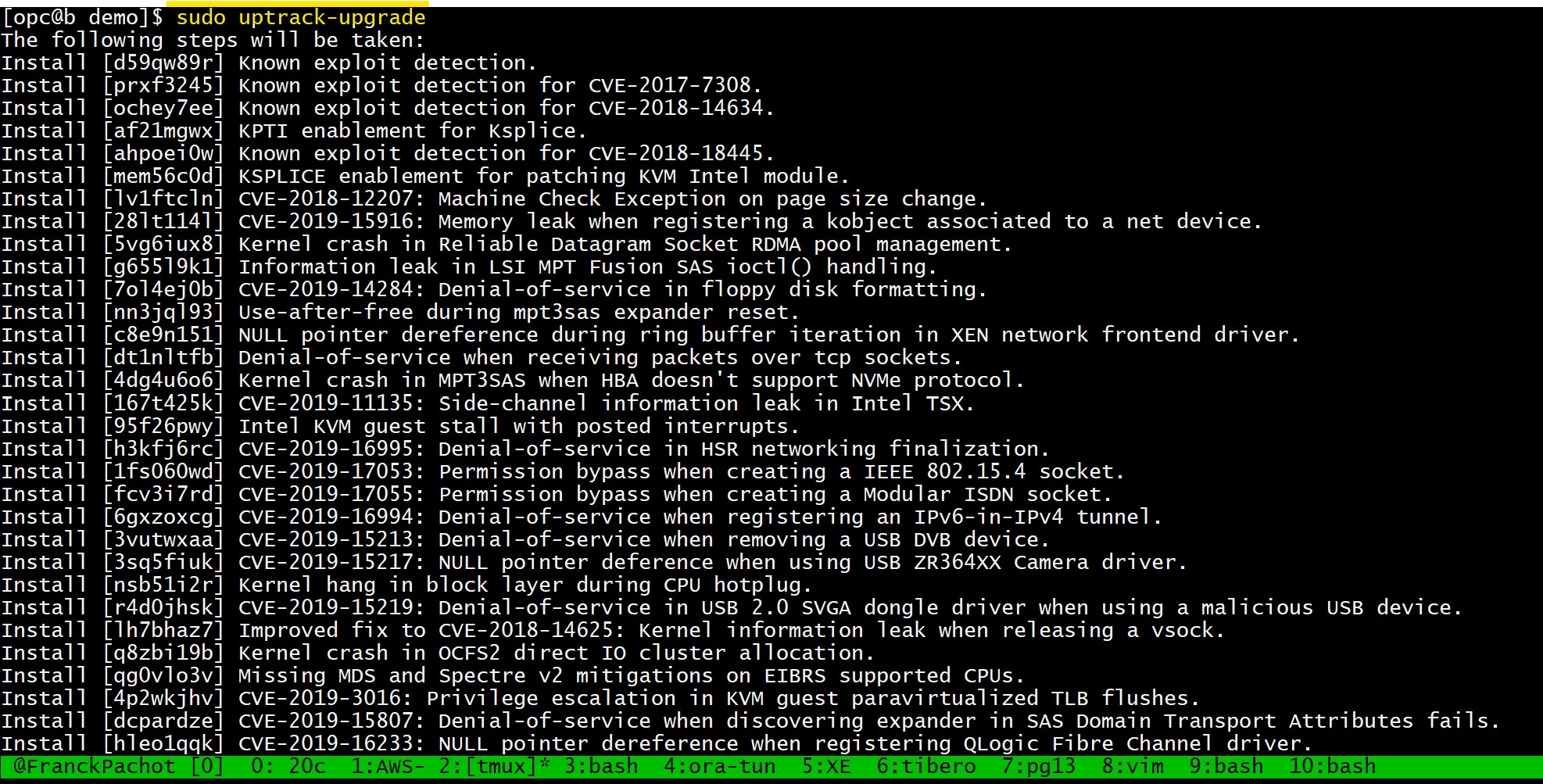
By Franck Pachot . Oracle Enterprise Linux (OEL) is a Linux distribution which is binary compatible with Red Hat Enterprise Linux (RHEL). However, unlike RHEL, OEL is open source, free to download, free to use, free to distribute, free to update and gets free bug fixes. And there are more frequent updates in OEL than in CentOS, the free base… 

Documentum – LSS registerOracleVersionView script with wrong content

As discussed in a previous blog, working with LSS might prove a little bit challenging from time to time. In this blog, I wanted to share an error I saw while installing LSS 16.6.1 on an Oracle database. Initially, I developed my silent installation for LSS (while encapsulate the LSS silent scripts provided by OpenText) using a PostgreSQL database because…