Skip to content

DBA

How to read XML database alert log?

Since Oracle 11g, Oracle maintains two copies of the database’s alertlog in ADR: a flat text file in the sub-directory trace and an XML like in the folder alert. I had a case recently at a customer where the log.xml was moved to another place and compressed for archiving reason. As the regular text file was not containing old data, the… 

SQL Server 2016 CTP3.0: Stretch Database enhancements

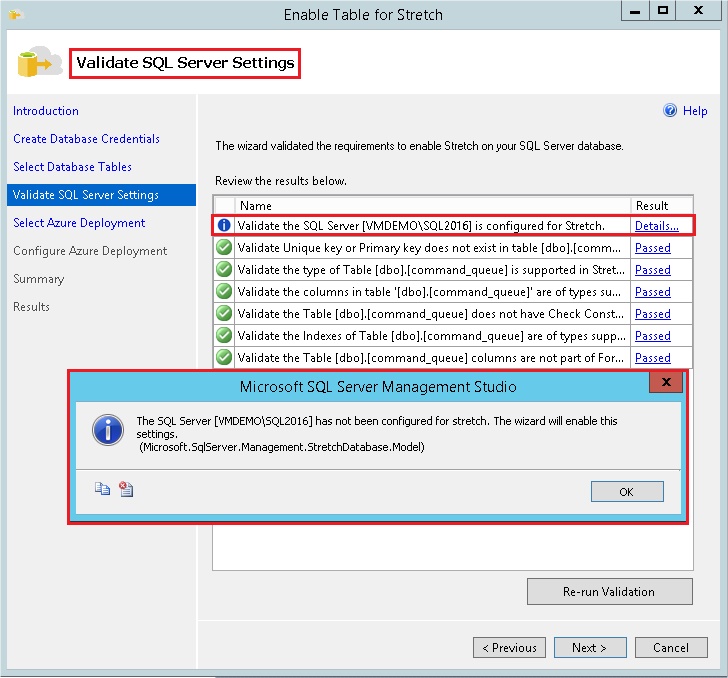
Some months ago, my colleague Nathan explained you the bases of the new Stretch Database functionality via two blogs here and here. With the new SQL Server 2016 CTP 3.0, Stretch Database now includes new features and enhancements that I will sow you in this blog.   In previous versions of SQL Server 2016 CTP 2.x, before to be allowed… 

Instance fails to start automatically

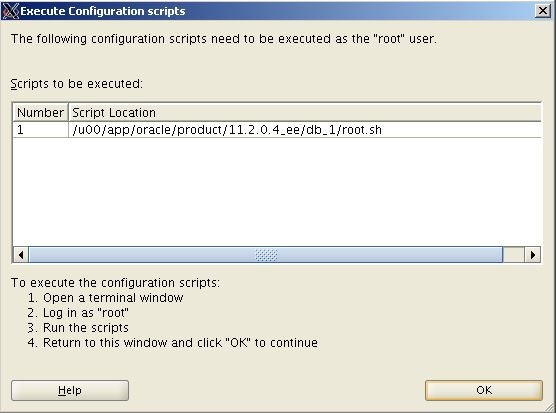
Recently at a customer I was confronted with a problem of restarting the Oracle Database 12c automatically on a Windows Server 2008 R2 x64. I installed Oracle 12.1.0.1.0 with a user of service in a domain who has member of the Group ORA_DBA. The authentication service is correctly set with the NTS parameter in the sqlnet.ora file. This Installation has… 

Oracle DBA Essentials Workshop – Patchset 11.2.0.4 Available

We have Upgrade our Environment Oracle DBA Essentials Workshop of release 11.2.0.3 to 11.2.0.4. From now on, you can operates the various subjects on the new release. In this article, I present you the procedure to be followed for the upgrade of your database: Update DMK to the version 14-10 Upgrade database Install Oracle Patchset 11.2.0.4 and PSU Update DMK… 

Oracle 12c duplicate in cluster fails with ORA-65500

I had to perform a duplicate database between 2 ODAs and was always facing an ORA-65500 at the begin of the RMAN operation. Looking a bit deeper in the log outputs pointed me out that it was due to some changes in the way RMAN makes the duplicate in 12c and cluster resources management. Basically up to 12c when RMAN… 

ACFS 12.1.0.2 on Oracle Linux 7.1

Recently we wanted to create an ACFS filesystem on a brand new 12.1.0.2 GI installation on Oracle Linux 7.1. According to the documentation this should not be an issue as “Oracle Linux 7 with the Unbreakable Enterprise kernel: 3.8.13-33.el7uek.x86_64 or later” is supported. The “or later” is the important point. In our case: uname -a Linux racp1vm1 3.8.13-55.1.6.el7uek.x86_64 #2 SMP… 

PostgreSQL for Oracle DBAs – an introduction

Having worked for several years as an Oracle DBA, I decided to have a look at the PostgreSQL database and see how it functions in comparison to the Oracle Database. The “Enterprise DB” graphical installation of PostgreSQL 9.3 is quite easy and rather fast. Under Linux you run the graphical installer, dialog boxes lead you through the installation process. You… 

SQL Server 2014: An overview of the New Features

The Microsoft Techdays 2013 took place on 12-13 November at the Congress Center in Basel and on 18-19 November at the Beaulieu Congress Center in Lausanne. With more than 400 participants in Lausanne and around 1’000 participants in Basel, the largest technology event Microsoft in Switzerland was a great success. You can follow all the presentations from Lausanne or Basel.… 

Wie kann ich Indexes und Daten mittels Data Pump trennen?

Diese Frage habe ich in den letzten Jahren öfters gehört. Zumindest seitdem die DBAs Oracle Datapump verwenden anstatt des alten Export/Import Tools. Angeblich war es früher mit dem Import-Parameter-Tool „INDEXFILE“ viel einfacher. Tja, die Wahrheit ist: Mit Datapump geht es noch leichter! Dies möchte ich anhand eines ganz normalen Datapump-Export–Files verdeutlichen. In folgendem Beispiel handelt es sich um einen einfachen Schema-Export,… 

PostgreSQL: Un aperçu des outils d’administration

Nous avons dans les articles précédents vu comment installer PostgreSQL et quels étaient les composants d’une base. Nous abordons maintenant le point de l’action
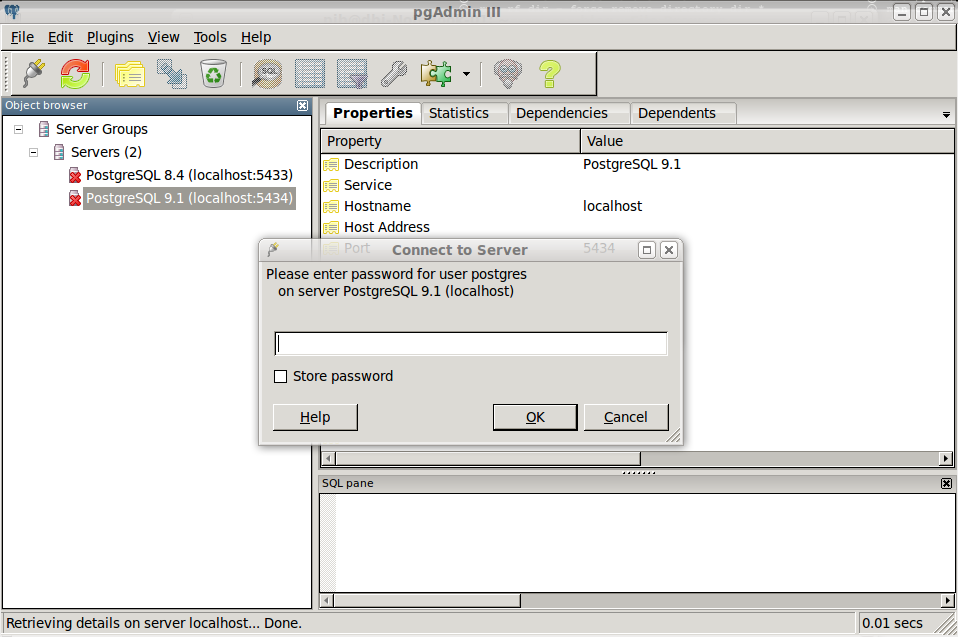
sur le moteur avec deux outils orientés administration de la base, généralement utilisés par les DBAs. Il s’agit de psql et de PgAdmin. Nous aborderons aussi dans cet article la configuration de connexion au travers des

… 

PostgreSQL : Qu’ai-je installé, Où sont mes données ?

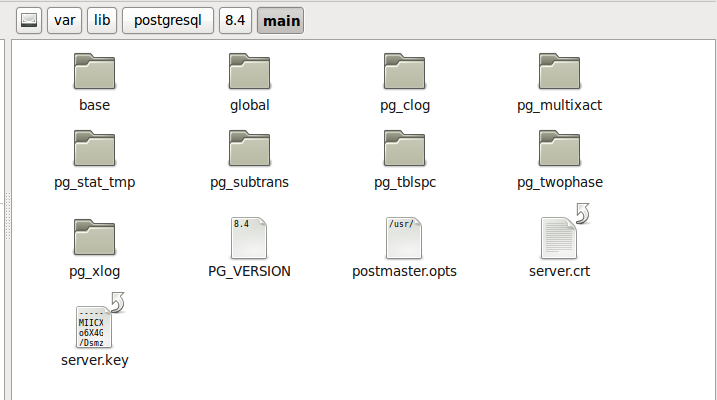
Dans mon dernier article sur PostgreSQL, j’ai présenté l’installation du logiciel en explorant les 2 solutions suivantes, l’installation Debian et l’installation EntrepriseDB. Ces deux installations créent immédiatement un cluster de base de données, Debian nous imposant le point de stockage et EntrepriseDB nous proposant de saisir une destination. Je vous propose maintenant d’explorer ce qui a été installé sur votre

…