Skip to content

Autonomous

An overview of “Oracle Cloud Infrastructure: everything for an efficient migration” event by dbi services

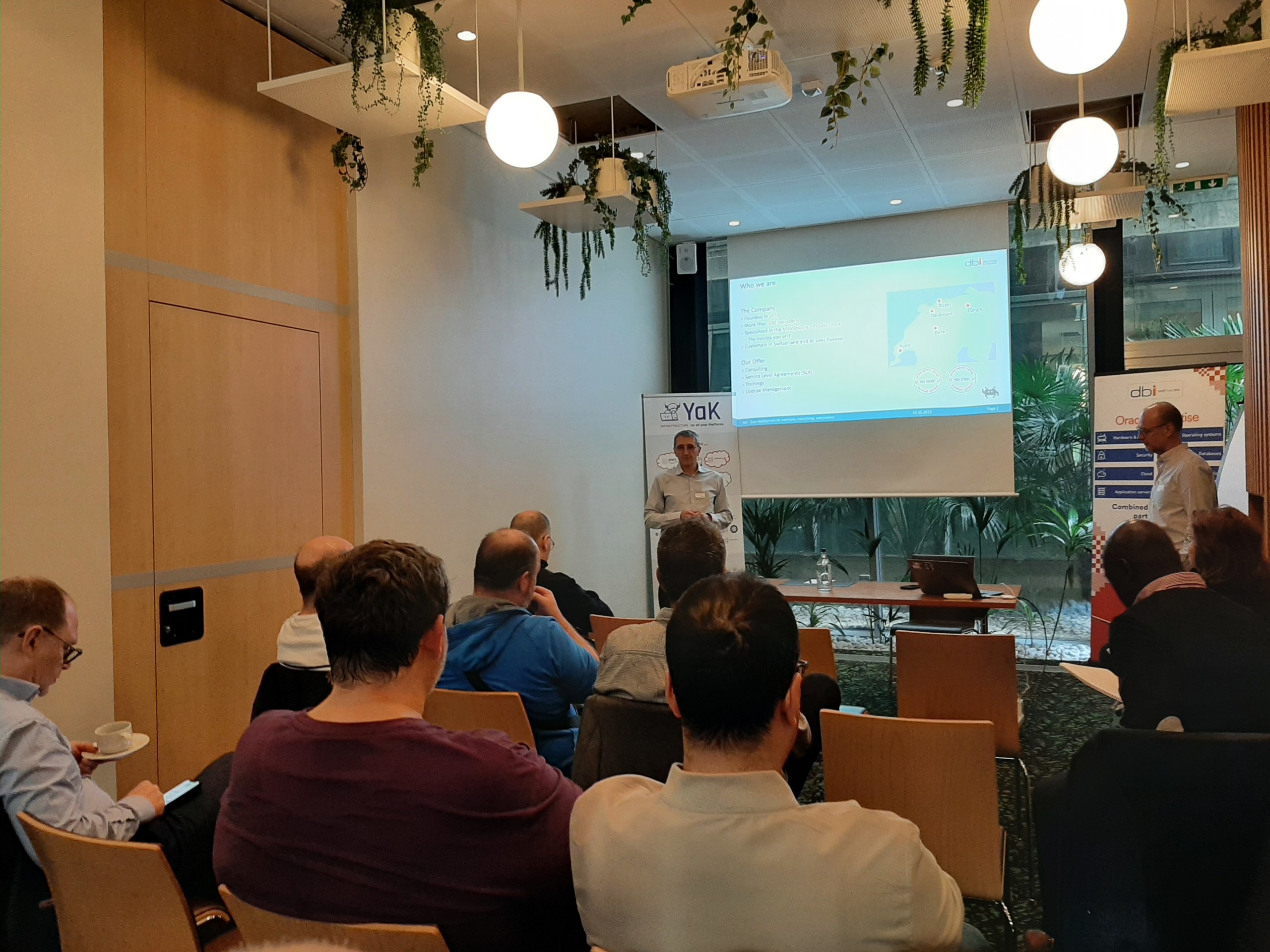
Is the Oracle Cloud a hot topic for you? dbi services organized an event about the Cloud today in Lausanne: “Oracle Cloud Infrastructure: everything for an efficient migration“. After a welcome coffee to meet each other, Pascal Zanette shortly introduced the event and the agenda of the day. Our CTO Hervé Schweitzer presented then YaK, developed by dbi services.The idea… 
First contact with OCI’s Autonomous Database

Introduction Benefits of going into the Oracle Cloud (OCI) are clear for most of us: no more datacenter and hardware to manage. But what else? On OCI, you can also decide to get rid of part of the DBA tasks (the less interesting ones, for sure). To create your Oracle database environment, you need to choose among these 3 solutions… 

Recovery in the ☁ with Oracle Autonomous Database

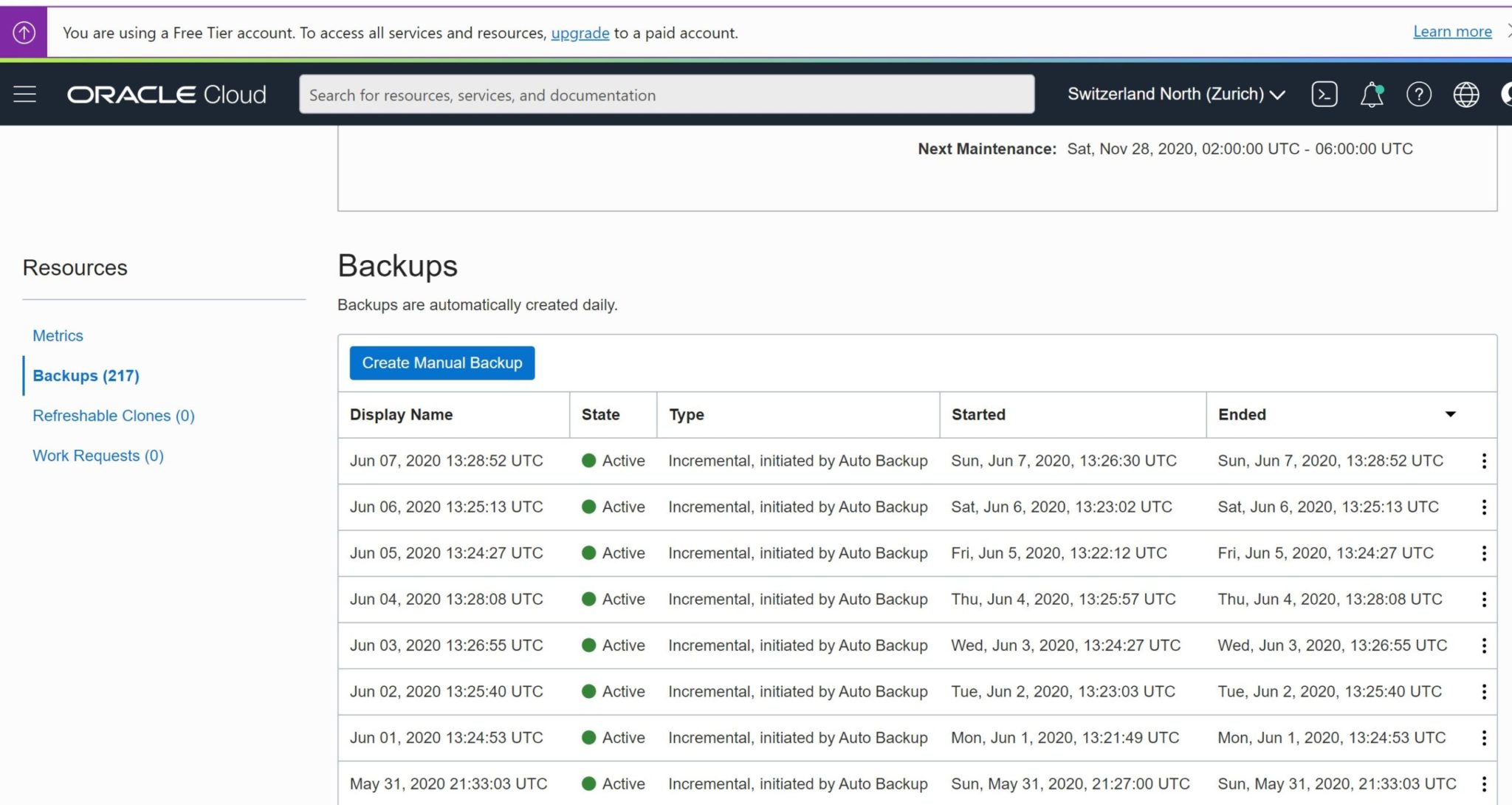
By Franck Pachot . I’ll start this series with the Oracle Autonomous database but my goal is to cover the Point In Time recovery for many managed databases in the major cloud providers. Because I’ve seen lot of confusion about database backups (see What is a database backup (back to the basics)). On one side, in a managed database, we… 

Troubleshooting performance on Autonomous Database

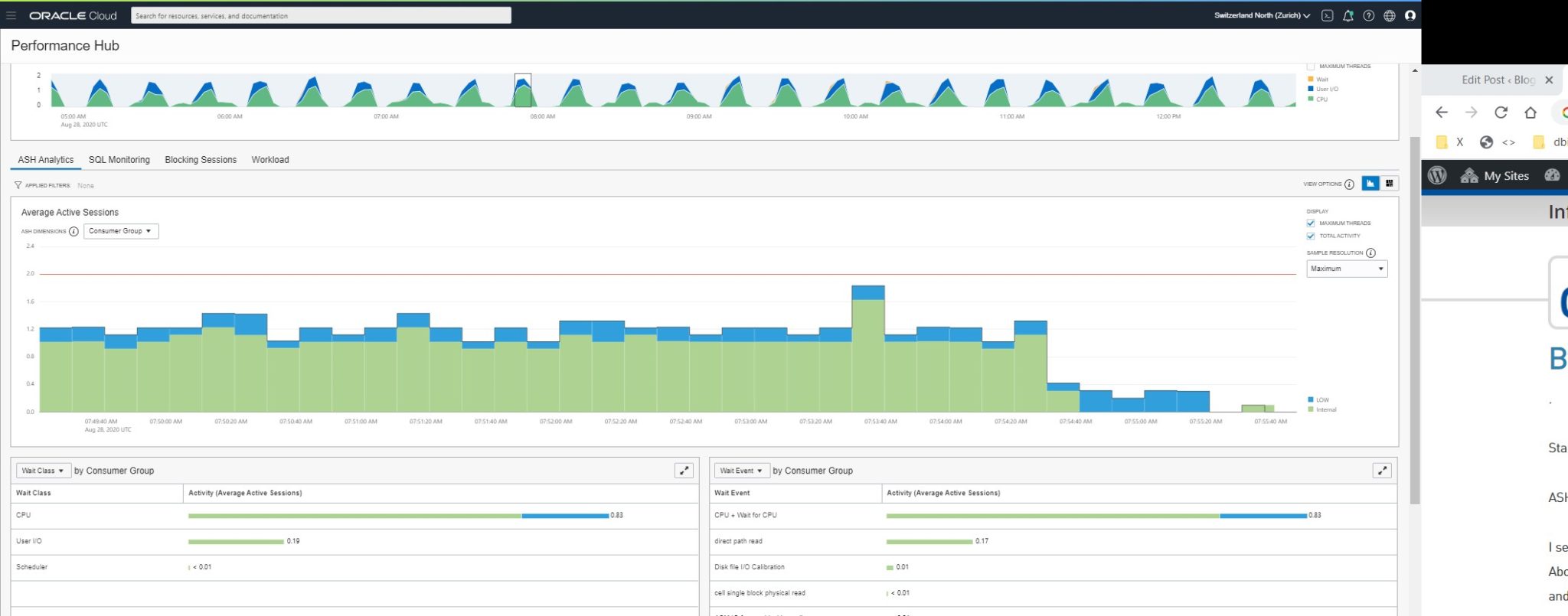
By Franck Pachot . On my Oracle Cloud Free Tier Autonomous Transaction Processing service, a database that can be used for free with no time limit, I have seen this strange activity. As I’m running nothing scheduled, I was surprised by this pattern and looked at it by curiosity. And I got the idea to take some screenshot to show… 

The myth of NoSQL (vs. RDBMS) “a simpler API to bound resources”

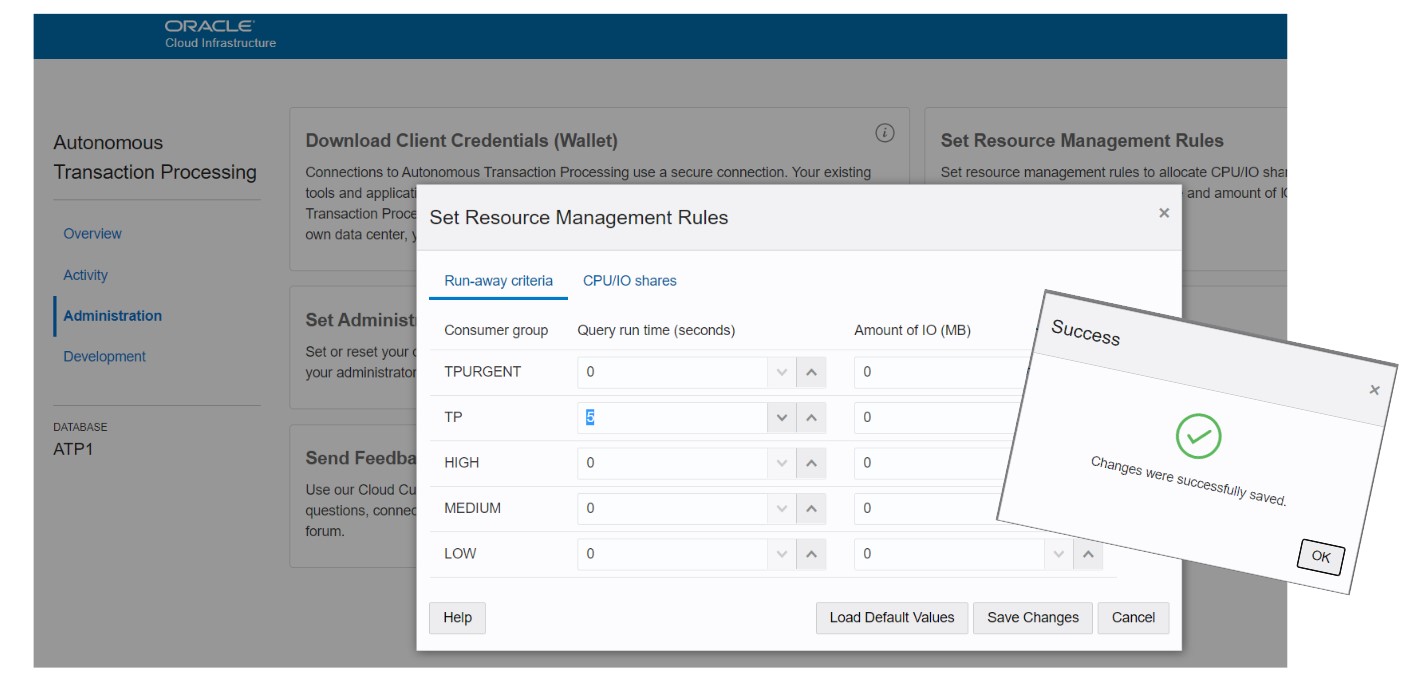
By Franck Pachot . NoSQL provides an API that is much simpler than SQL. And one advantage of it is that users cannot exceed a defined amount of resources in one call. You can read this in Alex DeBrie article https://www.alexdebrie.com/posts/dynamodb-no-bad-queries/#relational-queries-are-unbounded which I take as a base for some of my “Myth of NoSQL vs RDBMS” posts because he explains… 

A Serverless Standby Database called Oracle Autonomous Data Guard

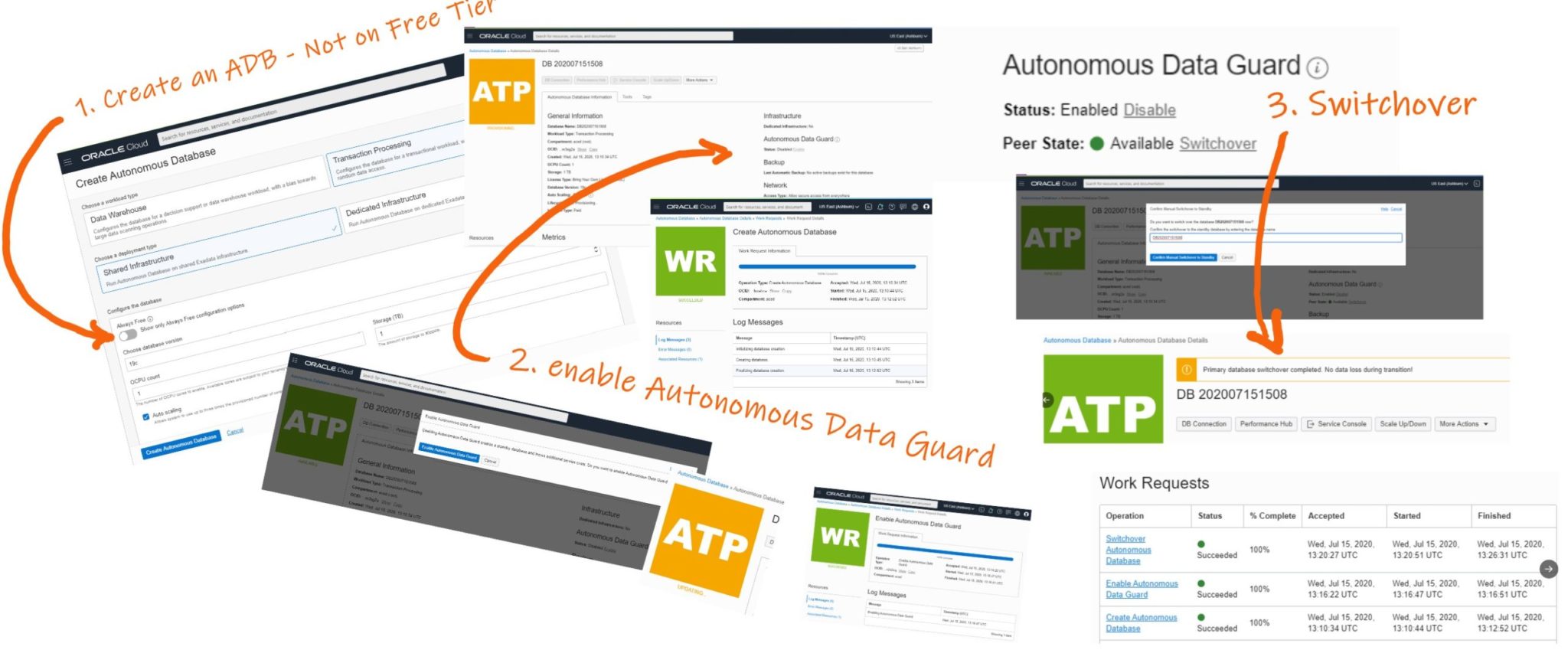
By Franck Pachot . Announced by Larry Ellison last week, here it is: the Autonomous Data Guard. You can try it, unfortunately not on the Free Tier. First you create an Autonomous Database (ATP or ADW) and then you enable Autonomous Data Guard. You know that “Autonomous” is the marketing brand for the services that automate a lot of things,… 

Oracle Autonomous Linux: cron’d ksplice and yum updates

By Franck Pachot . Oracle Enterprise Linux (OEL) is a Linux distribution which is binary compatible with Red Hat Enterprise Linux (RHEL). However, unlike RHEL, OEL is open source, free to download, free to use, free to distribute, free to update and gets free bug fixes. And there are more frequent updates in OEL than in CentOS, the free base… 

ATP vs ADW – the Autonomous Database lockdown profiles

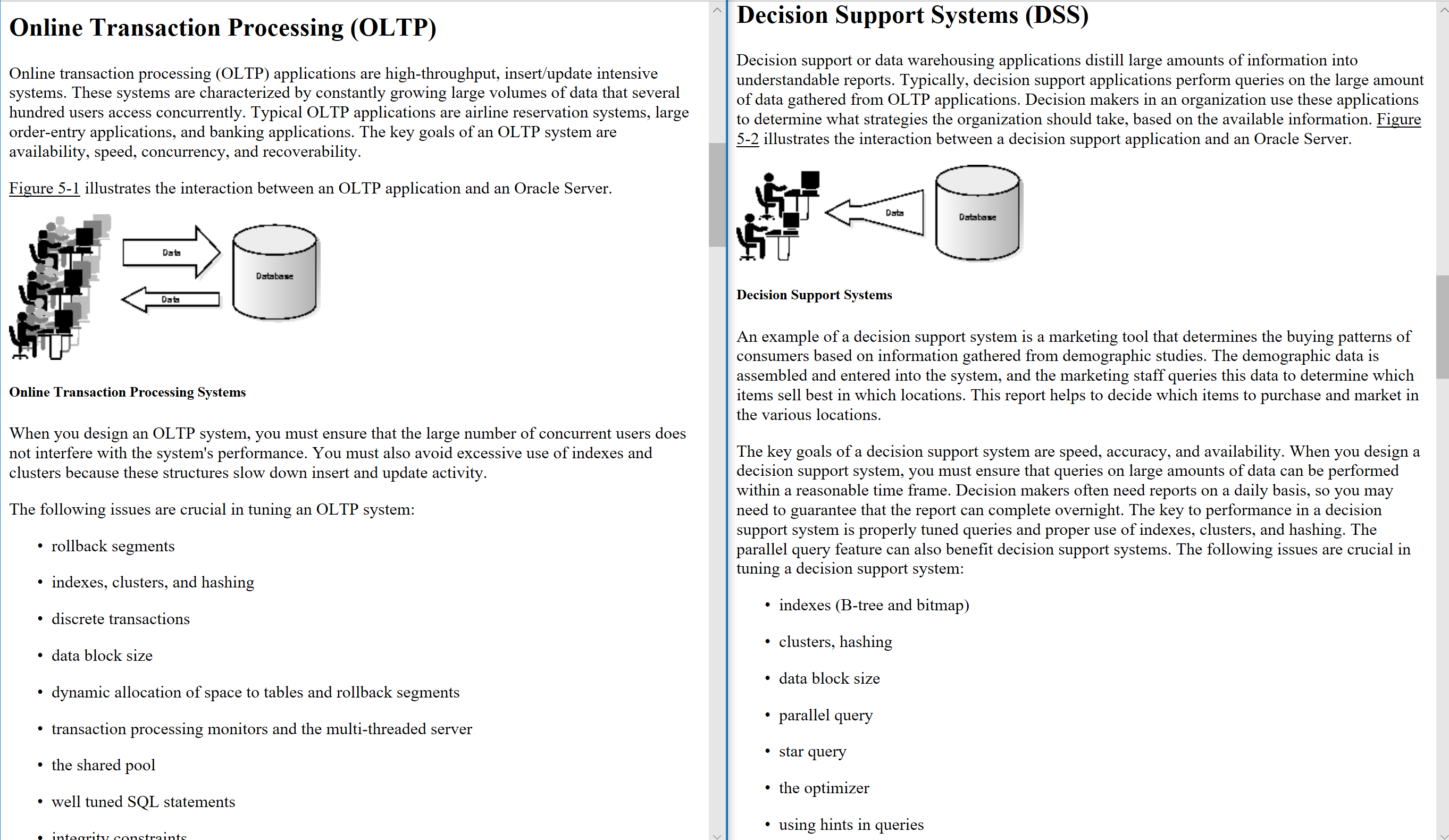
By Franck Pachot . The Oracle database has always distinguished two types of workloads: transactional (OLTP) and datawarehouse (VLDB, DWH, DSS, BI, analytics). There is the same idea in the managed Oracle Cloud with two autonomous database services. To show how this is old, here is how they were defined in the Oracle7 Tuning Book: The definition has not changed… 

ADWC – System and session settings (DWCS lockdown profile)

By Franck Pachot . The Autonomous Data Warehouse Cloud service is a PaaS managed service where we have a PDB and an ADMIN user which has most of the system privileges. For example, we have the privilege to change initialization parameters: SQL> select * from dba_sys_privs where grantee=user and privilege like ‘ALTER S%’;   GRANTEE PRIVILEGE ADMIN_OPTION COMMON INHERITED ——-… 

ADWC – connect from your premises

By Franck Pachot . In the previous post about the Autonomous Data Warehouse Service, I’ve run queries though the Machine Learning Notebooks. But you obviously want to connect to it from your premises, with SQL*Net. Of course the connection, going through the public internet, must be secured. If you already use a managed service like the Oracle Exadata Express Cloud… 

ADWC – the hidden gem: Zepplin Notebook

By Franck Pachot . In the previous blog posts I explained how to create, and stop/start the Autonomous Data Warehouse Cloud service. And I didn’t show yet how to connect to it. It is easy, from sqlplus or SQL Developer, or SQLcl. But there’s something more exciting to run some SQL queries: the Oracle Machine Learning Notebooks based on Apache… 

ADWC – a Docker container to start/stop Oracle Cloud services

By Franck Pachot . In the previous post, I’ve explained how to start and stop the Autonomous Data Warehouse Cloud service from PSM (PaaS Service Manager). There’s a setup phase, and a run phase starting with service-start and ending with service-stop. And the setup is specific to an Oracle Cloud account, storing information in the local user home. You may…