Skip to content

Database

Everything our consultants learn while running databases for customers: Oracle, PostgreSQL, SQL Server, MySQL, MariaDB, MongoDB and Delphix. Expect hands-on posts about installation, day-to-day administration, backup and recovery, performance tuning, replication and upgrades.

Move a PDB from a server to another one using NFS

Introduction Multitenant brings new possibilities regarding Oracle databases, and one of them is to move a database from a container to another quite easily. When containers are on the same server, it’s very easy, but when the containers are on different servers, you will need to use a database link or an RMAN restore. But there is also another solution… 

PostgresBuild2021 – questions feedback (1)

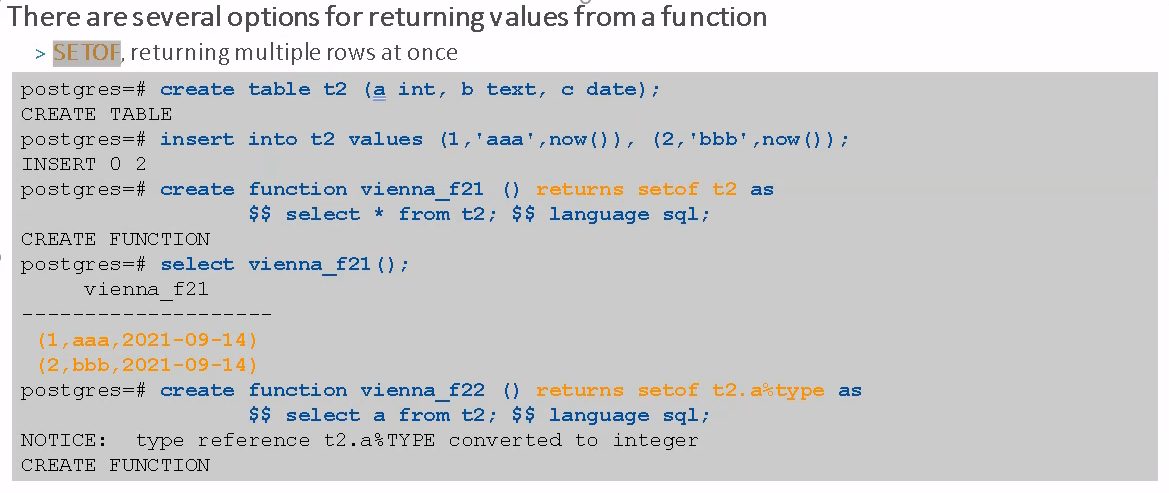
PostgresBuild2021 is currently ongoing and as usual, I had questions after my talk I could not immediately answer. One of the best ways to learn, is to present a topic. There are for sure questions you never thought about. The topic of my talk was “An introduction to server side programming” and I wanted to give people easy examples about… 

Open source monitoring solutions (1) – Zabbix server setup

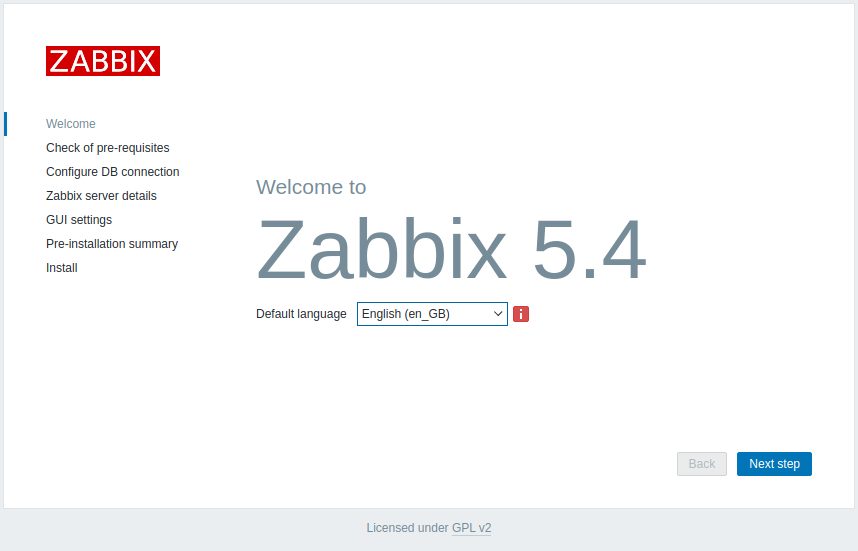
We are often asked which monitoring solution we recommend for PostgreSQL, by people attending our PostgreSQL workshops. We usually answer: What do you have in place already? If a solution already is in place, the most obvious way is trying to integrate into the existing solution. If nothing is there already, you have plenty of choices. You can find some… 

ODA 19.12: How can you manage DB Systems with odacli?

Introduction As virtualization is available for all ODAs now, you could ask yourself if it’s a good idea to use this virtualization or not. Databases can be created as bare metal, but also within a DB System for better isolation. And both can be used on the same ODA. If you’re looking for how to deploy an ODA with KVM… 

5 things that aren’t true about RMAN

Introduction RMAN backups are not a hot topic today. This is because it didn’t evolve that much in 12c/18c/19c, and most of the databases are now protected by a good backup strategy since years, and no changes are needed. Furthermore, Disaster Recovery solutions are more and more deployed, and all the flashback technologies embeded in the database are well known.… 

Dbvisit 10 on Oracle Database Appliance

By Mouhamadou Diaw Dbvisit Standby can also be installed on Oracle Database Appliance (ODA). The installation is the same that on any other Linux box. I did an install of Dbvist 10 on an ODA 19.12 for a customer and in this blog I am describing the on an ODA steps. The configuration is below -The primary server is oda-prod-01… 

SQL Server – Granting SQL Server permission to service SID

Introduction We know that SQL Server itself is using it own SID NT SERVICEMSSQL$ and NT SERVICESQLAGENT$ to grant permission to the database engine and the SQL agent services. But the same method can be used for other application services to acces and use the SQL Server instances. The enables to allow the access to the SQL instance when the… 

Switching from CentOS 8 to Red Hat 8

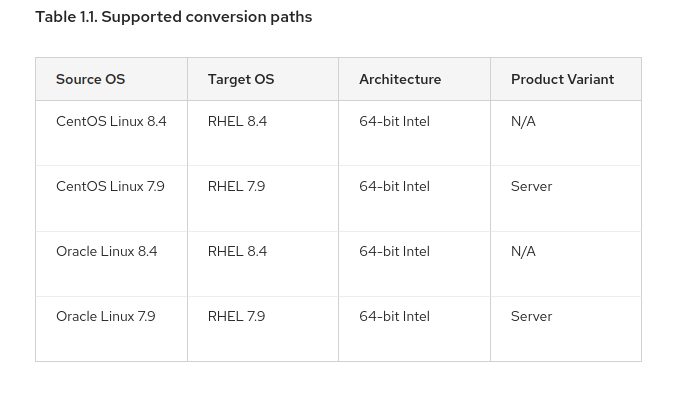
We have quite a few customers still running on CentOS 8 and you probably already are aware that CentOS 8 will be end of life by the end of this year. This forces a lot of companies to either switch to an alternative or to stick with CentOS stream. For most enterprise workloads CentOS stream is not a solution as… 

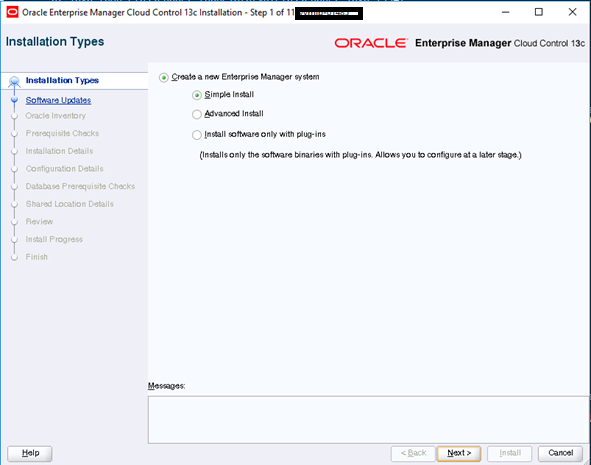
Install Enterprise Manager 13c R5: Check the db edition Failed

By Mouhamadou Diaw A few days ago, I was setting an Enterprise Manager 13c R5 for a client. The configuration used is the following -The EM binaries are installed in a separate server than the database -The database of the repository is an Oracle pluggable database 19.12 The server for the EM binaries has following OS 1 2 3 4… 

Improve Oracle Insert Performance with BULKCOLLECT and FORALL

As specified by Steven Feuerstein into the Oracle Blog Website the bulk processing features of PL/SQL are designed specifically to reduce the number of context switches required to communicate from the PL/SQL engine to the SQL engine. Using BULK COLLECT plus FORALL instead of standard Insert statement to insert data improve performance dramatically, let’s me show you : Here is…