Skip to content

Database

Everything our consultants learn while running databases for customers: Oracle, PostgreSQL, SQL Server, MySQL, MariaDB, MongoDB and Delphix. Expect hands-on posts about installation, day-to-day administration, backup and recovery, performance tuning, replication and upgrades.

How to connect DbaaS in your Cloud Control 12c

Oracle provides a monitoring console in the cloud but this console gives not all the information that we need. For example, it is not possible to send an email when a problem appear. However it is possible to use a Cloud Control on premise for monitoring this database. For that, it is necessary to have an EM12c release 5 and… 
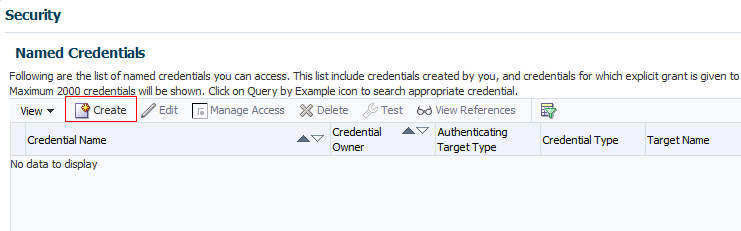
screenshot_2_named_credentials

Want to benchmark your storage? It’s time to switch to DiskSpd tool!

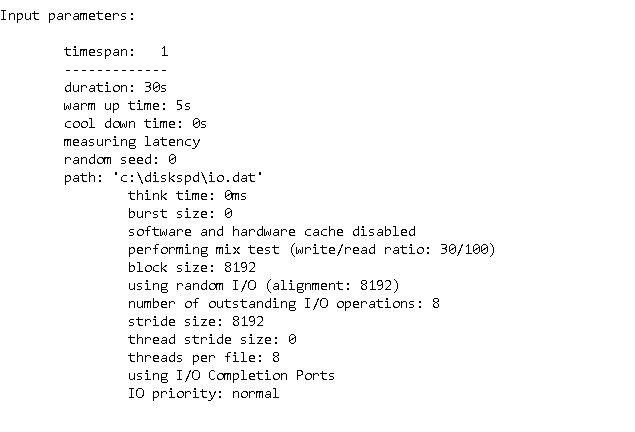
As you certainly know, the well-known tool SQLIO is officially deprecated since few months. From my part, I had the opportunity (maybe the last) to use SQLIO for a customer project in order to benchmark the storage for SQL Server AlwaysOn and availability groups. Now it’s time to change for a new benchmark tool : DiskSpd. First of all, DiskSpd… 

Dbvisit replicate CDC without old values

By Franck Pachot . In a previous post I presented how Dbvisit replicate can capture changes and write them in an audit table with old and new values. Here is how to do it wen you want only the new values – with same column names. What I want to get here is a table with: same column names as… 

Oracle In-Memory Column Store for Business Intelligence at #swissbiday

By Franck Pachot . I’m currently presenting at Swiss BI Day in Geneva about Oracle In-Memory option to improve analytic queries. Here are the slides, uploaded to SlideShare. http://fr.slideshare.net/pachot/oracle-inmemory-column-store-for-bi Don’t hesitate to comment here. Thanks a lot to the Swiss Business intelligence Network for the organization of the event.

Oracle and Analytic Queries before In-Memory option

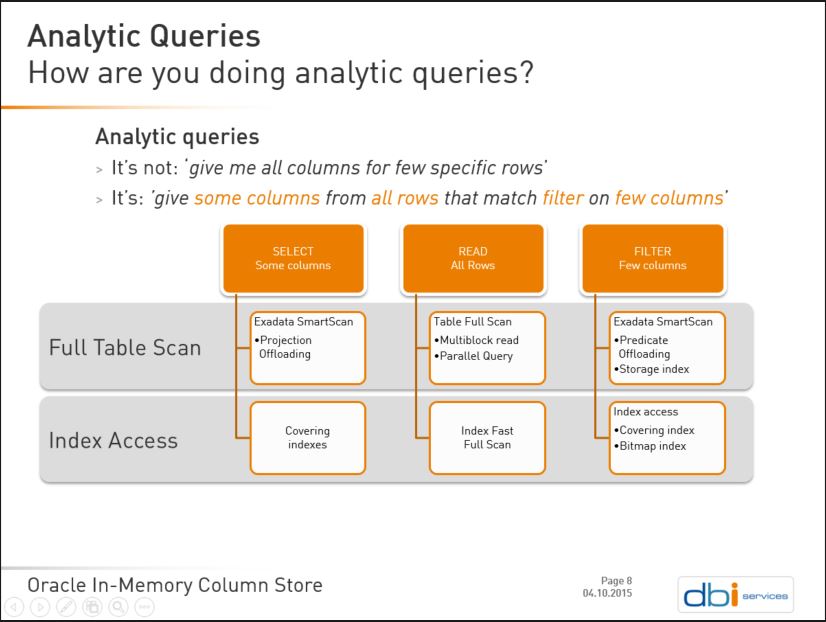
By Franck Pachot . Next Tuesday in Geneva I’m presenting Oracle In-Memory Column Store to Business Intelligence people at the Swiss BI Day After defining what is an analytic query, I show the different approaches to optimize that in Oracle, IMCS being the latest one. Here are some details about that slide. What is an analytic query? First definition –… 

Result Cache and 12c ‘fetch first n rows’

By Franck Pachot . At our bi-annual dbiXchange I was talking with Nicolas Jardot about his presentation on Result Cache (don’t forget Jérome witt session about RC at DOAG) where he has shown an unexpected behavior on ‘fetch first n rows queries’. That behavior – if it is not a bug – can also be a good thing when using… 

SQL Server 2016 : tempdb database enhancements in CTP 2.4

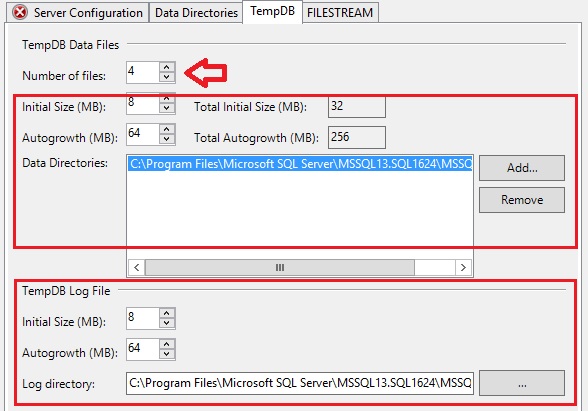
The new CTP 2.4 has been released and announced by Microsoft in its blog post a couple of days ago. During my investigation, I noticed some new  installer capabilities about the tempdb database. As a reminder, you can read my first thoughts from my blog post here, but to be short, the installer was able to provide automatically the right… 

Query V$UNDOSTAT for relevant time window

By Franck Pachot . When you have a query failing in ‘ORA-01555: snapshot too old: rollback segment number … with name … too small’ you have two things to do: Convince the developer that the rollback segment is not too small because the message text comes from old versions Find information about query duration, undo retention and stolen blocks statistics.… 

Nothing in feature usage statistics since 12c?

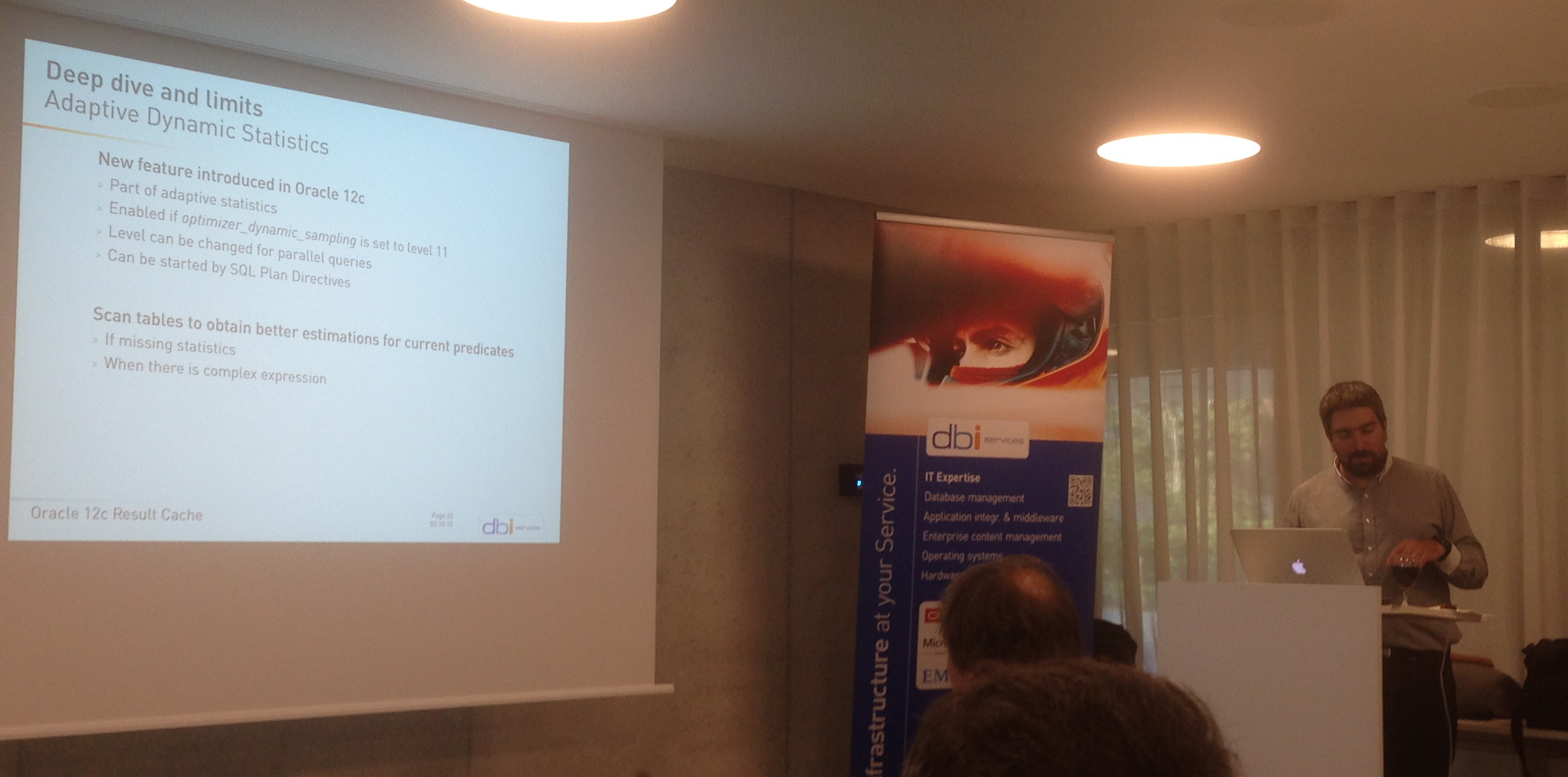
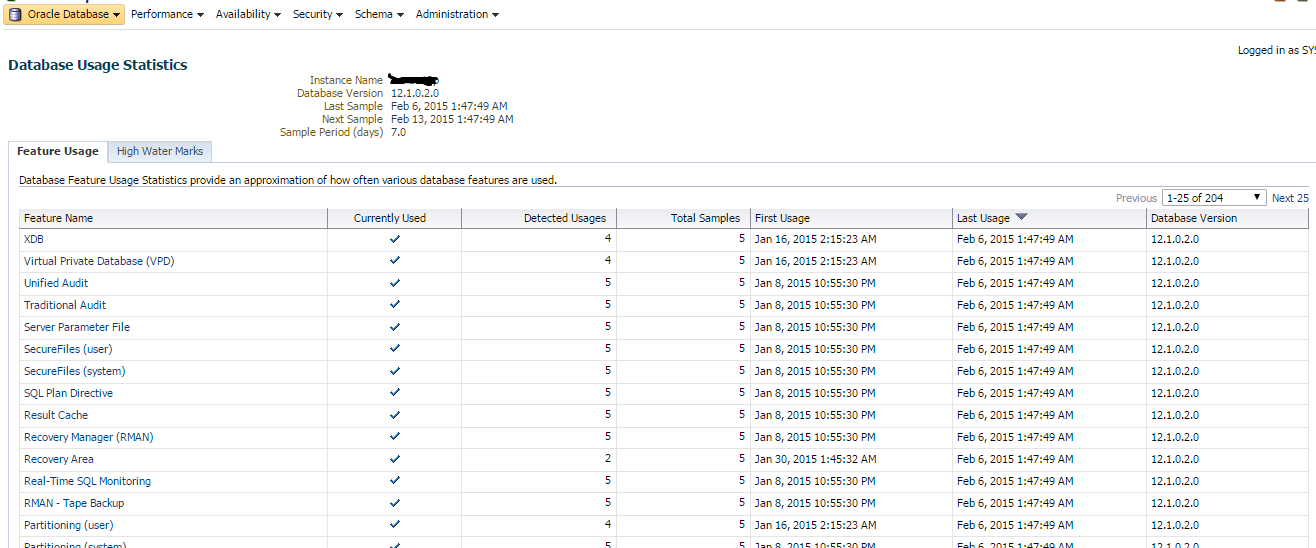
By Franck Pachot . It don’t want to rub salt in the wound about 12c upgrades and Adaptive Dynamic Sampling being overzealous, but here is a case with an unexpected consequence: you see nothing in the ‘Database Feature Usage’ since migration. The photo novel starts like this: we are in September and when I check the ‘Database Feature Usage’ page… 

Row Level Security (RLS) is also coming to MS SQL Server

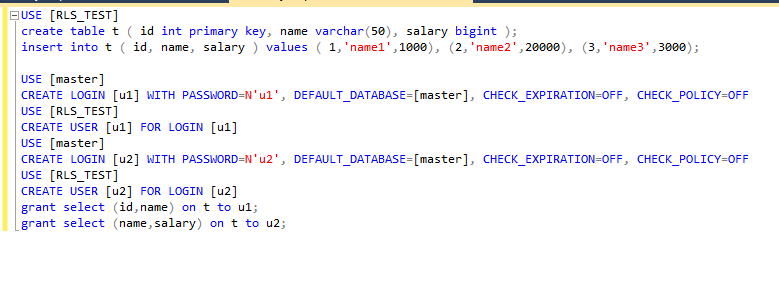
Why “also” in my title? On 29 August, my colleague Daniel Westermann wrote an article about Row Level Security in the next version of PostgreSQL. Row Level Security called also RLS is a new feature in SQL Server 2016 and of course in SQL Azure. This new security in SQL Server returns only rows that the user has permission to…