Skip to content

Database

Everything our consultants learn while running databases for customers: Oracle, PostgreSQL, SQL Server, MySQL, MariaDB, MongoDB and Delphix. Expect hands-on posts about installation, day-to-day administration, backup and recovery, performance tuning, replication and upgrades.

PostgreSQL partitioning (6): Attaching and detaching partitions

Having talked about partitioning strategies and partition pruning this time we will have a look on how you can attach and detach partitions to and from an existing partitioned table. If you missed the last posts about partitioning in PostgreSQL here they are: PostgreSQL partitioning (1): Preparing the data set PostgreSQL partitioning (2): Range partitioning PostgreSQL partitioning (3): List partitioning… 

PostgreSQL partitioning (5): Partition pruning

This is the next post in the PostgreSQL partitioning series. If you missed the previous ones here they are: PostgreSQL partitioning (1): Preparing the data set PostgreSQL partitioning (2): Range partitioning PostgreSQL partitioning (3): List partitioning PostgreSQL partitioning (4): Hash partitioning This time we will have a look at partition pruning. Never heard of that? Don’t worry, hopefully it will… 

PostgreSQL partitioning (4): Hash partitioning

The last partitioning strategy we will look at is: hash partitioning. If you missed the first posts in this series here they are: PostgreSQL partitioning (1): Preparing the data set PostgreSQL partitioning (2): Range partitioning PostgreSQL partitioning (3): List partitioning Usually hash partitioning is used when you do not have a natural way of partitioning your data or you want… 

PostgreSQL partitioning (3): List partitioning

In the last posts of this series we prepared the data set and had a look at range partitioning. In this post we look at another partitioning strategy: List partitioning. Instead of partitioning by a range (typically based on day, year, month) list partitioning is used to partition on an explicit list with key values that define the partitions. Coming… 

PostgreSQL partitioning (2): Range partitioning

Now that the data set is ready we will look at the first partitioning strategy: Range partitioning. Usually range partitioning is used to partition a table by days, months or years although you can partition by other data types as well. Time/date based range partitioning is probably the most common use case so we will partition our traffic violation data… 

PostgreSQL partitioning (1): Preparing the data set

This is the start of a series about partitioning in PostgreSQL. For this and the following posts I will use PostgreSQL 12 (which currently is in beta) so some stuff might not work if you are on PostgreSQL 11 or even on PostgreSQL 10 when declarative partitioning was introduced. This very first post is only about preparing the data set… 

PostgreSQL 12: New partition reporting functions

PostgreSQL 10 introduced declarative partitioning (with some limitations), PostgreSQL 11 improved that a lot (Updating the partition key now works in PostgreSQL 11, Insert…on conflict with partitions finally works in PostgreSQL 11, Local partitioned indexes in PostgreSQL 11, Hash Partitioning in PostgreSQL 11) and PostgreSQL 12 goes even further. Beside that foreign keys can now reference partitioned tables three new… 

PostgreSQL 12: Control when generic plans are used

When you are using prepared statements in PostgreSQL you might get a custom or a generic plan. Custom plans come with overhead of re-planning while generic plans avoid re-planning of the statement. A soon as you get a generic plan that plan will be used for the lifetime of your session and there are situations when you do not want… 

Securely store passwords in PostgreSQL

Every application somehow needs to deal with passwords. Some use external authentication methods such as ldap, others us the the framework the database already provides and create users and roles. But it is also not uncommon that applications implement their own concept for managing users. If an application does this it should be done the right way and passwords should… 

What Benefit You Get From The Cloud For Your Business?

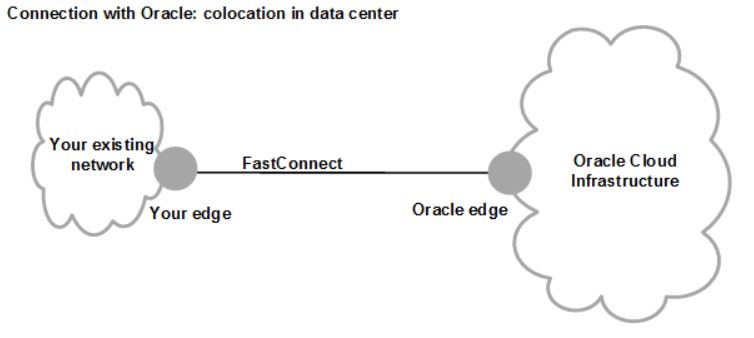
Microsoft, Amazon, Google and Oracle offer infrastructure services whose names change, but the concepts remain the same. It may be that you are interested in the cloud too, but it’s still not clear because you find much information all over and it’s hard to make decisions. Isn’t it? Clouds infrastructure provide traditional data centers, nothing new, but instead of provisioning… 

SUSE Expert Day Zürich

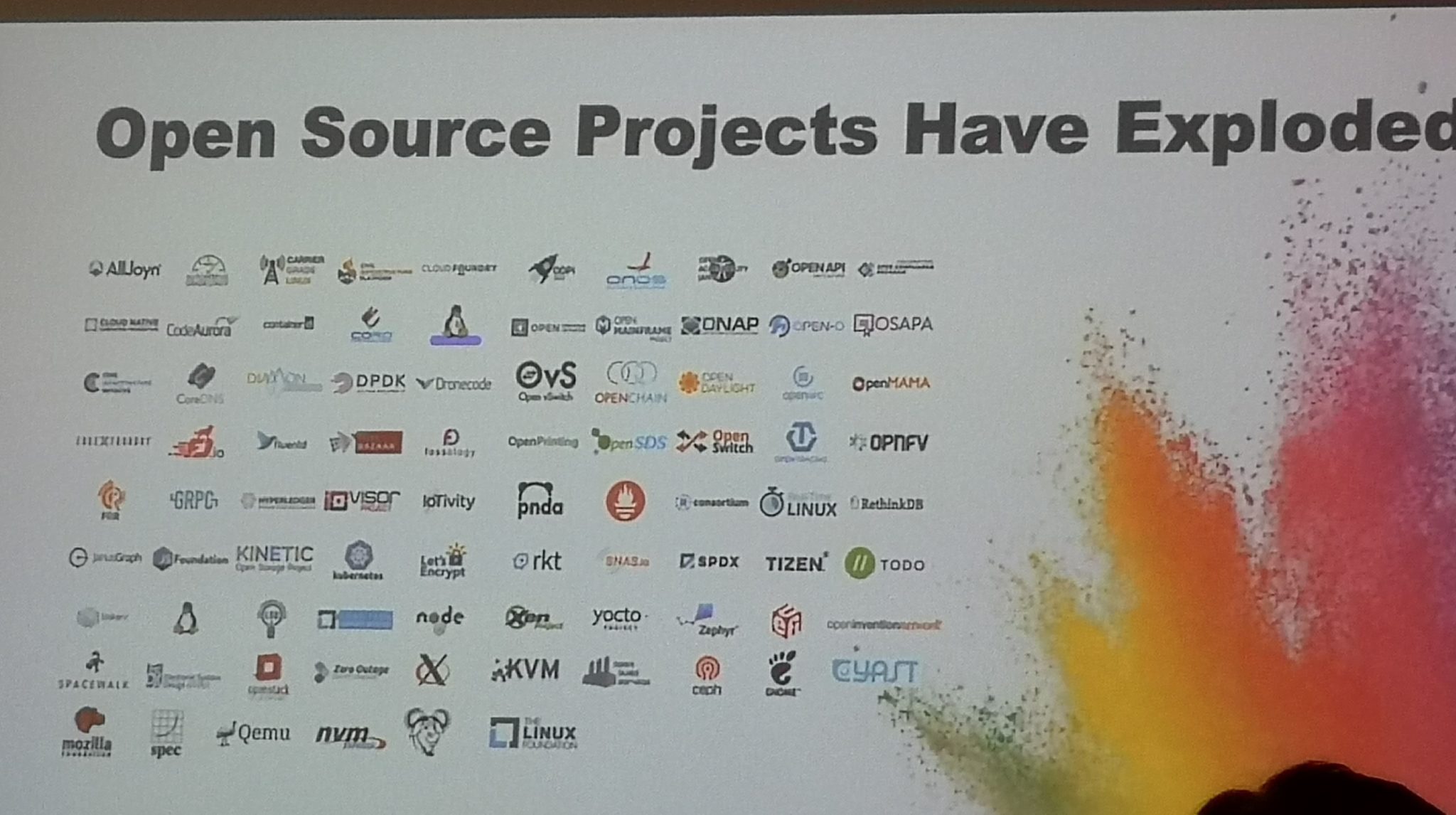
On May 16th I visited the SUSE Expert Day in Zürich. An interesting Agenda was waiting for me, all under the topic: “My kind of open” After a small welcome cafe, SUSE started with the Keynote of the Markus Wolf (Country Manager and Sales Director ALPS Region). After a short introduction of the Swiss SUSE Team, he talked about the…