Skip to content

Cloud

Moving databases and applications to AWS, Microsoft Azure or Oracle Cloud Infrastructure raises practical questions about architecture, migration, managed services, licensing and cost. Our consultants answer them with what actually worked on customer projects.

SQL Server on Oracle Cloud

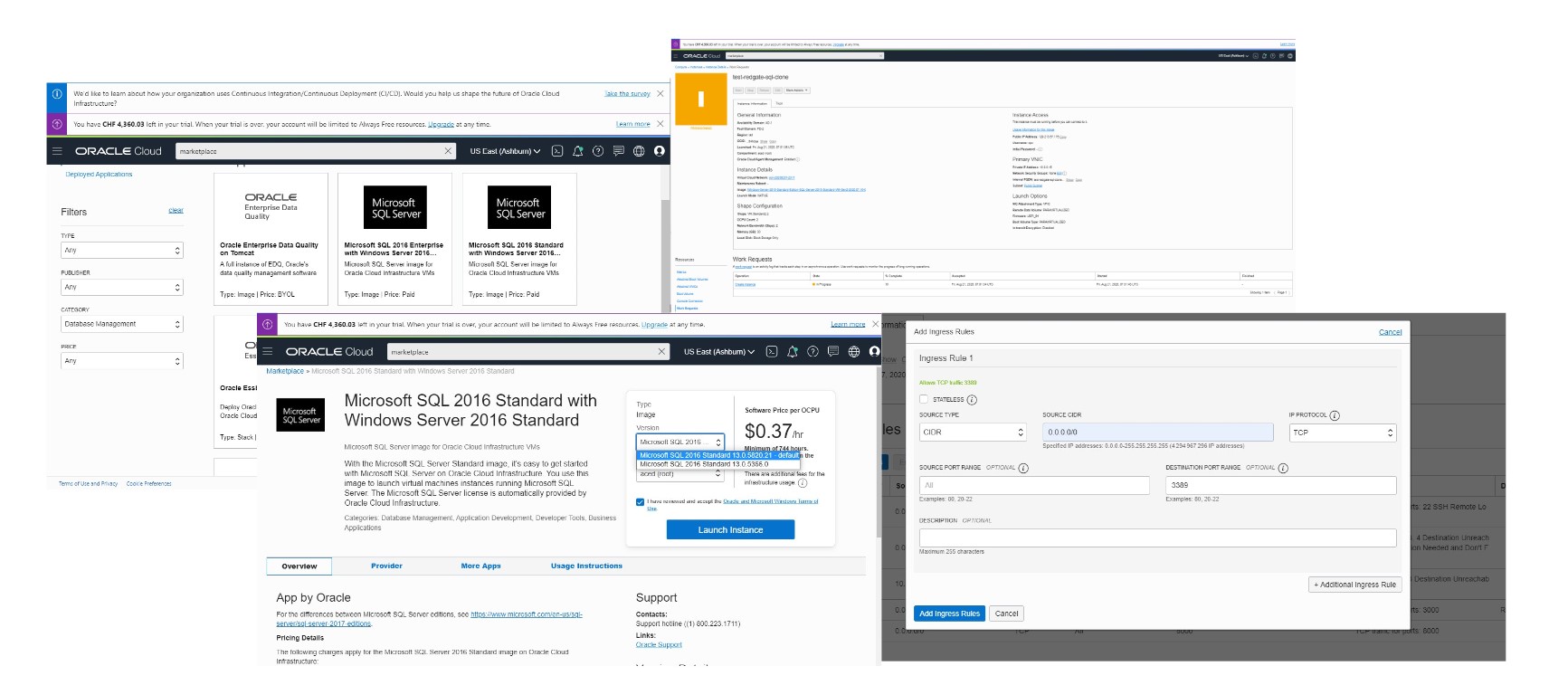
By Franck Pachot . You can create a VM with SQL Server running in the Oracle Cloud. This is easy with a few clicks on the marketplace: Here are the steps I did above: Oracle Cloud -> Marketplace -> Application -> Category -> Database management You have multiple flavors. I’ve chosen the lastest cheaper “Microsoft SQL 2016 Standard with Windows… 
Installing MySQL Server on Oracle Cloud Infrastructure Compute

If you are thinking about to move your MySQL databases to the Cloud but you are still reticent, you can maybe use the “Oracle Cloud Free Tier” offer to test it. Oracle Cloud Free Tier offers you 2 Oracle Autonomous Databases and 2 Oracle Cloud Infrastructure Compute VMs as Always Free services and in addition a 30-day Free Trial with… 

Oracle ADB: rename the service_name connect_data

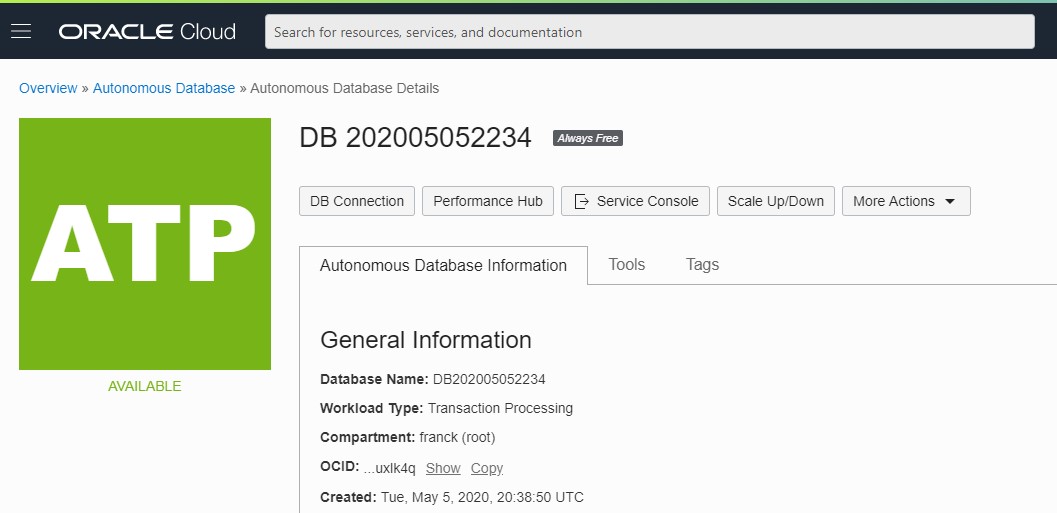
By Franck Pachot . Since Aug. 4, 2020 we have the possibility to rename an Autonomous Database (ATP, ADW or AJD – the latest JSON database) on shared Exadata infrastructure (what was called ‘serverless’ last year which is a PDB in a public CDB). As the PDB name is internal, we reference the ADB with its database name is actually… 

Amazon DynamoDB: the cost of indexes

By Franck Pachot . That’s common to any data structure, whether it is RDBMS or NoSQL, indexes are good to accelerate reads but slow the writes. This post explains the consequences of adding indexes in DynamoDB. Secondary Indexes What we call an index in DynamoDB is different from an index in RDBMS. They have the same goal: store your data… 

Amazon DynamoDB Local: running NoSQL on SQLite

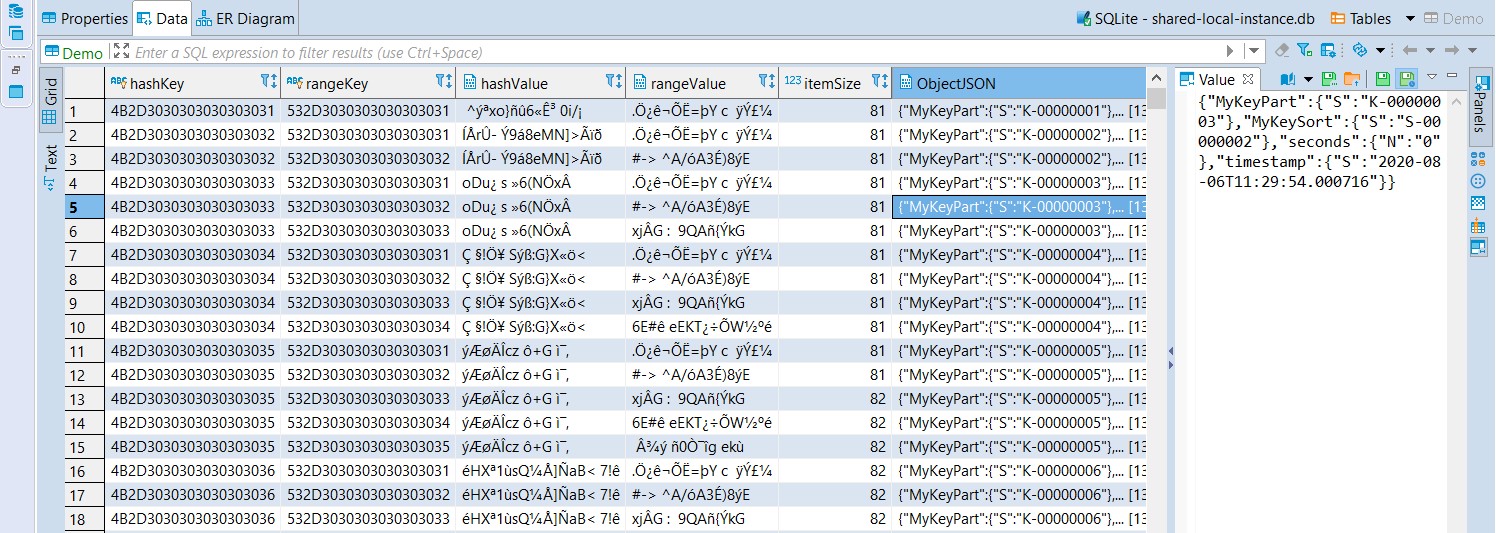
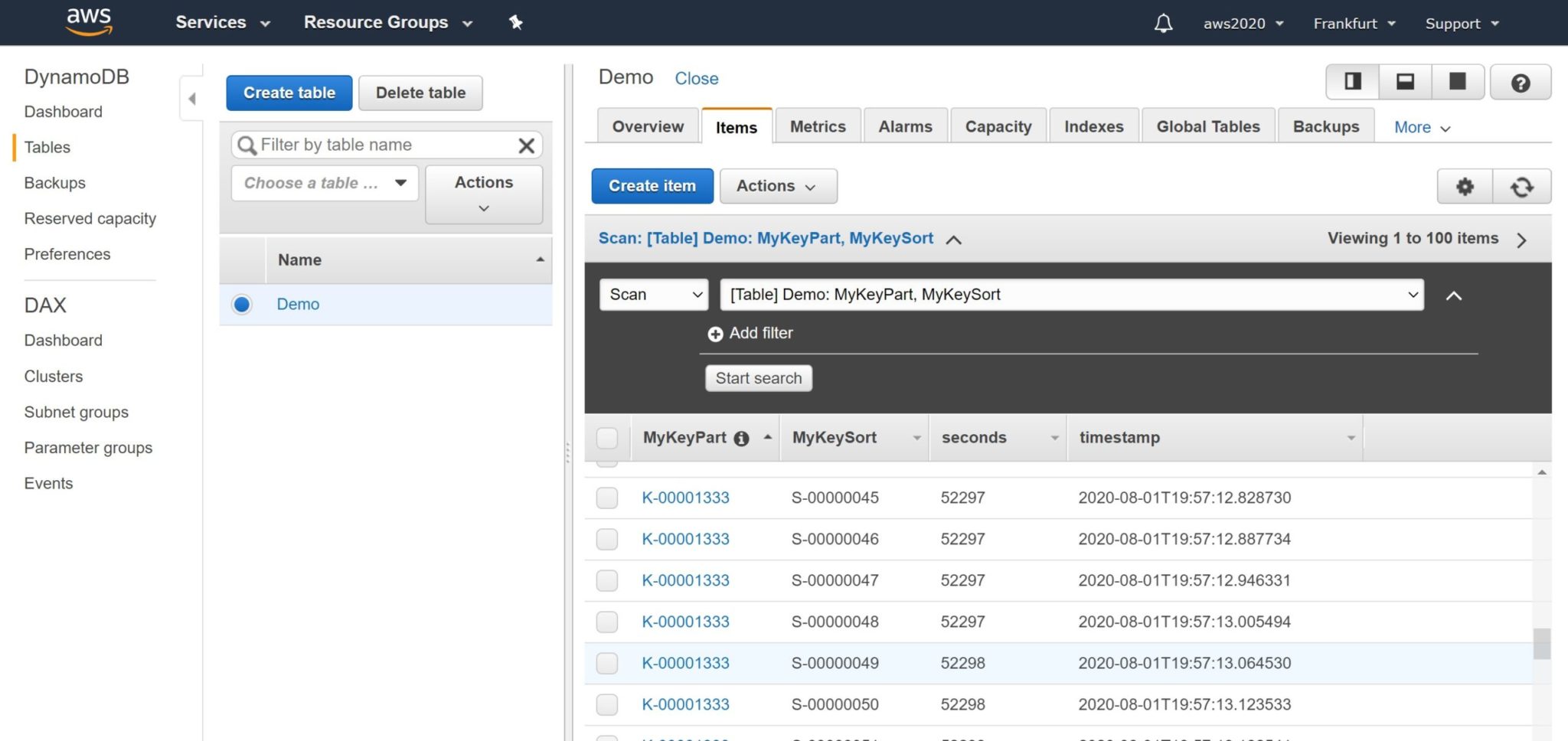
By Franck Pachot . DynamoDB is a cloud-native, managed, key-value proprietary database designed by AWS to handle massive throughput for large volume and high concurrency with a simple API. simple API: Get, Put, Query, Scan on a table without joins, optimizer, transparent indexes,… high concurrency: queries are directed to one shard with a hash function massive throughput: you can just… 

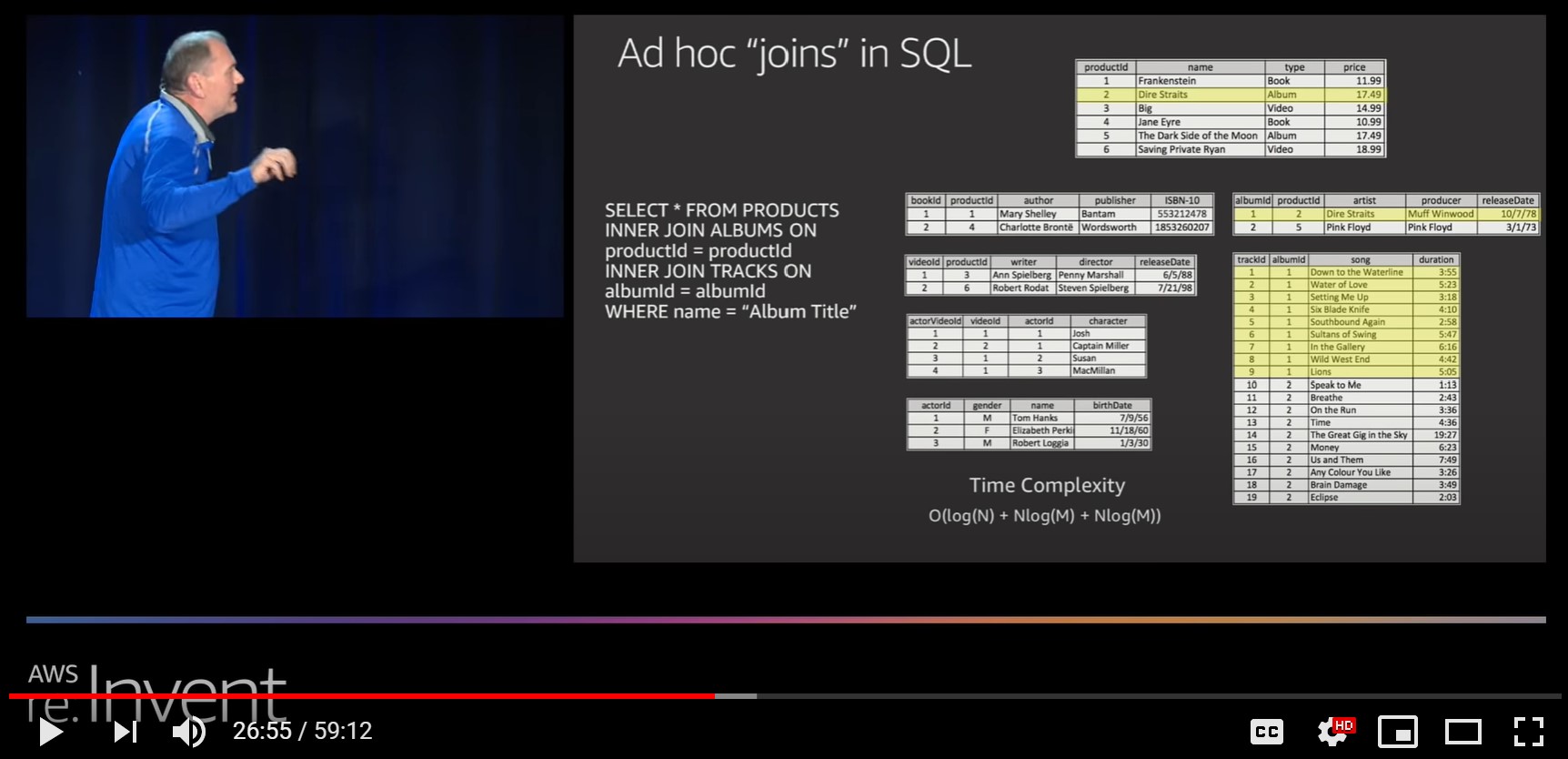
RDBMS (vs. NoSQL) scales the algorithm before the hardware

By Franck Pachot . In The myth of NoSQL (vs. RDBMS) “joins dont scale” I explained that joins actually scale very well with an O(logN) on the input tables size, thanks to B*Tree index access, and can even be bounded by hash partitioning with local index, like in DynamoDB single-table design. Jonathan Lewis added a comment that, given the name… 

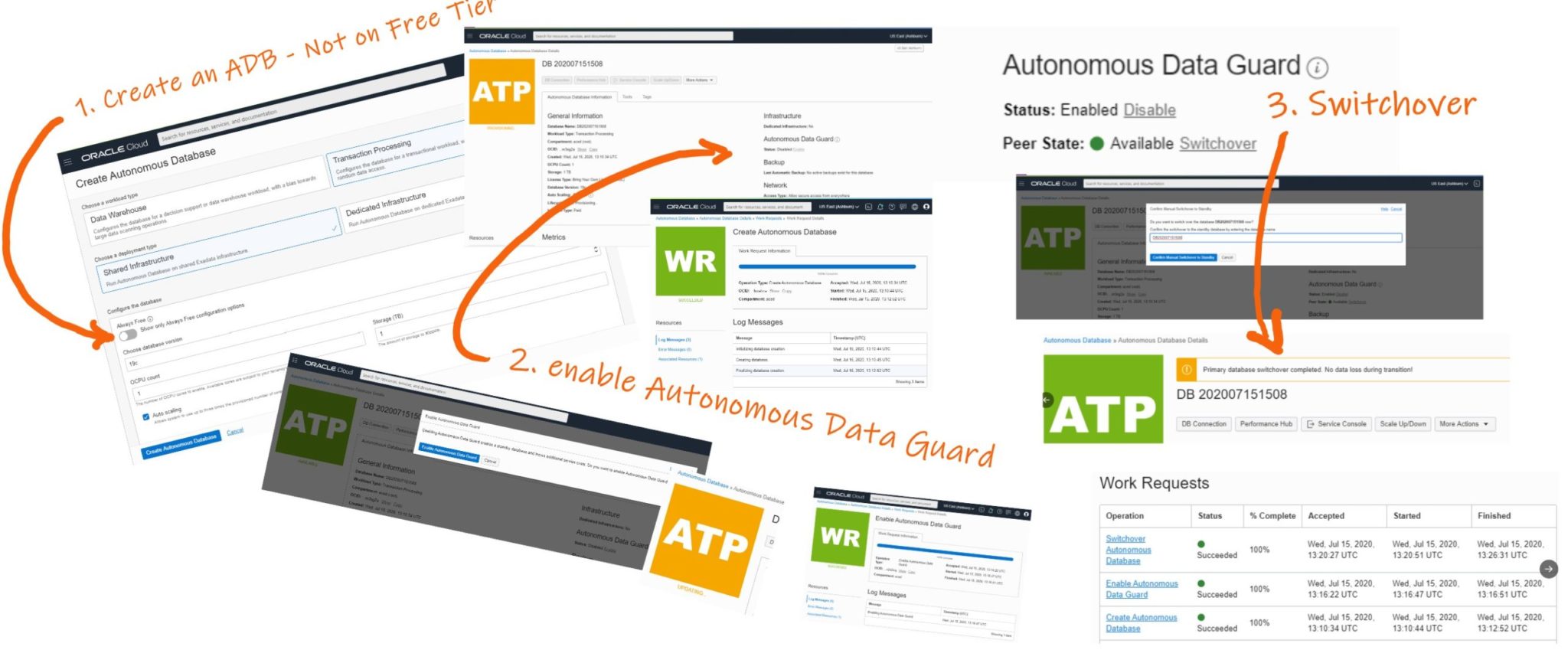
A Serverless Standby Database called Oracle Autonomous Data Guard

By Franck Pachot . Announced by Larry Ellison last week, here it is: the Autonomous Data Guard. You can try it, unfortunately not on the Free Tier. First you create an Autonomous Database (ATP or ADW) and then you enable Autonomous Data Guard. You know that “Autonomous” is the marketing brand for the services that automate a lot of things,… 

DBPod – le podcast Bases de Données

By Franck Pachot . J’essaie quelque chose de nouveau. Je publie beaucoup en anglais (blog, articles, présentations) mais cette fois quelque chose de 100% francophone. En sortant du confinement, on reprend les transports (train, voiture,…) et c’est l’occasion de se détendre en musique mais aussi de s’informer avec des podcasts. J’ai l’impression que c’est un format qui a de l’avenir:… 

The myth of NoSQL (vs. RDBMS) “joins dont scale”

By Franck Pachot . I’ll reference Alex DeBrie article “SQL, NoSQL, and Scale: How DynamoDB scales where relational databases don’t“, especially the paragraph about “Why relational databases don’t scale”. But I want to make clear that my post here is not against this article, but against a very common myth that even precedes NoSQL databases. Actually, I’m taking this article… 

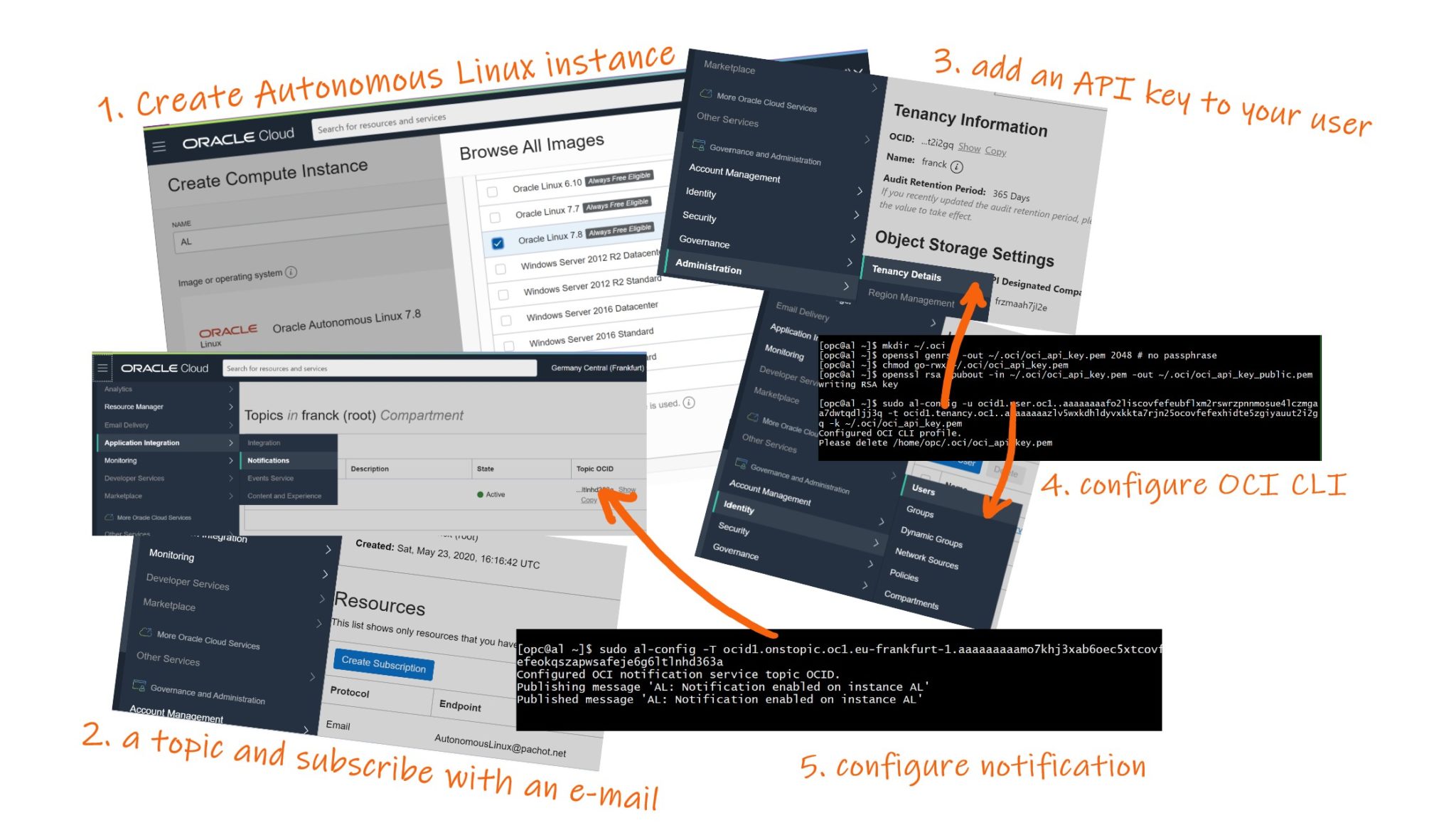
Oracle Autonomous Linux: cron’d ksplice and yum updates

By Franck Pachot . Oracle Enterprise Linux (OEL) is a Linux distribution which is binary compatible with Red Hat Enterprise Linux (RHEL). However, unlike RHEL, OEL is open source, free to download, free to use, free to distribute, free to update and gets free bug fixes. And there are more frequent updates in OEL than in CentOS, the free base… 

Oracle Cloud basics for beginners

Introduction Cloud, Cloud, Cloud. Everyone is talking about the Cloud but a lot of people are still in the fog with Cloud technologies. Let’s talk about basic features of the Oracle Cloud, called OCI for Oracle Cloud Infrastructure. What is really OCI? OCI is physically a lot of servers in datacenters all around the world. These servers are not very… 

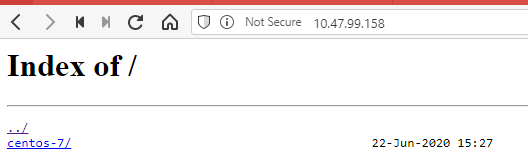
Attaching your own CentOS 7 yum repository to AWS SSM

From some blogs I’ve written in the past you might already know that we are using AWS SSM to patch and maintain the complete EC2 and onprem instances at one of our customers. The previous posts about that topic are here: Avoiding patching madness by using AWS SSM Avoiding patching madness by using AWS SSM A simple Terraform script to…