Skip to content

Open source Team

Posts published under the Open source Team account are collective contributions by the dbi services open infrastructure consultants. The practice covers open-source databases and platforms, PostgreSQL first of all, along with MySQL, MariaDB, and Linux, from architecture, replication, and high availability to performance tuning and operations under service level agreements, and contributes actively to the PostgreSQL community.

721 posts since September 2011

EDB PEM – Monitor your Postgres cluster

In my last post, I explained, how to setup a HA Postgres Cluster using EDB Postgres Advanced Server and Failover Manager. As a next step, we want to install the EDB Postgres Enterprise Manager to monitor what we setup before. Introduction There are, of course, many good tools to monitor your Postgres Cluster, but in case you run your Postgres… 
Setup a two node Postgres HA Cluster using EDB Advanced Server and EFM

Some time ago I had a customer looking for a two node PostgreSQL Master/Replica solution. As we need Oracle compatibility in a later step, we decided to go with the EnterpriseDB tools. This article should give you an introduction on how to setup the environment. Prerequisites There are just some few things, that you need to prepare. You need (at… 

Adding PostgreSQL extensions without being super user?

Usually, when you need to install a PostgreSQL extension you do this as superuser (or at least I am doing it like this). The downside of that is, of course, that a super user must be available once a new extension is required or that all the extensions are installed by default (e.g. in template1). Recently the question popped up… 

PostgreSQL 13: parallel vacuum for indexes

Because of its implementation of MVCC PostgreSQL needs a way to cleanup old/dead rows and this is the responsibility of vacuum. Up to PostgreSQL 12 this is done table per table and index per index. There are a lot of parameters to fine tune auto vacuum but none of those allowed vacuum to run in parallel against a relation. The… 

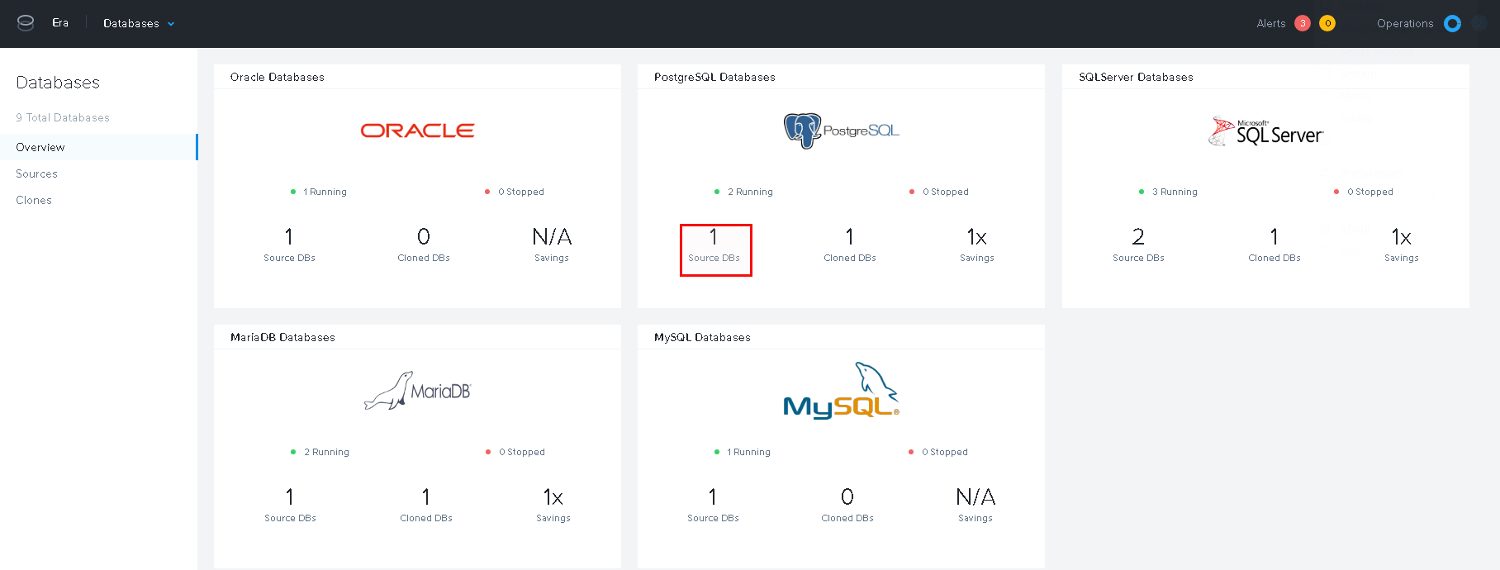
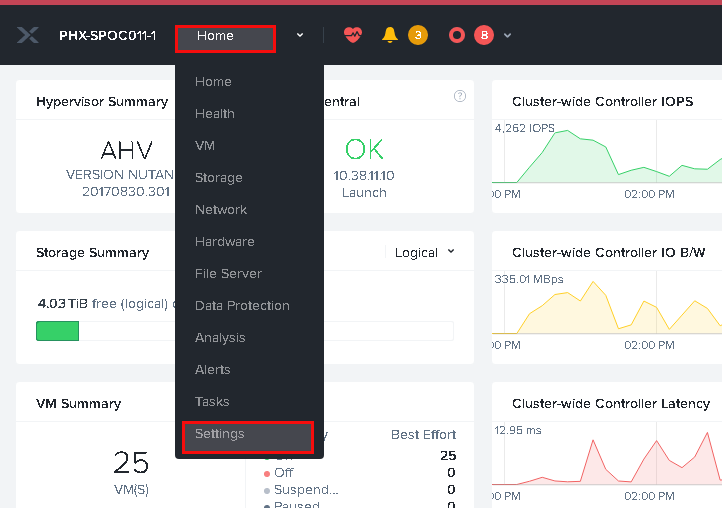
Deploying your own PostgreSQL image on Nutanix Era

Some days ago we had a very good training on Nutanix. Nutanix is a Hyper-converged infrastructure and that means that all is software driven and the system can be deployed on many hardware configurations. I will not go into the details of the system itself but rather look at one component/module which is called Era. Era promises to simplify database… 

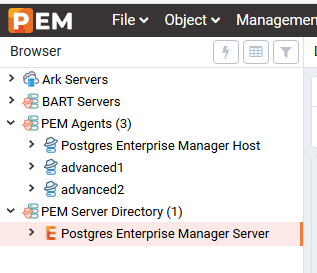
One Host, multiple PostgreSQL Clusters – Monitoring using EDB PEM

At a customer we implemented the EDB Postgres Enterprise Manager. As they run multiple PostgreSQL cluster on one server, they wanted, for sure, to monitor all the cluster using PEM. This blog should give you a short guidance on how to add databases to PEM. Starting position – PEM Server installed, up and running – PEM Agent installed on the… 

Enabling, disabling, and validating foreign key constraints in PostgreSQL

Constraints are in important concept in every realtional database system and they guarantee the correctness of your data. While constraints are essentials there are situations when it is required to disable or drop them temporarily. The reason could be performance related because it is faster to validate the constraints at once after a data load. The reason could also be,… 

A schema and a user are not the same in PostgreSQL

When people with an Oracle background attend our PostgreSQL DBA Essentials training there is always a bit of confusion about schemas and users. In Oracle a schema and a user is a one to one relationship and there is no real distinction between a user and a schema. In PostgreSQL the situation is different: All the objects a user is… 

Deploying a MariaDB 10.4 Galera cluster with Clustercontrol

What is ClusterControl ? Since years, I’m using and installing by customers a management and automation software called “ClusterControl” from Severalnines (www.severalnines.com). With it, you can easily deploy, manage, monitor and scale your open source database servers or clusters (MariaDB, Percona, Postgres, Galera) from one GUI (Clustercontrol User Interface) on premise or even in the cloud. Some weeks ago, Severalnines… 

Fun with arrays in PostgreSQL

As you might already know, PostgreSQL comes with many, many data types. What you might not know is, that you can create arrays over all this data types quite easily. Is that important? Well, as always it depends on your requirements but there are use cases where arrays are great. As always, lets do some simple tests. The following will…