Skip to content

SQL Server vNext

SQL Server 2017 AlwaysOn AGs and new read-scale architectures

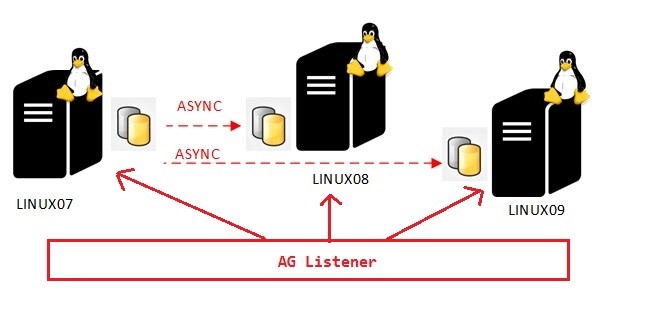
As you probably know Microsoft announced an official name for SQL Server vNext during the last Microsoft Data Amp event on April 19 2017. It becomes officially SQL Serve 2017. In my first blog post, I wrote about SQL Server on Linux and the introduction of availability groups features. At this moment the SQL Server release version was CTP 1.3. As… 
SQL Server on Linux and experimental Flexible Architecture

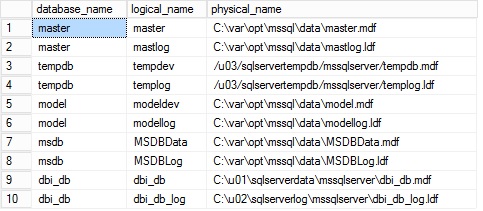
In this blog post let’s talk a little bit about SQL Server optimal installation on the Linux file system. This is probably one of the first considerations we will have as a database administrator. Actually basic installation of SQL Server can be resumed to use yum command and let the SQL Server installer place all related files on the file… 

Introducing AlwaysOn availability groups on Linux

A couple of days ago, Microsoft has rolled out the SQL Server vNext CTP 1.3 which includes very nice features and the one that interested me in the supportability of AlwaysOn availability groups on Linux. That is definitely a good news because we may benefit from new ways of architecting high-availability. There are a lot of new cool enhancements, which… 

Introducing high-availability and multi-subnet scenarios with SQL Server on Linux

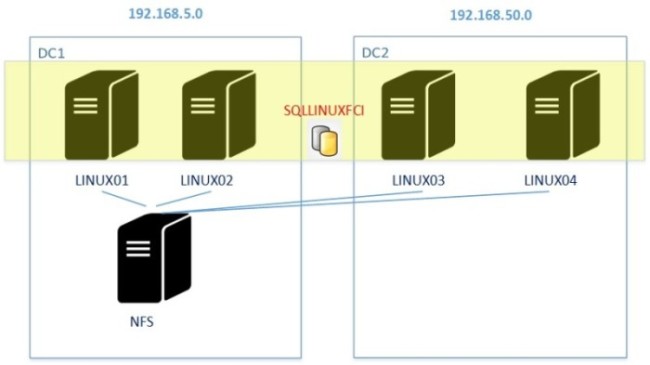
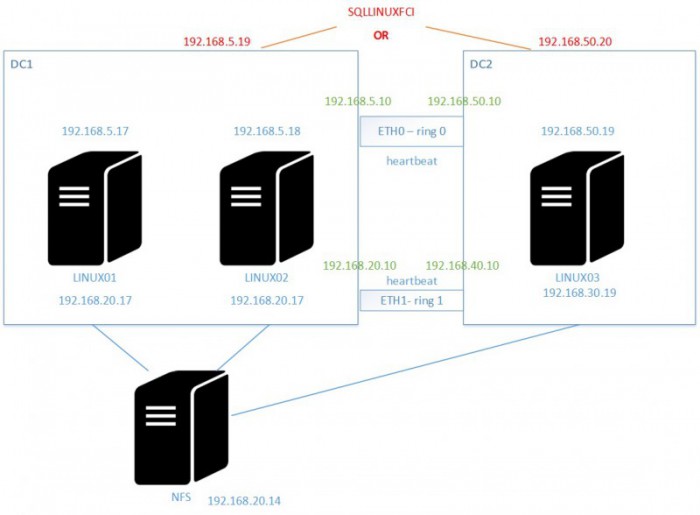
On my first blog about SQL Server on Linux, I introduced the new high availability feature which concerns only SQL Server failover cluster instances so far. During this discovery time, I had the support of Mihaela Blendea (@MihaelaBlendea) at Microsoft to clarify some architecture aspects about this new kind of architecture. Firstly, I would like to thank her. It’s always a… 

Introducing high-availability with SQL Server on Linux

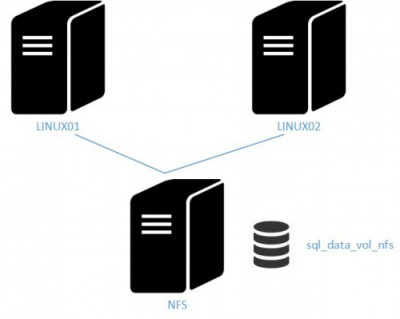
A couple of months ago, I did my first installation of SQL Server on Linux. I wrote about it in this blog post. So now it’s time to start the new year by talking about high availability on Linux with SQL Server vNext. Running standalone instances will be suitable for scenarios but I guess introducing high-availability with critical environments still…