Skip to content

Database Appliance

Warning: ODA HA disk enclosure is not smart!

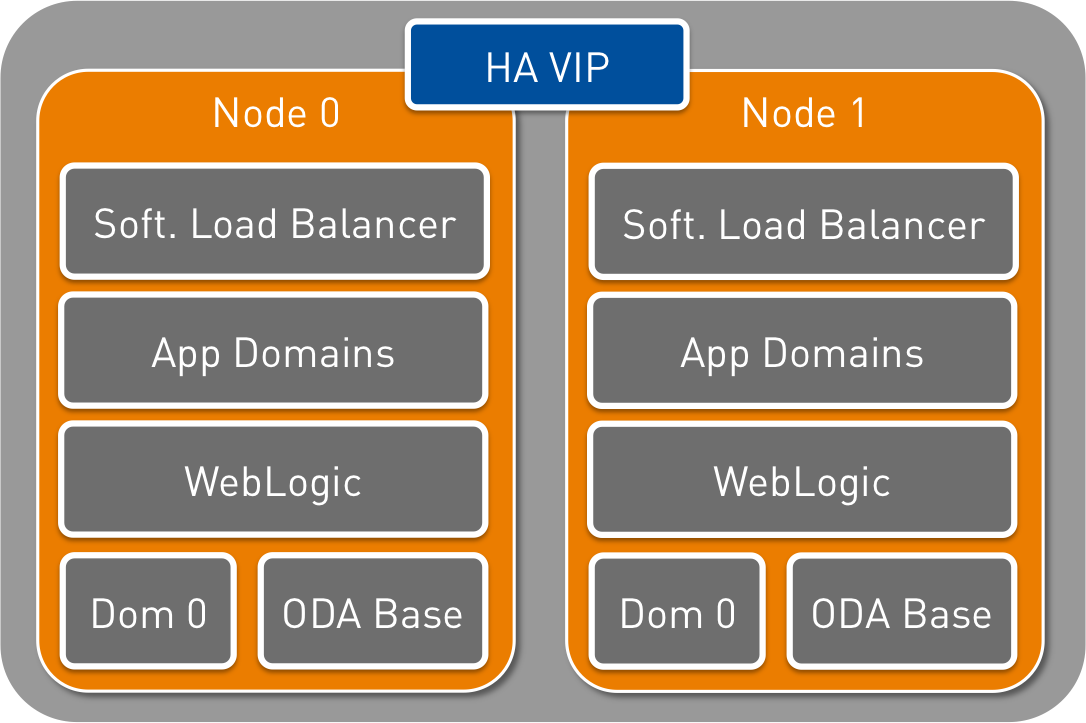
Introduction Apart from the number of servers (1 vs 2), the main difference between Oracle Database Appliance lite (S/L) and High-Availability (HA) is the data disks location. They are inside the server on lite ODAs, and in a dedicated disk enclosure on HA ODAs. Obviously, this is because when 2 nodes want to use the same disks, these disks have… 

Reimaging an old X3-2/X4-2 ODA

Introduction X3-2 and X4-2 ODAs are still very capable pieces of hardware in 2018. With 256GB of RAM and at least 16 cores per node, and with 18TB RAW disk capacity as a standard these appliances are far from obsolete even you probably don’t have any more support on the hardware from Oracle. If you own several ODAs of this… 

Announcing the dbi OpenDB Appliance

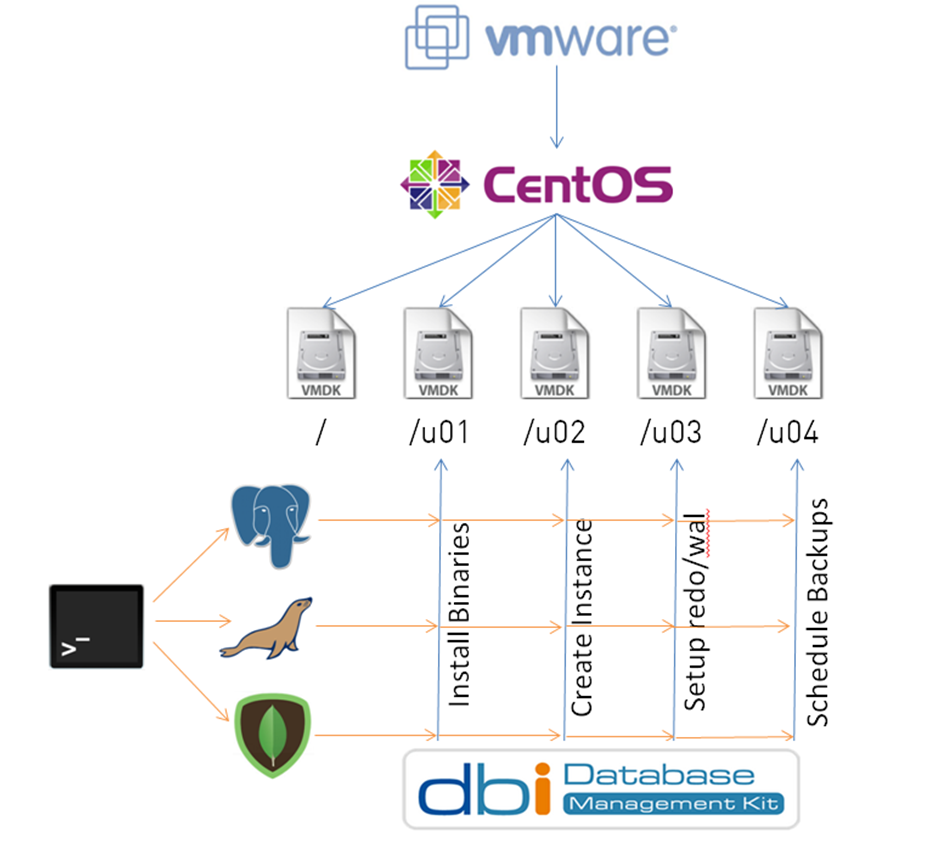
As already announced on Twitter and LinkedIn here is the blog post to describe our OpenDB appliance in more detail. I am sure you wonder what this is about so let me explain why we are doing this. What we do see day by day at our customers is that more and more databases get consolidated on to a VMWare… 

ODA – VMs possibilities & performances

As you know it is possible to install the ODA in a virtualized mode and to take avantages from all cores not licensed with Enterprise Edition for additional VMs. The question is what could we do with it and which performances could we expect… The answer to the first question is indeed pretty simple….almost everything. If you have and ODA… 

ODA 12.1.X.X.X – add a multiplexed control file under ACFS

Since version 12, ODA stores databases on ACFS volumes instead of ASM directly. This slightly changed the way the files are managed and administer. This articles presents how to multiplex your control files on ACFS. At first database creation, ODA set up 3 ACFS volumes to store all non-CDB databases (CDB are managed on dedicated volumes): /dev/asm/datastore-386 62G 5.2G 57G…