Skip to content

Operating System

The Linux, Unix and Windows layer that every database and application depends on. Our consultants share what they set up and fix in the field: storage and filesystems, networking, virtualization, SUSE, and hardware such as the Oracle Database Appliance.

FreeBSD basics – 5 – Providing services using Jails

This post builds on top of the previous post in which we’ve created a simple thin Jail. The goal of this post is, to put a bit of automation around this and to provide a simple PostgreSQL as a service platform. We want to do this by creating one PostgreSQL instance per Jail (without any restrictions on resource usage for… 

FreeBSD basics – 4 – Jails

Now that we know how to get started with FreeBSD, how to manage users and groups, and how to work with services, we’ll look a bit into Jails today. But before we do this, let’s look at what we have in Linux today when it comes to containerization and virtual machines. Obviously we can manage virtual machines, with either KVM… 

FreeBSD basics – 3 – Services

This is the third post in the series about getting started with FreeBSD. We’ve looked at the first steps here, and users and groups here. Today we’re looking at how FreeBSD handles services. For those who still don’t like systemd the good news is: There is nothing like systemd in FreeBSD. For those who do like systemd the maybe bad… 

FreeBSD basics – 2 – Users & Groups

In the last post, we’ve initially configured FreeBSD so that networking is up and running, additional packages can be installed, and the system was patched to the latest release. In this post we’ll look at how users and groups are managed in FreeBSD and what FreeBSD provides when it comes to additional security mechanisms. On Linux systems users are usually… 

FreeBSD basics – 1 – The first steps

In case you follow the blogs here, you might have noticed that I got interested in FreeBSD over the last months (or even year(s)). The reasons for this are multiple: FreeBSD development is organized in very much the same way as it is with PostgreSQL. The license is very much the same. The history is really interesting as it goes… 

The SUSECON 2024 in Berlin

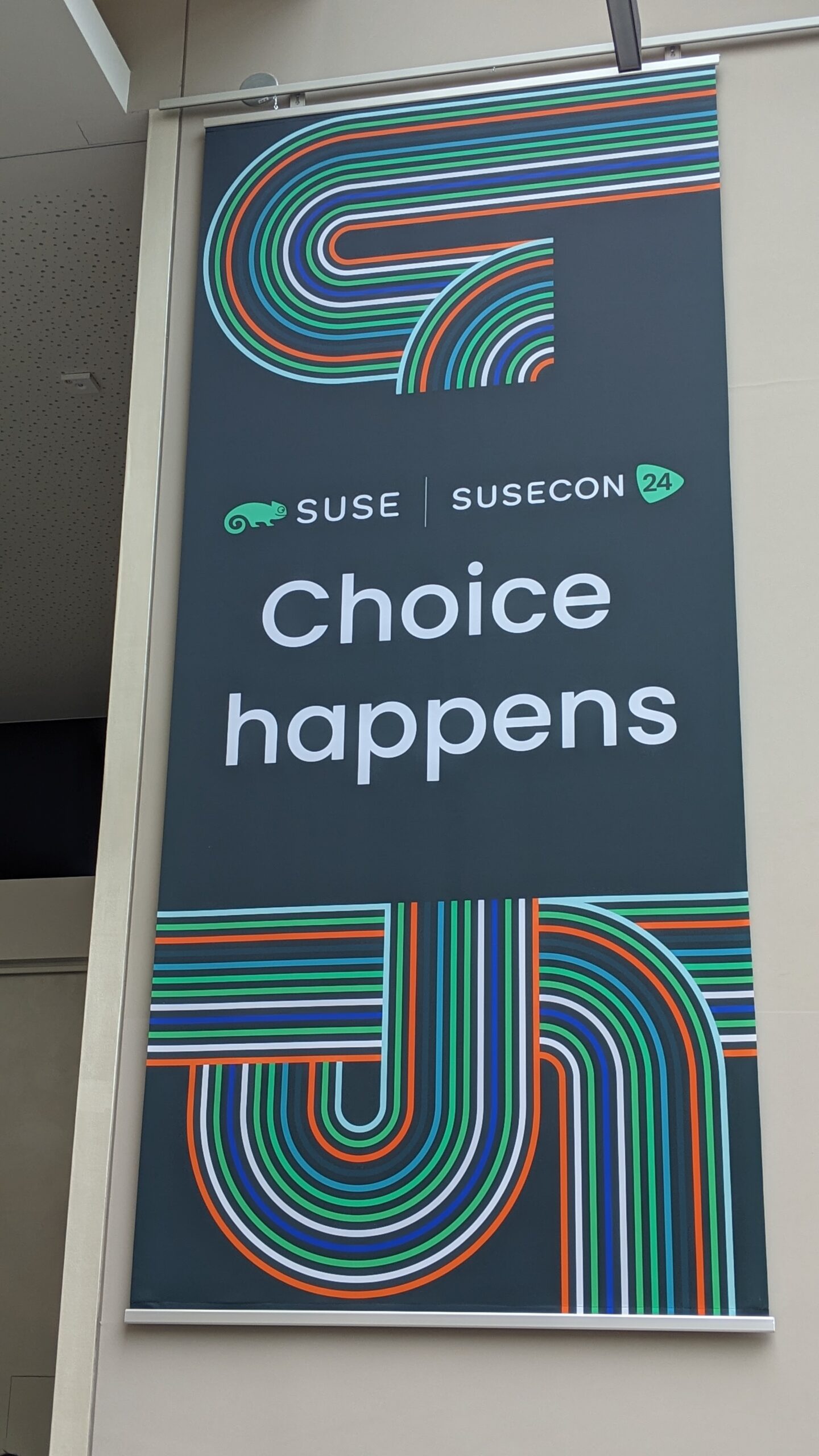
As part of the SUSE partner program, we were warmly invited to attend the SUSECON 24 in Berlin with my colleague Jean-Philippe Clapot. A two and half days event where we joined the SUSE family to learn more about their strategy and vision. “SUSE Make Choice Happens” with their Open Source Solutions extended with the PRIME support and advance offering.… 

My first day at SUSECON 2024

It is mid-June, and I have the opportunity with my colleague Arnaud Berbier to go to Berlin. Not for visiting the city, not for sightseeing, but for a business conference. This year, SUSECON set its location in the German capital, and as a partner, it was a kind of must for dbi services to be next to SUSE. SUSECON, the… 

A first look at openSUSE Leap Micro 6.0

Recently the openSUSE project announced the Alpha release of Leap Micro 6.0. This version of the openSUSE operating system is optimized for container workloads and edge computing. One of the cool features of this version of the OS is, that the root file system is read only. Updates to the operating system are atomic / transactional, which means the Btrfs… 

Another file system for Linux: bcachefs (3) – Mirroring/Replicas

This is the third post in this little series about bcachefs. The first post was all about the basics while the second post introduced bcachefs over multiple devices. What we did not discuss so far is, what bcache has to offer when it comes to mirroring. By default bcachefs stripes your data across all the devices in the file systems.… 

Another file system for Linux: bcachefs (1) – basics

When Linux 6.7 (already end of life) was released some time ago another file system made it into the kernel: bcachefs. This is another copy on write file system like ZFS or Btrfs. The goal of this post is not to compare those in regards to features and performance, but just to give you the necessary bits to get started… 

Linux offline package and repository management

Many of us have faced this scenario: setting up a brand-new Linux Server, only to discover it’s a minimal setup lacking essential tools like our favorite ‘VIM’ text editor. This leads to frustration while trying to make changes without our familiar tools and coping with mismatched keyboard layouts. Even simple tasks, such as navigating directories, become tests of patience. And…