Skip to content

AWS

Amazon Web Services from a database perspective: RDS and Aurora, databases on EC2, storage, networking, IAM, migration and keeping the bill under control.

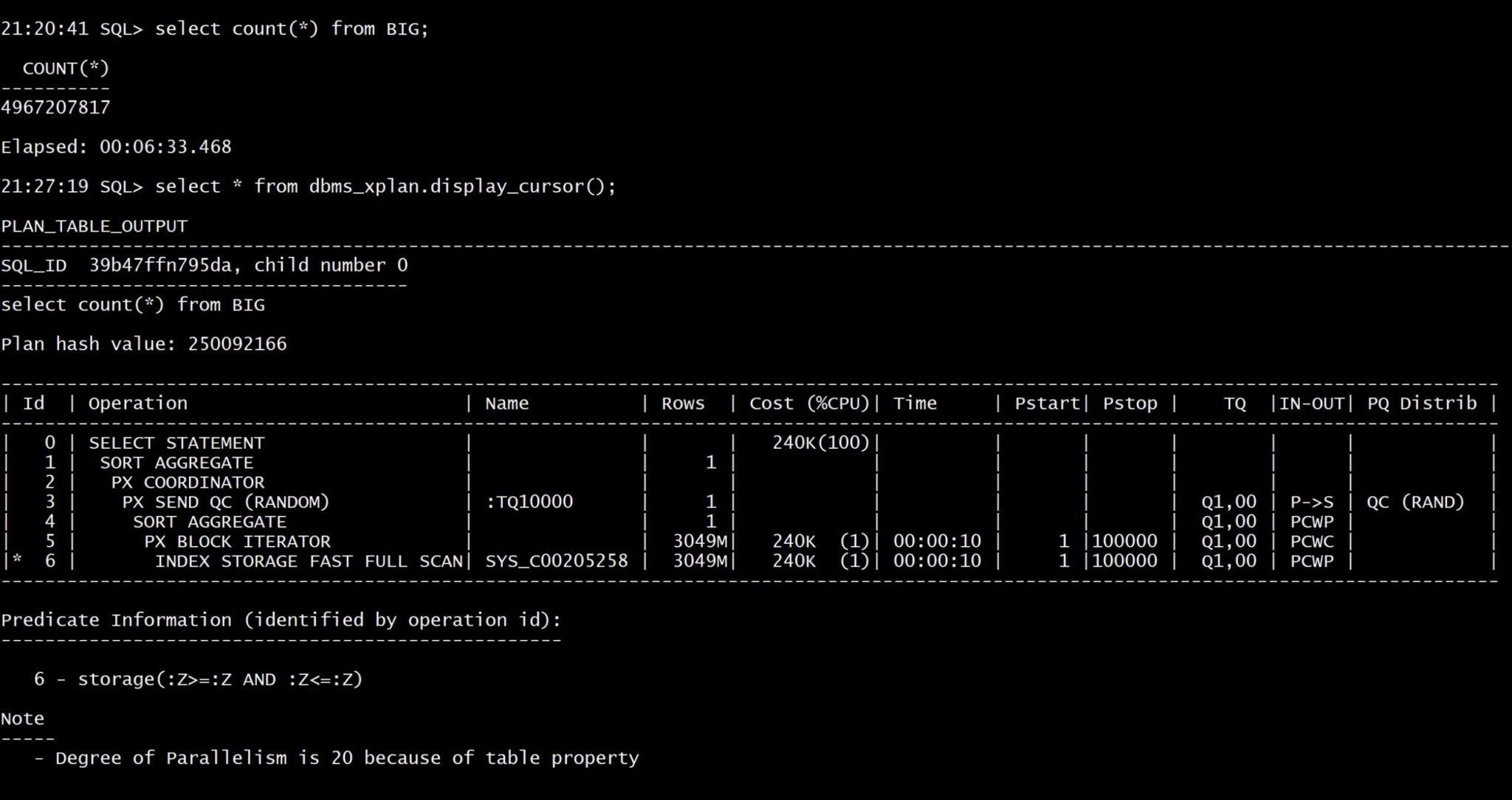
NoSQL and SQL: key-value access always scale

By Franck Pachot . I have written about some NoSQL myths in previous posts (here and here) and I got some feedback from people mentioning that the test case was on relatively small data. This is true. In order to understand how it works, we need to explain and trace the execution, and that is easier on a small test… 
Getting started with Exasol – Distribution keys

After the previous posts about Exasol, which have been more around installation, administration, backup & restore, loading data and general notes around transactions and sessions we’ll now go into more details how Exasol manages data. Here is the list of the previous posts: Getting started with Exasol – Setting up an environment Getting started with Exasol – Loading data from… 

Getting started with Exasol – A multi node cluster in AWS

As of now, all the previous posts worked with the Community Edition of Exasol. While that is great for getting started quickly (the Community Edition comes with all the features, except multi node support and a limit of 200GB of data) there are some limitations: Can you not really test how data is distributed across cluster nodes because there is… 

Amazon Aurora Serverless (PostgreSQL compatibility)

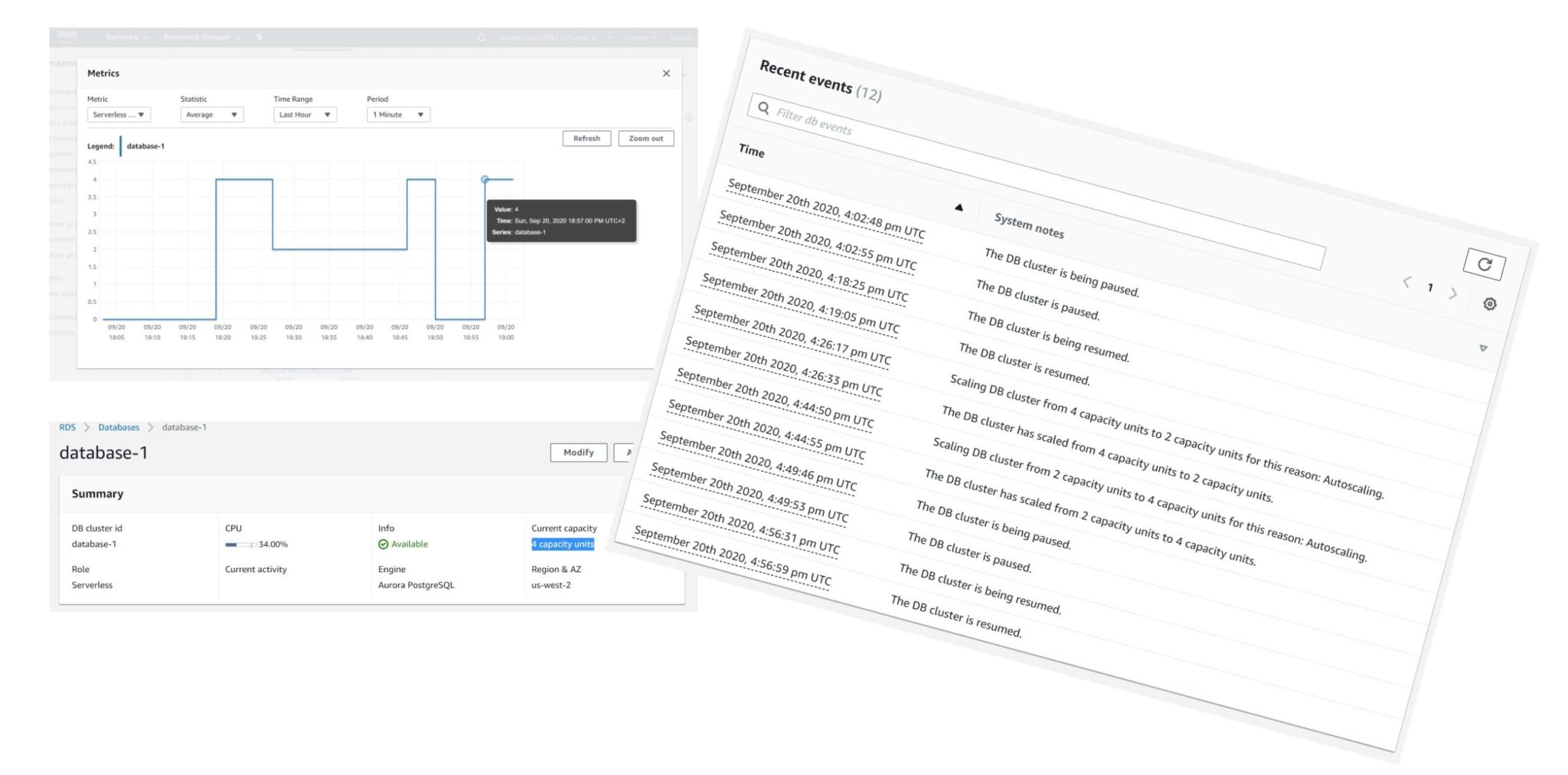
By Franck Pachot . I’ve written a blog post about serverless databases and here is an example of Amazon RDS Aurora PostgreSQL in serverless mode: When I’ve created the instance (15:55 – CloudWatch is GMT+2 but event log is UTC), it started with 0 capacity unit (18:03), which means that it was paused (you pay for storage only). Then I… 

Amazon or AWS services?

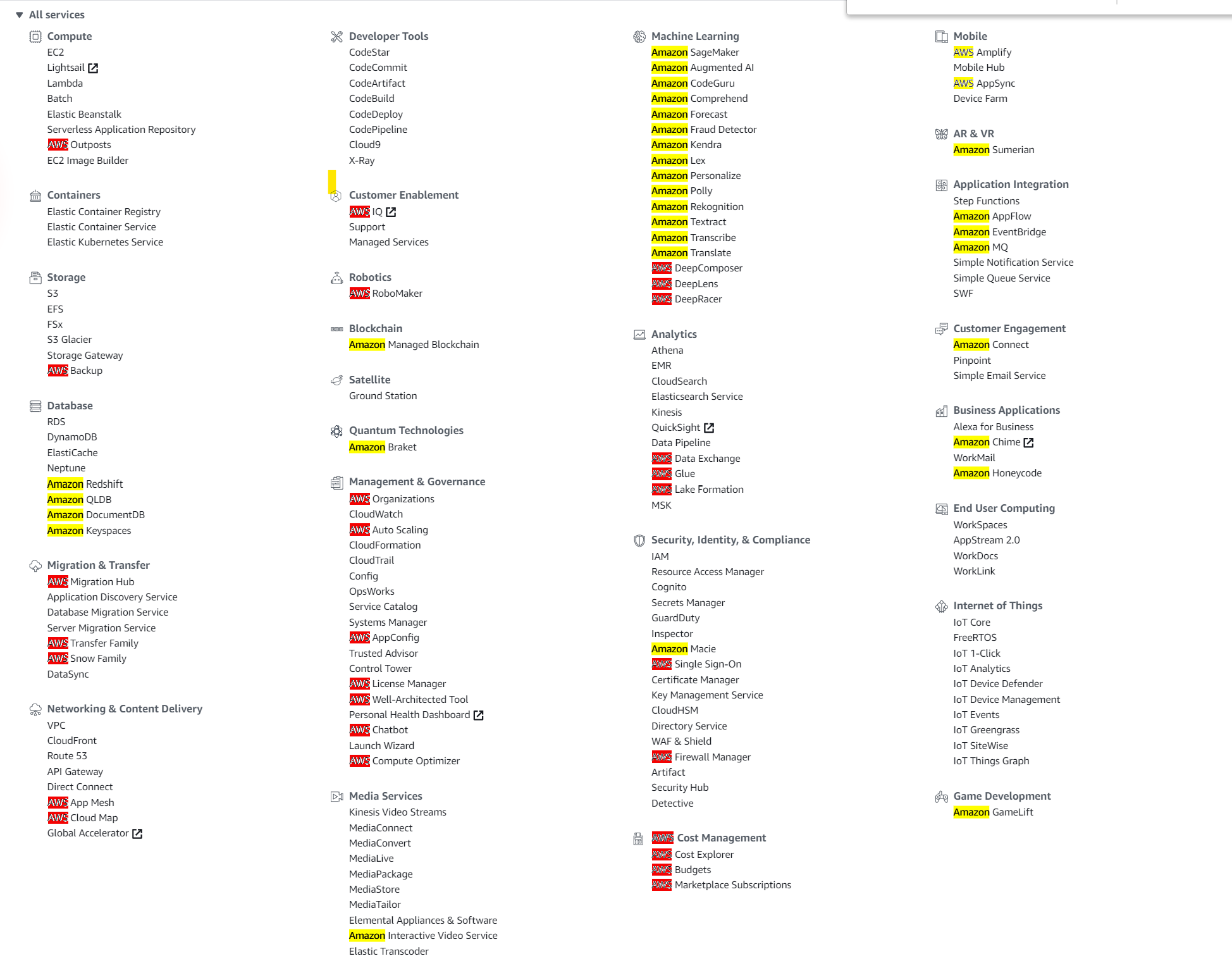
By Franck Pachot . When I’m writing about a product I like to be precise about the name, the upper and lower case, and even more: do you know that was taking special care of writing Oracle 12cR2 before then non-italic came with 18c? And that’s also the reason I’m not writing a lot about VMware as it takes me… 

What is Object Storage?

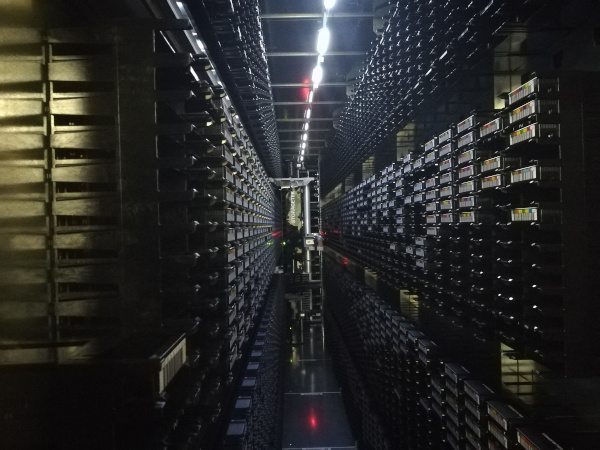
By Franck Pachot . I’ve always been working with databases. Before the cloud era, the most abstract term was “data”. A variable in memory is data. A file is data. A block of disk contains data. We often created a ‘/data’ directory to put everything that is not binaries and configuration files. I’ll always remember when I did that while… 

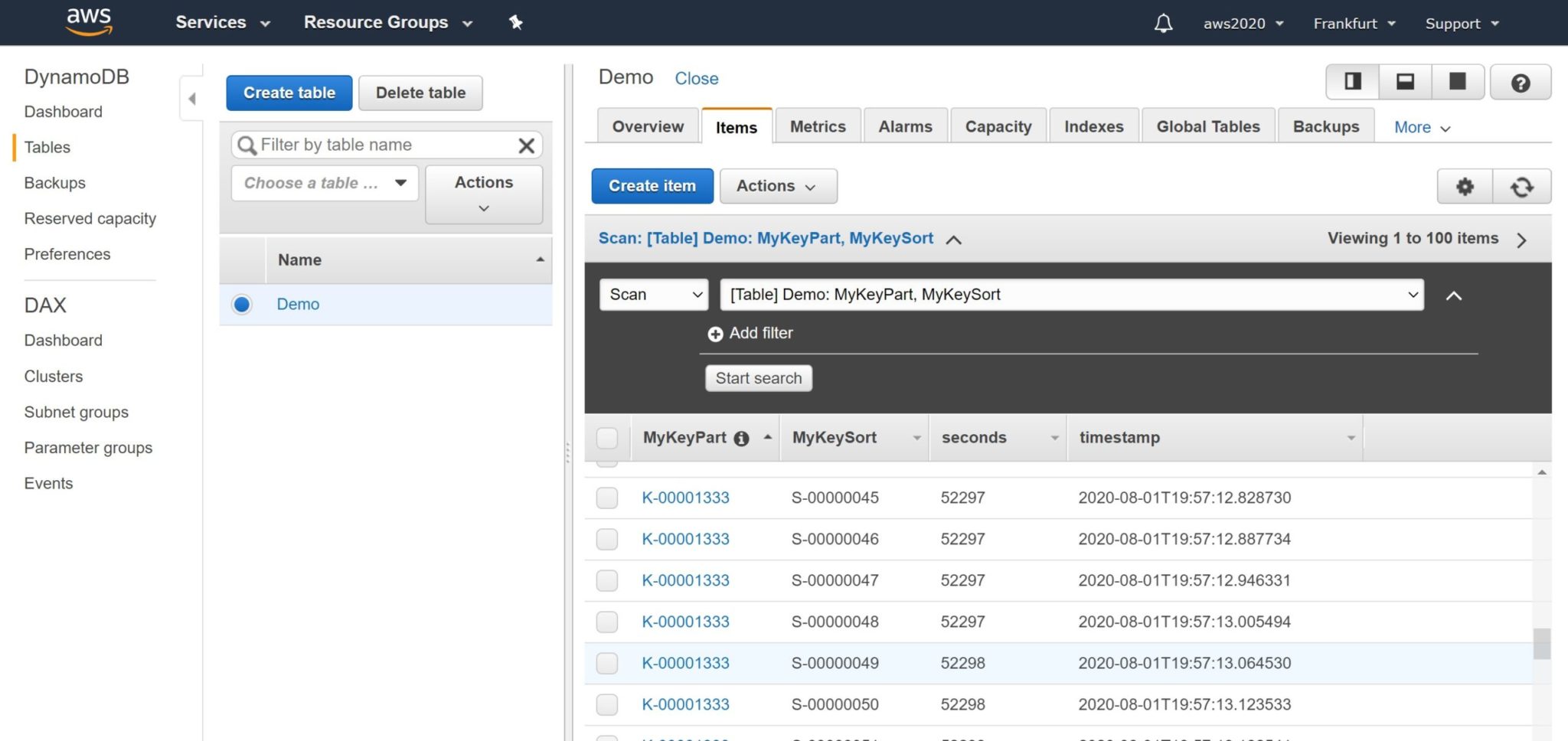
Amazon DynamoDB: a r(el)ational Glossary

By Franck Pachot . There are many NoSQL databases. And, because SQL is an ISO standard, “No SQL” also means “No Standard”. Many have a similar API and similar objects, but with completely different names. Today, NoSQL databases are used as an additional datastore for some well-defined use cases for which a hashed key-value store fits better than a relational… 

Amazon DynamoDB: the cost of indexes

By Franck Pachot . That’s common to any data structure, whether it is RDBMS or NoSQL, indexes are good to accelerate reads but slow the writes. This post explains the consequences of adding indexes in DynamoDB. Secondary Indexes What we call an index in DynamoDB is different from an index in RDBMS. They have the same goal: store your data… 

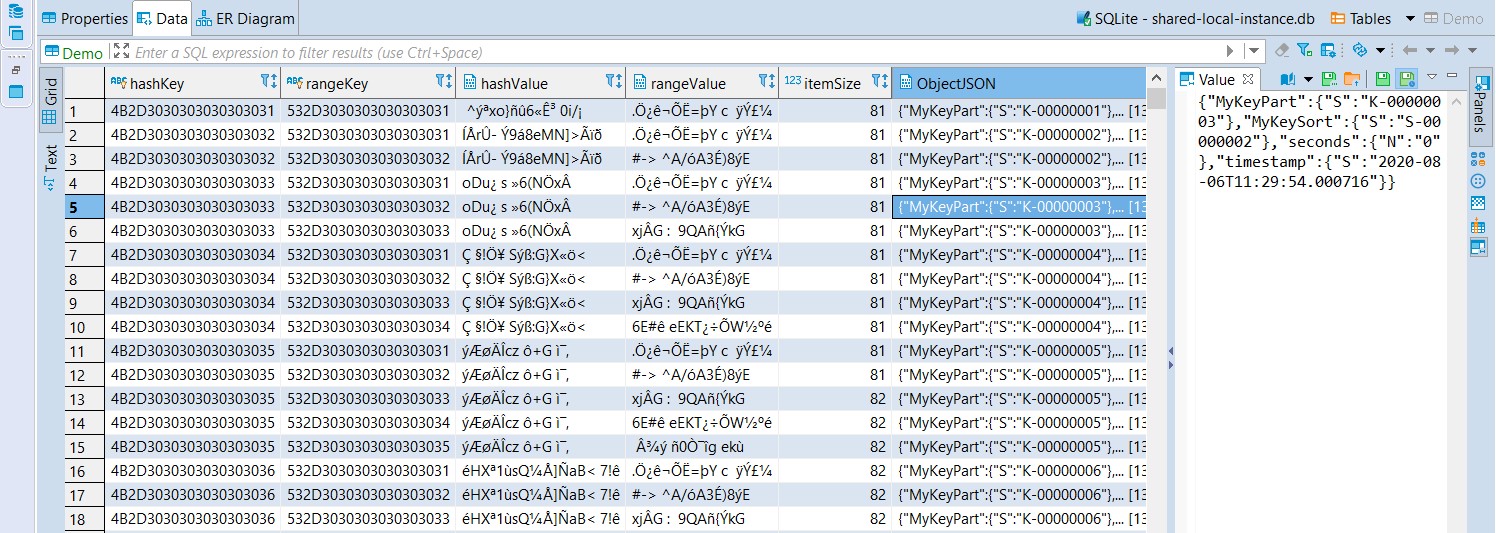
Amazon DynamoDB Local: running NoSQL on SQLite

By Franck Pachot . DynamoDB is a cloud-native, managed, key-value proprietary database designed by AWS to handle massive throughput for large volume and high concurrency with a simple API. simple API: Get, Put, Query, Scan on a table without joins, optimizer, transparent indexes,… high concurrency: queries are directed to one shard with a hash function massive throughput: you can just… 

RDBMS (vs. NoSQL) scales the algorithm before the hardware

By Franck Pachot . In The myth of NoSQL (vs. RDBMS) “joins dont scale” I explained that joins actually scale very well with an O(logN) on the input tables size, thanks to B*Tree index access, and can even be bounded by hash partitioning with local index, like in DynamoDB single-table design. Jonathan Lewis added a comment that, given the name… 

DBPod – le podcast Bases de Données

By Franck Pachot . J’essaie quelque chose de nouveau. Je publie beaucoup en anglais (blog, articles, présentations) mais cette fois quelque chose de 100% francophone. En sortant du confinement, on reprend les transports (train, voiture,…) et c’est l’occasion de se détendre en musique mais aussi de s’informer avec des podcasts. J’ai l’impression que c’est un format qui a de l’avenir:… 

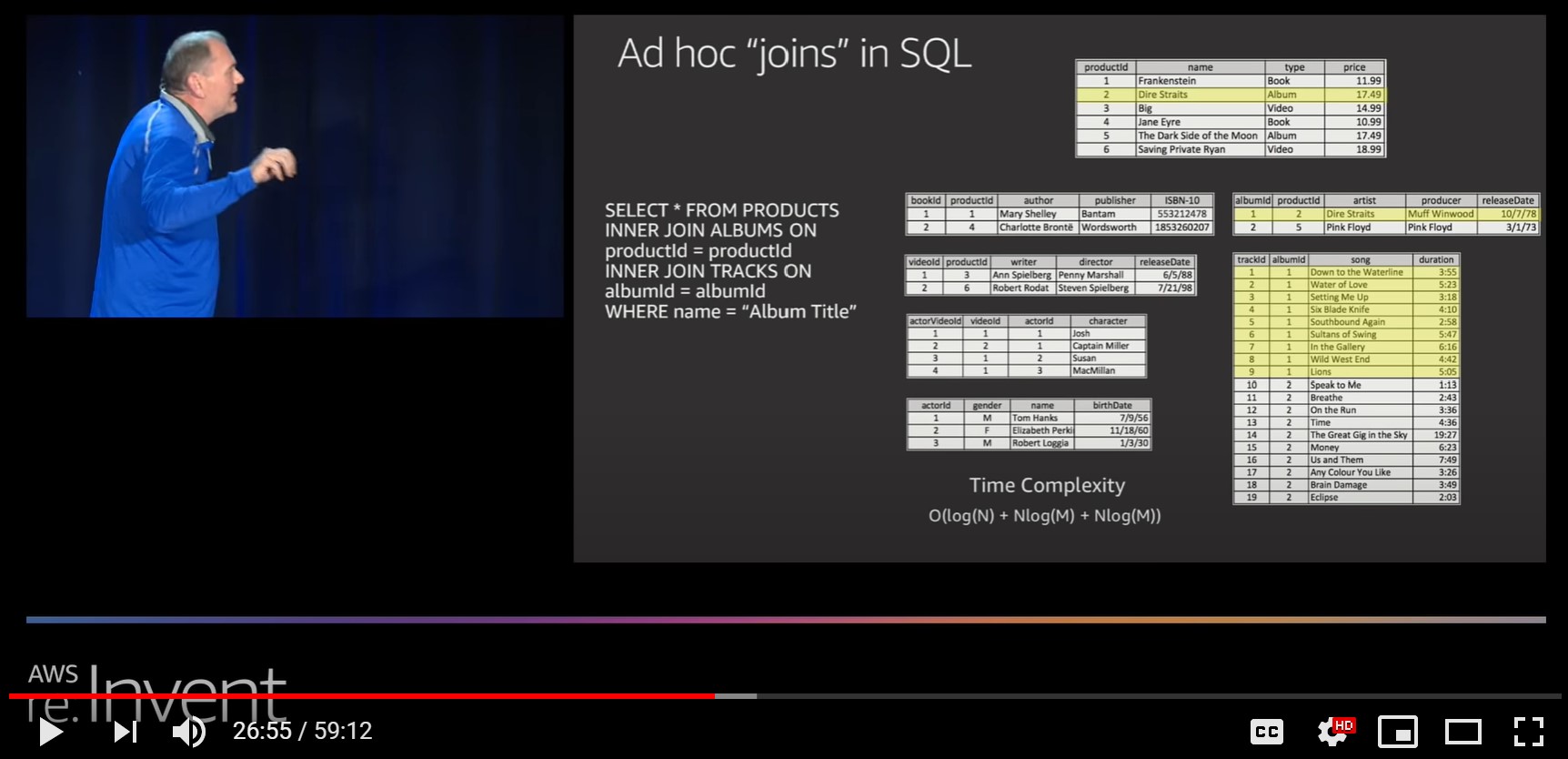
The myth of NoSQL (vs. RDBMS) “joins dont scale”

By Franck Pachot . I’ll reference Alex DeBrie article “SQL, NoSQL, and Scale: How DynamoDB scales where relational databases don’t“, especially the paragraph about “Why relational databases don’t scale”. But I want to make clear that my post here is not against this article, but against a very common myth that even precedes NoSQL databases. Actually, I’m taking this article…