Skip to content

Cloud Team

Posts published under the Cloud Team account are collective contributions by the dbi services cloud consultants. The practice supports customers on Amazon Web Services, Microsoft Azure, and Oracle Cloud Infrastructure, covering cloud architecture, database migration to managed services, infrastructure as code, and cost and license optimization, with certified architects on each platform.

22 posts since March 2020

AWS burstable EC2 and CloudWatch metrics

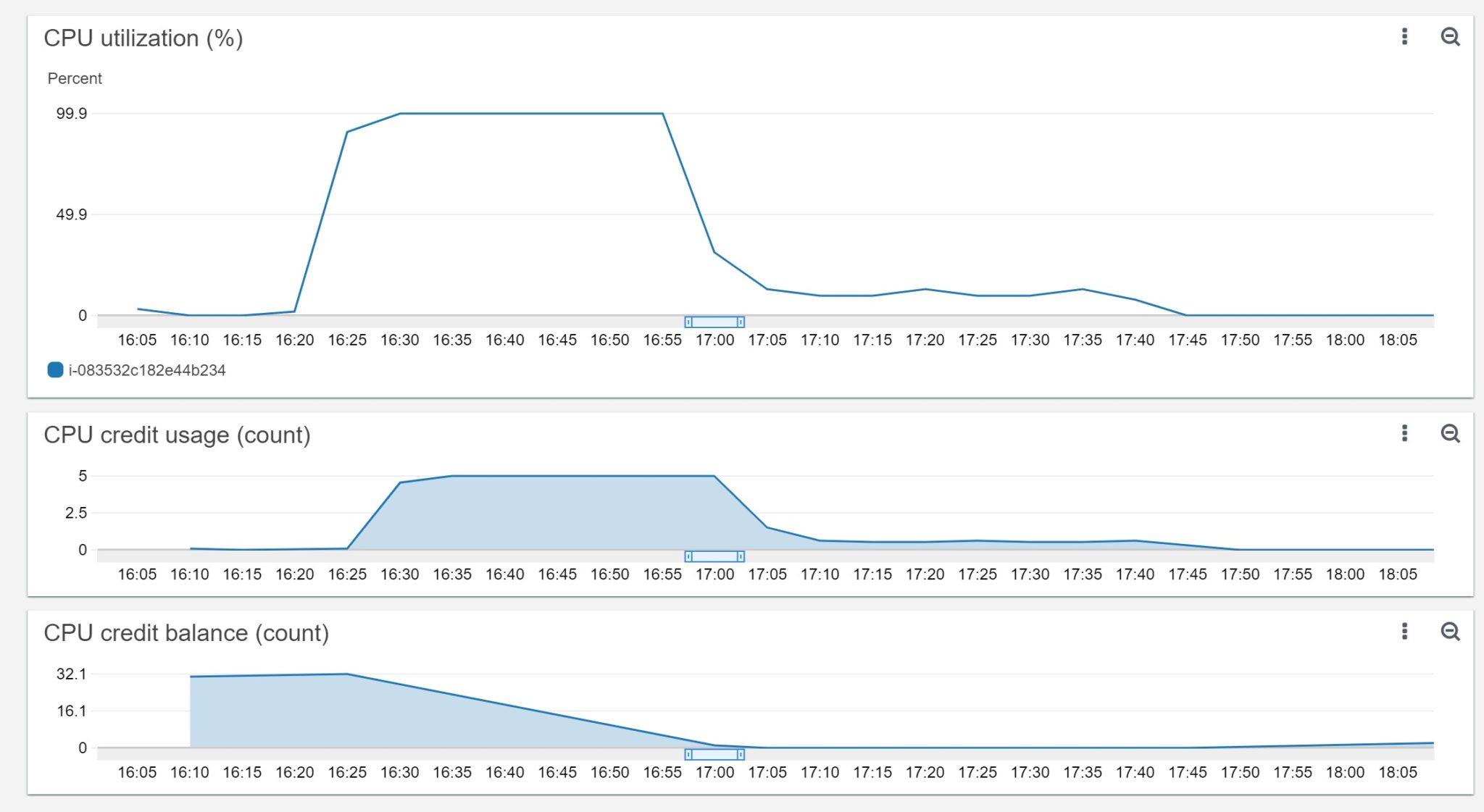
By Franck Pachot . Your application workload is usually not constant and maybe not predictable. If you undersize the capacity, you will save money but in case of peak of activity you will have severe performance issues. Thus, you need to size the capacity for peak workloads: you pay for idle CPU when out of those peaks. This is one… 
Amazon Aurora Serverless (PostgreSQL compatibility)

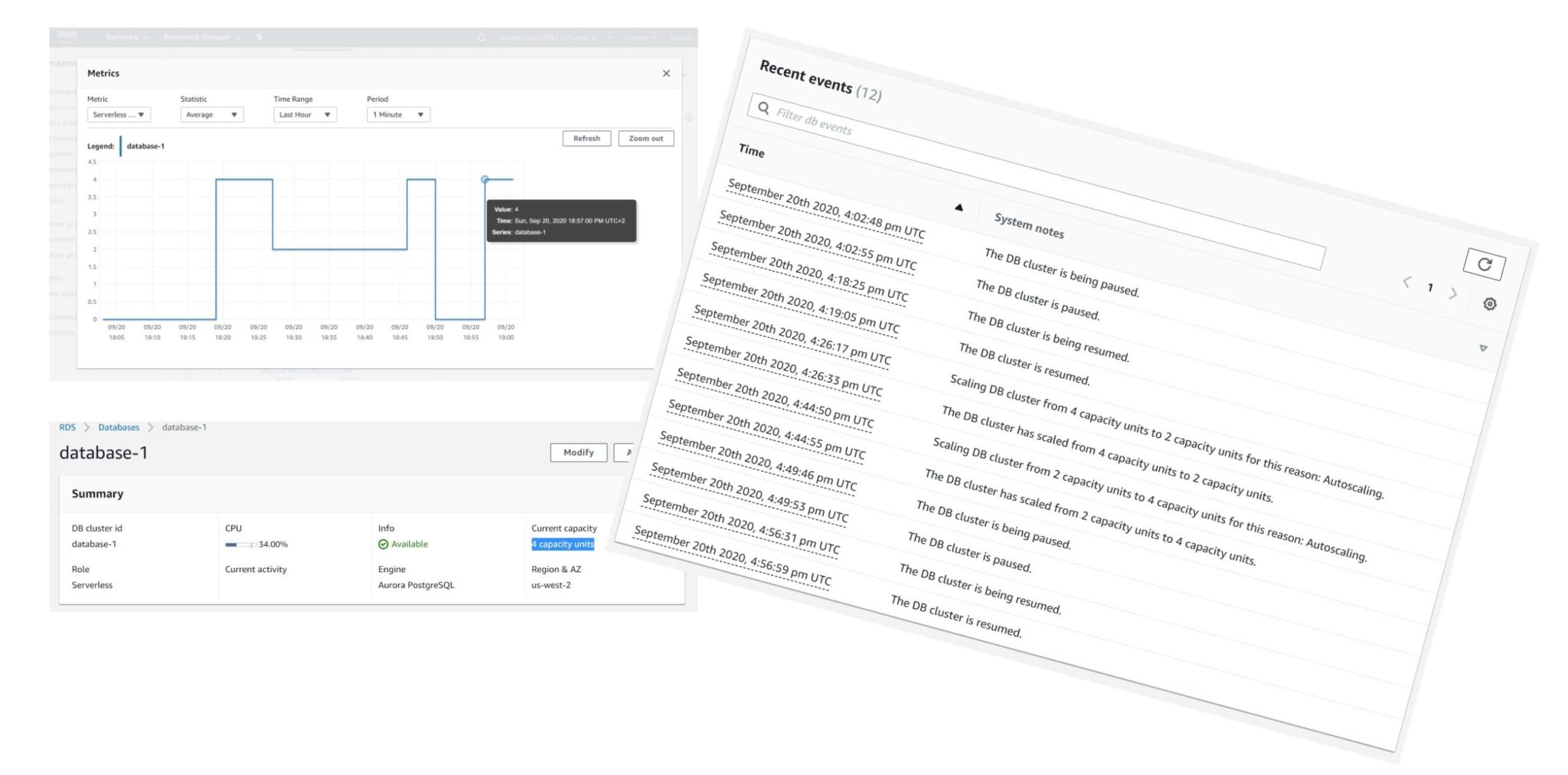
By Franck Pachot . I’ve written a blog post about serverless databases and here is an example of Amazon RDS Aurora PostgreSQL in serverless mode: When I’ve created the instance (15:55 – CloudWatch is GMT+2 but event log is UTC), it started with 0 capacity unit (18:03), which means that it was paused (you pay for storage only). Then I… 

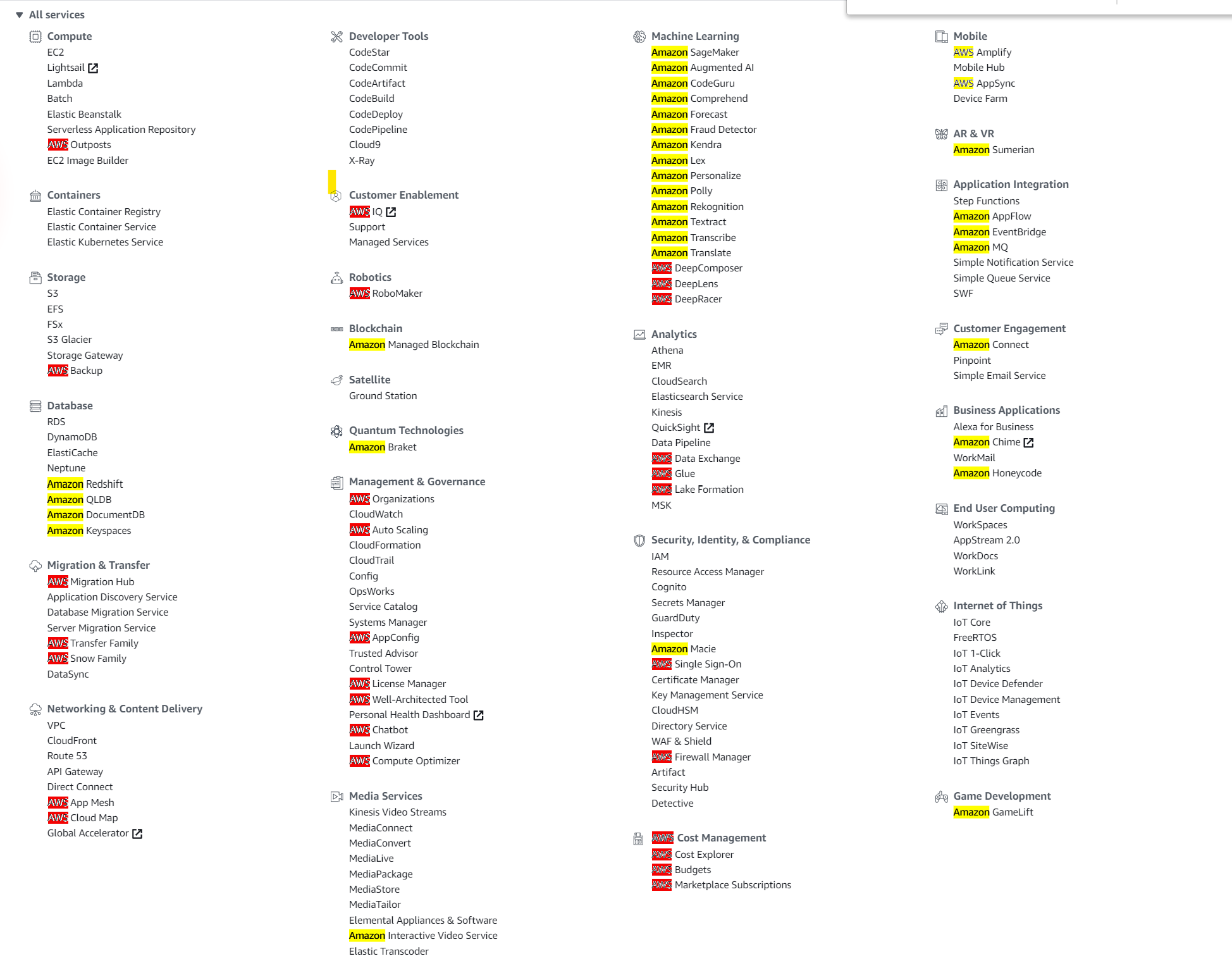
Amazon or AWS services?

By Franck Pachot . When I’m writing about a product I like to be precise about the name, the upper and lower case, and even more: do you know that was taking special care of writing Oracle 12cR2 before then non-italic came with 18c? And that’s also the reason I’m not writing a lot about VMware as it takes me… 

Amazon DynamoDB: a r(el)ational Glossary

By Franck Pachot . There are many NoSQL databases. And, because SQL is an ISO standard, “No SQL” also means “No Standard”. Many have a similar API and similar objects, but with completely different names. Today, NoSQL databases are used as an additional datastore for some well-defined use cases for which a hashed key-value store fits better than a relational… 

Data virtualization on SQL Server with Redgate SQL Clone

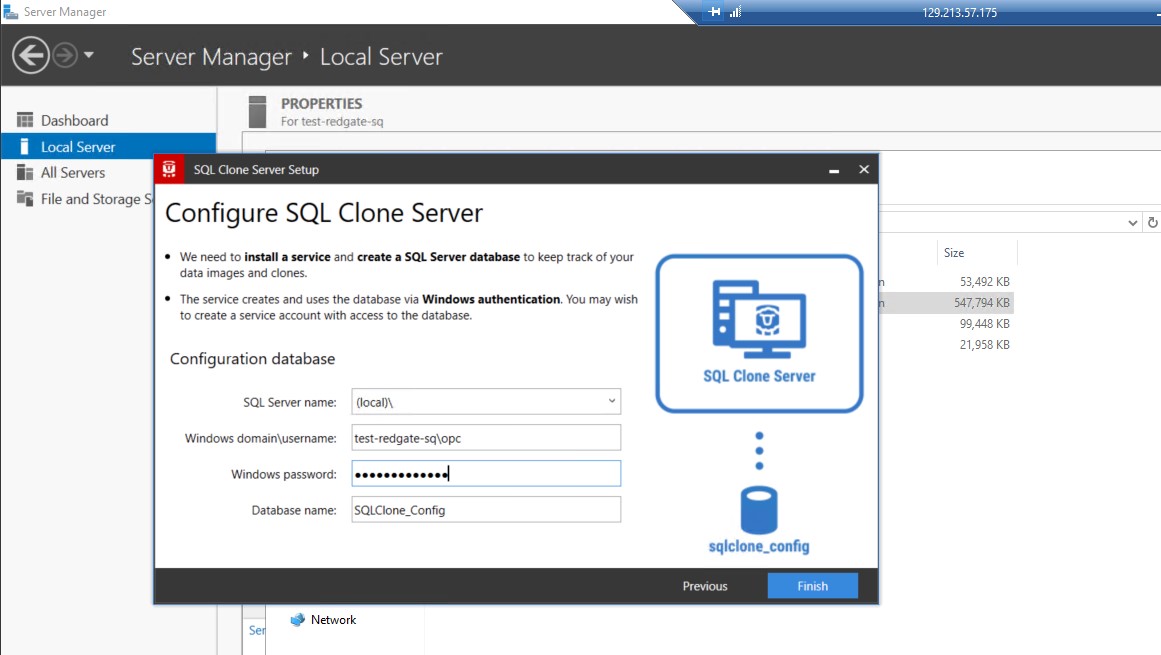
By Franck Pachot . In the previous blog post I’ve installed SQL Server on the Oracle Cloud. My goal was actually to have a look at Redgate SQL Clone, a product that automates thin cloning. The SQL Server from the Oracle marketplace is ok for SQL Clone prerequisites. There’s a little difference in .NET Framework version (I have 4.6 where… 

Amazon DynamoDB: the cost of indexes

By Franck Pachot . That’s common to any data structure, whether it is RDBMS or NoSQL, indexes are good to accelerate reads but slow the writes. This post explains the consequences of adding indexes in DynamoDB. Secondary Indexes What we call an index in DynamoDB is different from an index in RDBMS. They have the same goal: store your data… 

Amazon DynamoDB Local: running NoSQL on SQLite

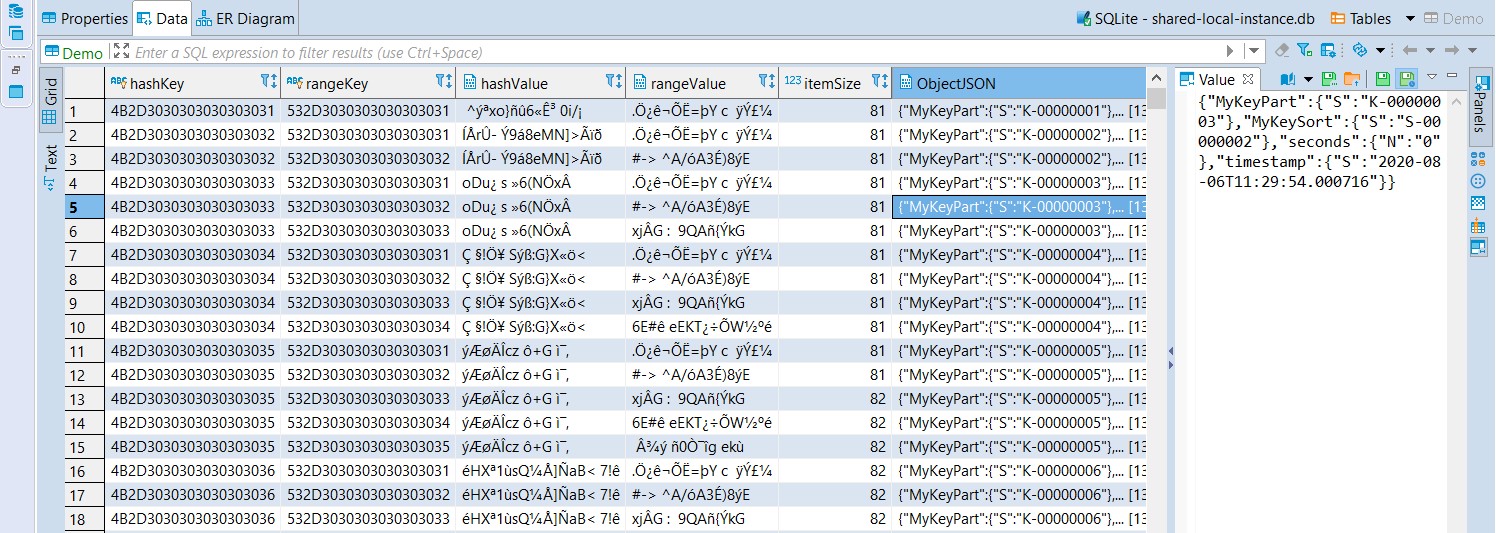
By Franck Pachot . DynamoDB is a cloud-native, managed, key-value proprietary database designed by AWS to handle massive throughput for large volume and high concurrency with a simple API. simple API: Get, Put, Query, Scan on a table without joins, optimizer, transparent indexes,… high concurrency: queries are directed to one shard with a hash function massive throughput: you can just… 

RDBMS (vs. NoSQL) scales the algorithm before the hardware

By Franck Pachot . In The myth of NoSQL (vs. RDBMS) “joins dont scale” I explained that joins actually scale very well with an O(logN) on the input tables size, thanks to B*Tree index access, and can even be bounded by hash partitioning with local index, like in DynamoDB single-table design. Jonathan Lewis added a comment that, given the name… 

DynamoDB: adding a Local covering index to reduce the cost

By Franck Pachot . This is a continuation on the previous post on DynamoDB: adding a Global Covering Index to reduce the cost. I have a DynamoDB partitioned on “MyKeyPart”,”MyKeySort” and I have many queries that retrieve a small “MyIndo001” attribute. And less frequent ones needing the large “MyData001” attribute. I have created a Global Secondary Index (GSI) that covers… 

DynamoDB: adding a Global covering index to reduce the cost

By Franck Pachot . People often think of indexes as a way to optimize row filtering (“get item” faster and cheaper). But indexes are also about columns (“attribute projection”) like some kind of vertical partitioning. In relational (“SQL”) databases we often add more columns to the indexed key. This is called “covering” or “including” indexes, to avoid reading the whole…